


Hernia Surgery in Mohali Punjab - Dr.Amit Garg
CALCULATE BMI

Hernia Surgery in Mohali Punjab – Dr. Amit Garg | Codsils

Dr Amit Garg is one of the best hernia surgeon in Mohali. He has done many fellowships in minimal access and advanced laparoscopic surgery. He has experience of more than 5000 laparoscopic surgeries, which also include many advanced and complex hernia surgeries. If you are looking for the best hernia surgeon in Mohali, DrAmit Garg is the best
What is a hernia?
A hernia is the term used to define the protrusion of structure or an organ through the muscle that contains it. This is usually seen at places where muscles are weakened due to passage of some structure through the muscles. The most common hernia of abdominal wall is inguinal hernia followed by Para umbilical hernia. Inguinal hernias are 10 times more common in males than females.

What are the common types of hernias?

Inguinal hernias

  • In males during development, testes develop inside the abdomen and descend to the scrotum via the lower abdominal wall muscles.
  • In males vas deferens passes through the inguinal canal into the scrotum. In some young patients, part of the peritoneum also reaches the testes and through this route the intestine starts protruding into the inguinal canal and this is known as Indirect inguinal hernia.

In patients with history of chronic smoking, cough, heavy weight lifting, chronic straining while micturition or defecation
May cause weakening and rupture of muscles of the posterior layer of Inguinal canal causing protrusion of contents and this type of hernia is known as direct hernia and its common in old age.

Femoral hernias are seen in the upper part of thighs and occur through an opening called Femoral canals. These hernias are rare and seen more commonly in females than males.
Ventral hernias occur through an opening in the muscles
of the anterior abdominal wall.

Keep Reading

Epigastric hernias occur above the bellybutt
Incisional hernias are caused by a weakening of the abdominal muscle resulting from an incision made during a previous abdominal surgery.
Umbilical hernias, which occur near the bellybutton, are most common in newborns, especially those born prematurely. These hernias usually close on their own by the time the child turns 4. Umbilical hernias can be more problematic when they occur in adults.
Hiatal hernias occur when the upper part of the stomach bulges into the chest through a small opening (the hiatus) in the diaphragm. The hiatus allows the esophagus, which carries food from the mouth to the stomach, to pass through the diaphragm.

Dr Amit Garg

Minimal Access Bariatric

Metabolic & GI Surgeon

HERNIA SURGERY

Make An Appointment

Call:6283337650

OR
    Name (required)

    Email Id (required)

    Phone Number (required)

    City

    Message for the Doctor (If Any)

    Candidate Criteria for Gastric Bypass Surgery

    Ideal candidates for gastric bypass surgery in Punjab include individuals with a BMI greater than 40 kg/m² or a BMI ranging from 35 to 39.9 kg/m² with serious obesity-related health problems such as type 2 diabetes, hypertension, or severe sleep apnea.

    Bariatric surgery is now covered by  health insurance companies in India from October 2020, making it accessible to more individuals seeking treatment for obesity and related health issues.

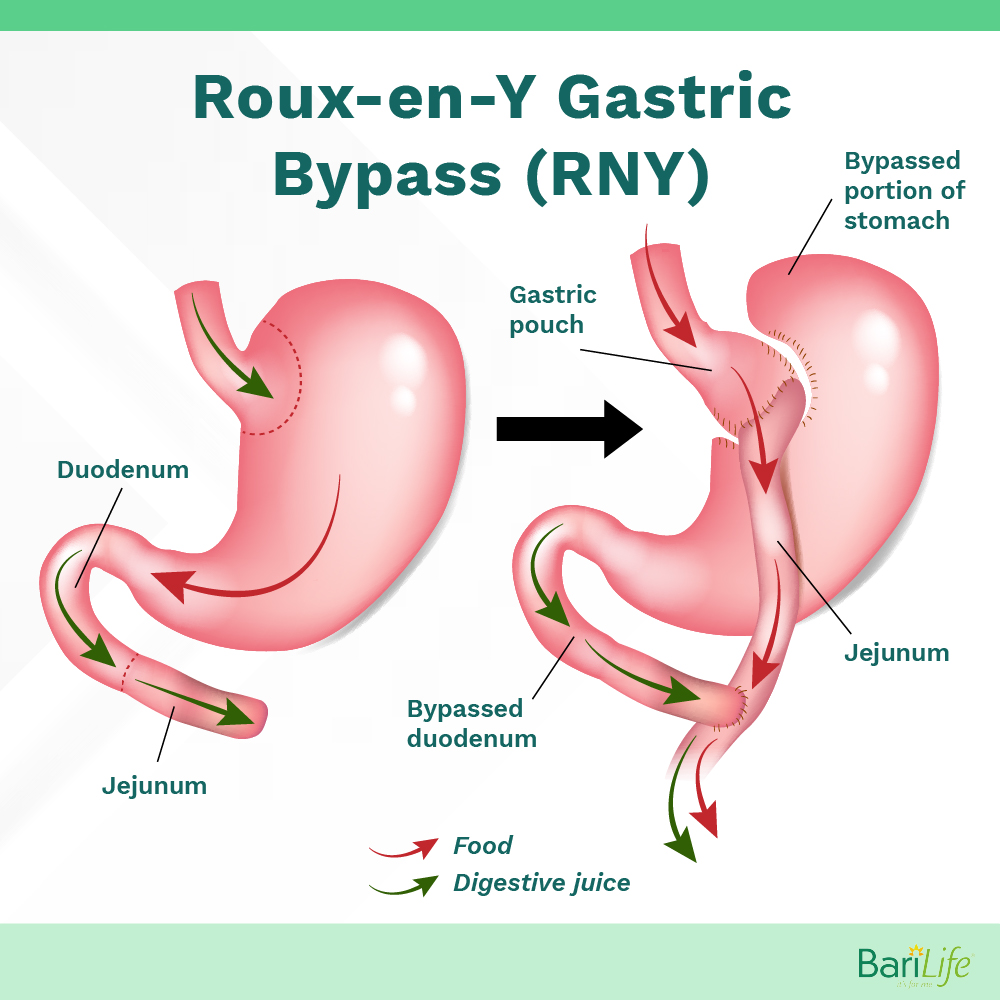
    Procedure Details and Recovery after Roux-en-Y or Gastric Bypass Surgery

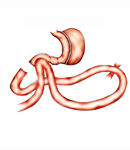
    LRYGB is performed laparoscopically under general anesthesia, with an approximate duration of 2 hours. Patients with BMI > 50 might require a pre surgery liquid diet in order to reduce the size of the left lobe of liver. For super obese patients, LRYGB might be difficult to perform and in these patients RYGB is done as a staged procedure. In the first stage gastric sleeve is done so that patients can lose 30-40 kgs of excess weight and then after 6 months gastric sleeve is converted into a gastric bypass so that patient can reach ideal weight.

    Keep Reading

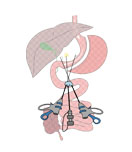
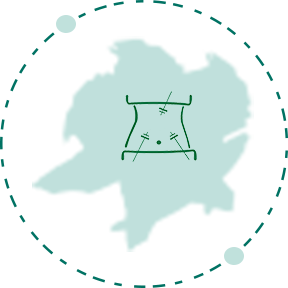
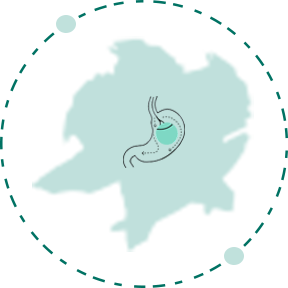
    During LRYGB, after port placements, the liver is retracted using Nathansons liver retractor. Lesser sac is opened at the level of the 2nd vessel on lesser curvature. Horizontal and then vertical staplers are fired in order to create a small stomach pouch of 30 cc. Ligament of Treitz is identified and 100 cm of small intestine is bypassed and connected to small stomach pouch . The intestine is divided using staplers proximal to the anastomosis and again connected to the distal intestine 100cm from gastrojejunostomy. Inter-mesenteric defect is closed and Petersons defect is closed to prevent formation of internal hernias using non absorbable sutures. A methylene blue dye leak test is done to check for leaks from Gastrojejunostomy. After achieving hemostasis, ports are closed.

    Possible Risks and Complications of Gastric Bypass Surgery in Punjab

    Like any abdominal surgery, LRYGB carries risks such as excessive bleeding, infection, leakage, bowel obstruction, dumping syndrome, gallstones, hernia, and malnutrition. However, with proper preoperative evaluation and postoperative care, these risks can be minimized, and patients can experience significant improvements in obesity-related conditions like gastroesophageal reflux disease, heart disease, hypertension, obstructive sleep apnea, and infertility.

    Gastric bypass for Type 2 diabetes / metabolic surgery for type 2 diabetes / Diabetes surgery in Punjab

    Gastric bypass was earlier done to treat Obesity but over the years, studies have shown diabetes remission of 83% in patients who have undergone gastric bypass surgery. Recently, Gastric bypass has regained popularity to treat type 2 diabetes in non-obese patients. It is recommended for patients with BMI > 27.5Kg/m2 as the second line of treatment. In a modified RYGB to treat Type 2 diabetes, biliopancreatic limb is kept 150cm in spite of 100 cm and alimentary limb is kept 100cm.

    Keep Reading

    LRYGB has shown better results in diabetes remission as compared to mini gastric bypass and sleeve gastrectomy. In a comparative study with Loop duodenojejunal bypass (LDJB), LDJB has shown diabetes remission of 94%. RYGB is going to be the best procedure for patients with Type 2 diabetes.

    Conclusion

    Laparoscopic Roux-en-Y Gastric Bypass in Punjab, India, offers a gold standard surgical option for achieving substantial and long-term weight loss in eligible patients. With the expertise of Dr. Amit Garg and advancements in bariatric surgery, individuals can achieve improved health and quality of life through sustainable weight management.

    Frequently Asked Questions

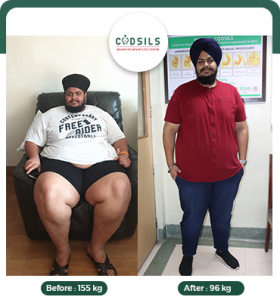
    before image
    What are some hernia symptoms?

    A common symptom of most hernias is a noticeable lump or bulge, and potentially some discomfort or pain. The lump or bulge may not always be present; for example, it might go away when you lie down. Symptoms may worsen when you are standing, straining, or lifting heavy objects. Most hernias can be confirmed by a doctor during a physical exam, but sometimes imaging is necessary.
    Hiatal hernia symptoms are an exception to the general rule, as they do not cause a bulge. But hiatal hernias may cause symptoms such as heartburn, acid reflux, and regurgitation of food or liquids, which are often treated with medication.

    What are the options for hernia surgery?

    Hiatal hernia symptoms can often be treated with medication, but most other types of hernias require surgical repair, although not always immediately. There are two primary options
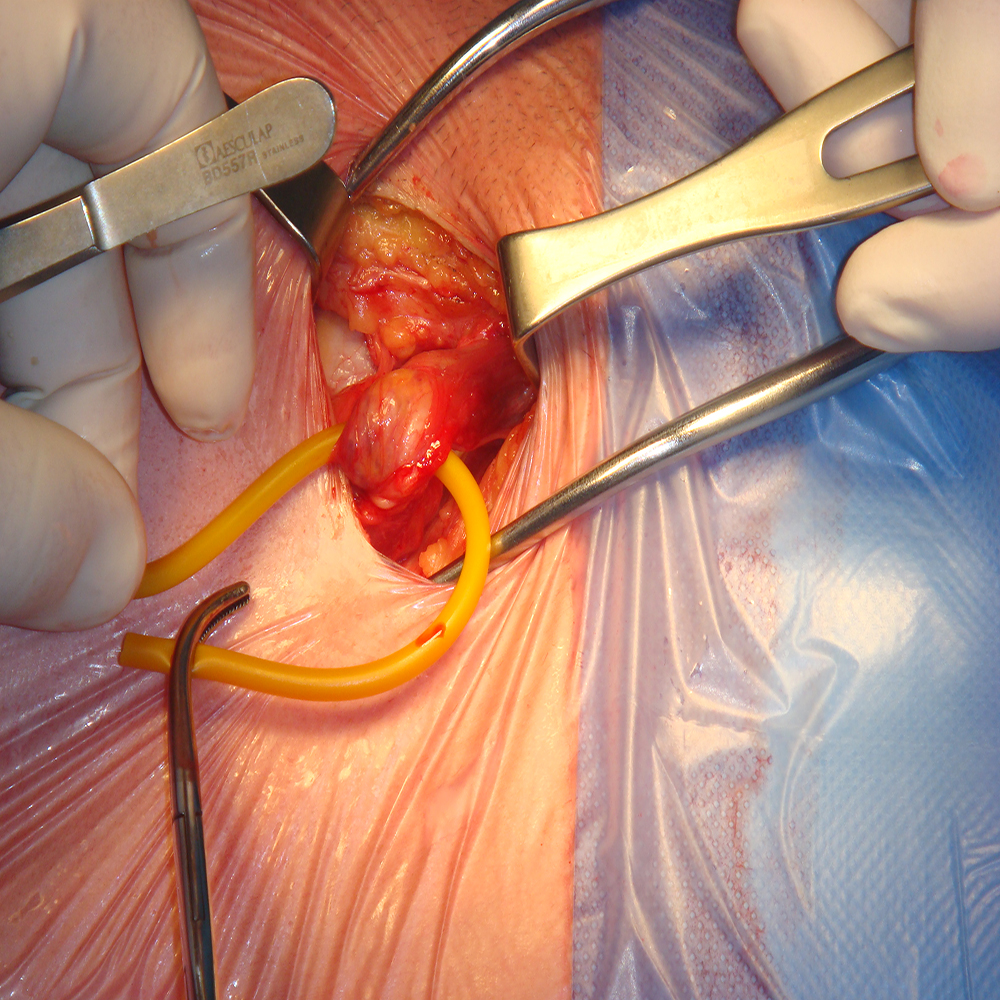
    Open hernia surgery. The surgeon makes a cut in the groin to view and repair the hernia. After repairing the hernia, the surgeon uses stitches alone or stitches and a piece of mesh to close the abdominal wall. The mesh is designed to strengthen the weak area of the abdominal wall where the hernia occurred.
    Laparoscopic hernia surgery. The surgeon makes several small cuts in the lower abdomen and inserts special tools to view and repair the hernia. The surgeon typically uses a piece of mesh to close and strengthen the abdominal wall. There are some surgeons who opt for robotic repair, which means they sit at a console controlling robotic arms that perform the surgery.
    While the use of mesh is predominant and has been shown to help prevent the recurrence of hernias, it also has potential complications, including a risk of chronic pain.
    “Despite reduced rates of recurrence, there are situations where the use of surgical mesh for hernia repair may not be recommended,” the FDA advises. “Patients should talk to their surgeons about their specific circumstances and their best options and alternatives for hernia repair.”

    What are the alternatives to surgery?

    “Watchful waiting” is considered a potential alternative to surgery when a hernia is causing minimal or no symptoms. People who delay surgery, especially men with an inguinal hernia, should watch for symptoms and see a doctor regularly.
    About 70% of men with an inguinal hernia who delay surgery will develop new or worsening symptoms and will need surgery within five years, according to the National Institute of Diabetes and Digestive and Kidney Diseases. One risk of waiting too long is that a larger hernia is more difficult to repair.

    When might I need emergency surgery?

    Seek immediate medical attention if there are signs that your hernia has become stuck or strangulated, which can be life-threatening and usually requires emergency surgery. Signs of this condition include:
    A hernia bulge that is suddenly larger than before. A hernia bulge that used to go back inside the abdomen but no longer does

    • Fever
    • Redness in the area of the hernia
    • Sudden or severe pain or tenderness in the area of the hernia
    • Symptoms of intestinal obstruction, such as abdominal pain, bloating, nausea, and vomiting
    What type of anesthesia should I receive for surgery?

    Several anesthesia options may be discussed with your anesthesiologist, a medical doctor who specializes in anesthesia, pain management, and critical care medicine:

    • Local anesthesia with sedation, also referred to as local with monitored anesthesia care, or MAC. This is the most frequently used option. Local anesthesia is usually administered as a one-time injection of medicine that numbs a small area of the body. Sedation relaxes you and is usually administered and adjusted through an IV placed in your arm. The level of sedation can range from minimal (you’ll feel drowsy but able to talk) to deep (you probably won’t remember the procedure).
    • Nerve block and sedation. This might be used for inguinal or femoral surgeries, especially if the patient has severe heart or lung disease that precludes the use of general anesthesia. Nerve blocks involve the injection of an anesthetic into specific nerves to block pain signals.
    • Spinal block and sedation. This less frequently used option numbs the body from the waist down. The medication for the spinal block is injected through a needle inserted in the lower back into the spinal canal.
    • General anesthesia. This type of anesthetic renders you completely unconscious. It also impairs your breathing, so a breathing tube, ventilator, and inhalation anesthetic are used.

    Read more...


    Discuss the options with the anesthesiologist assigned to your surgery. Anesthesiologists are experts in determining the safest and most effective anesthesia for a particular patient. Although they consider surgeon and patient anesthesia preferences, the type and size of the hernia could preclude some options. For example, general anesthesia is required if the surgeon needs to use a scope during the surgery or if the hernia is particularly large.
    The anesthesiologist should ask you about your prior experience with anesthesia and about any anesthesia reactions among your family members, going back multiple generations if possible. You should also be asked about your current health and your health history, including any chronic pain that could make it difficult for you to remain comfortable under sedation instead of general anesthesia.
    Let the anesthesiologist know if you use marijuana, CBD products, or other substances, as these can affect the type and amount of anesthesia you can safely receive. You may also be advised to temporarily stop using CBD in the days leading up to and after surgery because of its potential to increase the risk of bleeding.

    Less

    How can I reduce and manage pain after hernia surgery?

    Hernia surgeries typically do not cause a high level of postoperative pain, and most pain can be managed with medications such as acetaminophen (Tylenol or other brands) and ibuprofen (Motrin, Advil, etc.). These pain relievers can be supplemented with opioids, although this often is not necessary.
    Limiting the use of opioids helps avoid negative side effects, including problems urinating after hernia surgery, which have been known to occur in a minority of patients after inguinal hernia repair. Postoperative urinary retention occurs most often in people over age 50, especially males. Taking medications as directed prior to surgery, including medicines for benign prostatic hyperplasia, which is caused by enlargement of the prostate, also helps prevent postoperative urinary retention.
    Under medical direction, measures might also be taken before surgery to limit postoperative pain and nausea, such as taking acetaminophen for pain and a small dose of promethazine to prevent nausea. Consult your anesthesiologist about whether these are appropriate options for you.

    How soon can I resume normal activities after hernia surgery?

    Your surgeon will provide you with a specific plan but may not be able to give you an exact time frame in advance. Doctors usually cannot fully diagnose the severity of a hernia until they perform the surgery.
    Hernia procedures are usually outpatient surgeries. In general, the sooner you can start moving afterward, the better. This movement helps prevent constipation and blood clots. Be sure to adhere to the doctor’s instructions about what you can lift, how to lift, and how long to remain on any restrictions; some may be permanent.

    Can hernia surgery result in chronic pain?

    Chronic pain affects about 10% of inguinal hernia patients after surgery, according to the International Guidelines for Groin Hernia Management. The guidelines define chronic pain as bothersome moderate pain impacting daily activities for at least three months.
    The guidelines also indicate that chronic pain is a higher risk for patients who are young or female, experience high preoperative or high early postoperative pain, have a recurrent hernia, or undergo open repair. Mesh can also cause or contribute to chronic pain. Studies indicate that the risk of chronic pain is less with laparoscopic repair than with open repair, but the type and size of the hernia sometimes preclude the laparoscopic option.
    If you suffer from chronic pain, consult with a pain management specialist to consider options such as medication and nerve blocks. Many anesthesiologists are pain management specialists.

    Highlights – Gastric Bypass Surgery /weight loss surgery in Punjab, India

        • Highlights – Gastric Bypass Surgery /weight loss surgery in Punjab, India
        • The approximate duration of the surgery is 2 hours, and patients are encouraged to walk on the same day of the procedure
        • It is a potent surgical intervention for addressing obesity and type 2 diabetes.
        • Globally recognized as the gold standard procedure for weight loss.
        • The majority of patients are discharged on the third day post Roux-en-Y Gastric Bypass (RYGB) surgery.
        • Liquid diet initiation occurs shortly after the completion of gastric bypass surgery.
        • Lifelong supplementation of multivitamins, iron, and calcium is essential following Gastric Bypass.
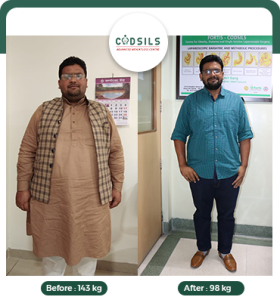
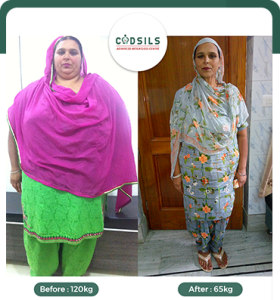
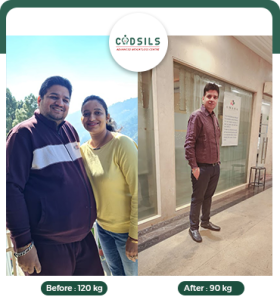
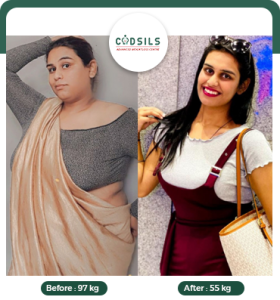
        • Expect around 70% excess weight loss within one year, with long-term efficacy.
        • Expect around 70% excess weight loss within one year, with long-term efficacy.
        • It may lead to improvement or resolution of conditions commonly associated with obesity, including Gastroesophageal reflux disease, heart disease, high blood pressure, obstructive sleep apnea, and infertility.

    Dr. Amit Garg is recognized as the best surgeon for Gastric Bypass surgery / weight loss surgery in Punjab, providing comprehensive care and long-term support to patients on their weight loss journey. He has extensive experience in performing various bariatric or metabolic surgery procedures and has more than 2000+ successful cases to his credit.

    Laparoscopic Bariatric & Metabolic Procedures
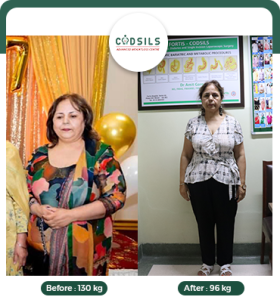
    before image

    Bariatric surgery is scientifically proven procedure that aims to help individuals with obesity achieve
    significant and sustainable weight loss by altering the digestive system. There are several types of
    bariatric procedures, each with its own approach and mechanism of action

    Roux-en-Y Gastric Bypass

    Roux-en-Y Gastric Bypass

    Read More

    Mini Gastric Bypass

    Mini Gastric Bypass

    Read More

    Sleeve Gastrectomy

    Sleeve Gastrectomy

    Read More

    Sleeve Gastrectomy with Proximal Jejunal Bypass

    Sleeve Gastrectomy with Proximal Jejunal Bypass

    Read More

    Loop Duodeno Jejunal with Sleeve Gastrectomy

    Loop Duodeno Jejunal with Sleeve Gastrectomy

    Read More

    Single Incision (Zero Scar) Bariatric Surgery

    Single Incision
    (Zero Scar)
    Bariatric Surgery

    Read More

    Fill our health questionnaire and find out if you are eligible for bariatric surgery

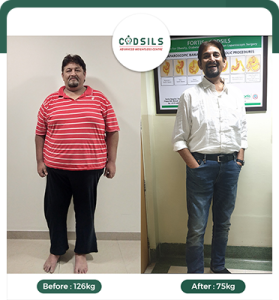
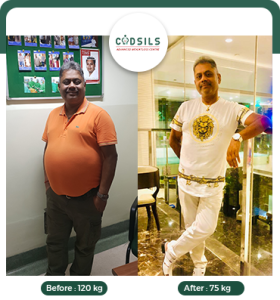
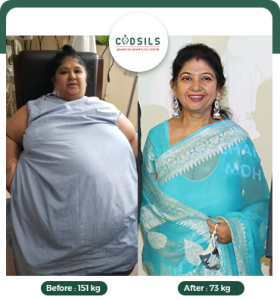
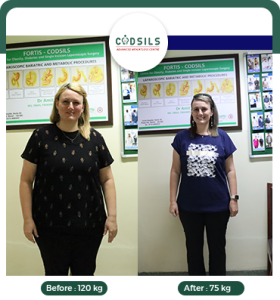
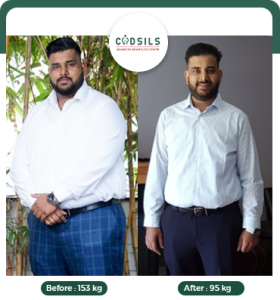
    Bariatric Surgery Results
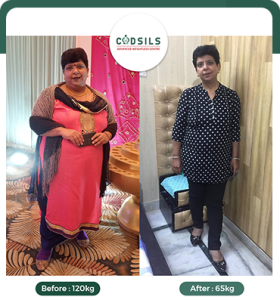
    before image
    3000+

    Bariatric Surgery

    2000+

    Metabolic Surgeries

    10000+

    Laparoscopic GI Surgeries
    Our Patient’s Testimonials

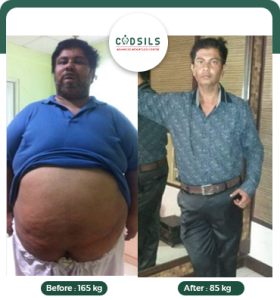
    before image

    Latest News

    before image

    Latest Events

    before image
    Translate »
    WhatsApp chat