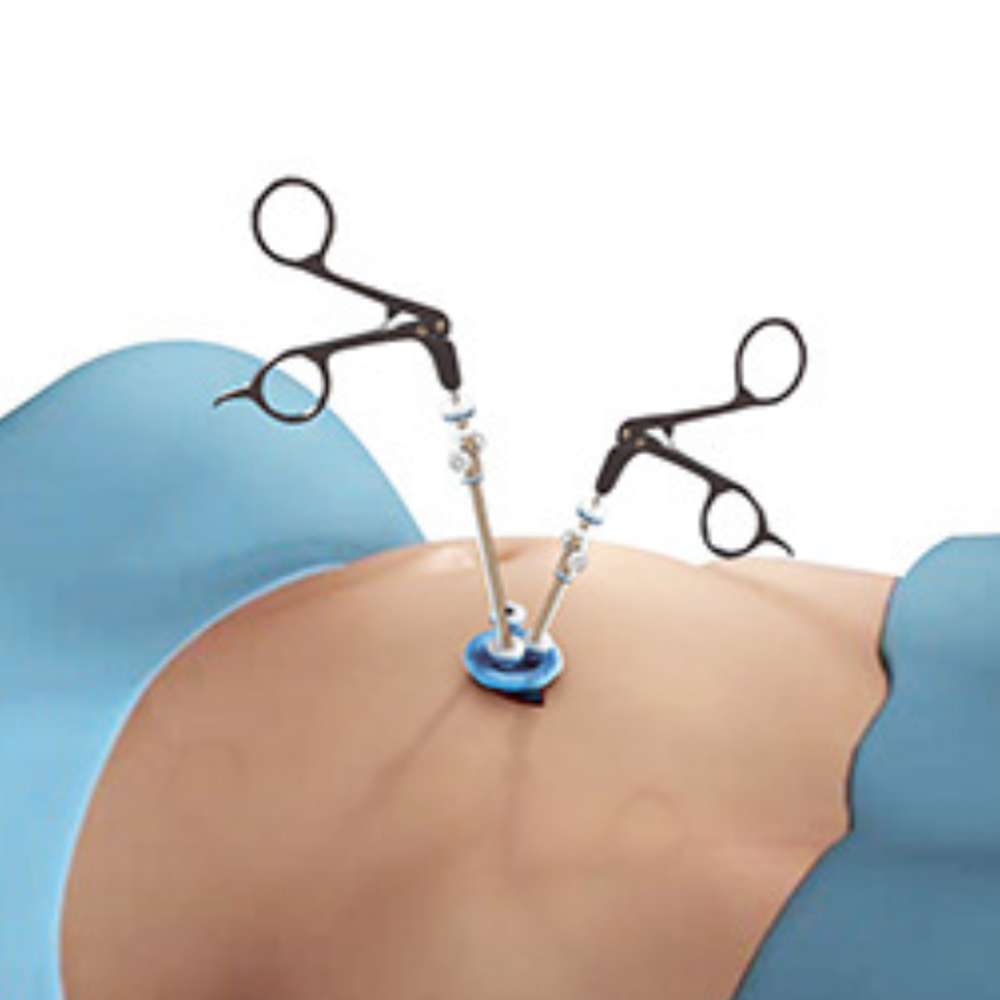
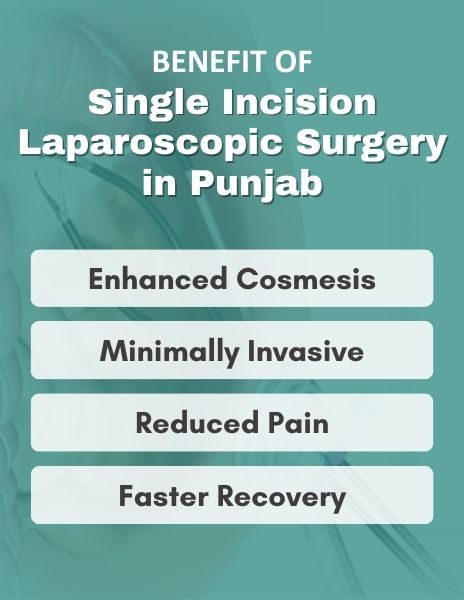
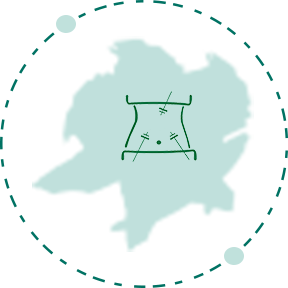
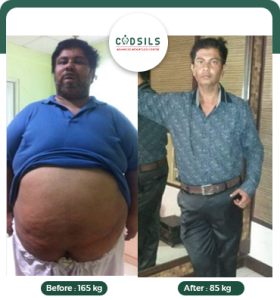
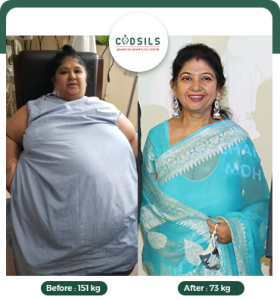
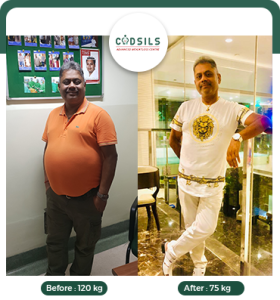
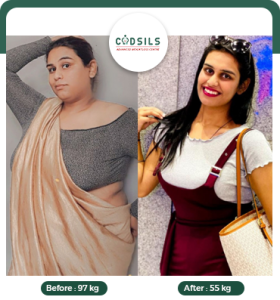
Today, laparoscopic surgery is the gold standard for many surgical procedures. It has many advantages over open surgery. Convential laparoscopy includes 4 – 5 small, 5-10mm incisions. Single incision laparoscopic surgery (SILS) in Punjab is a recent advancement of laparoscopy in which entire surgical procedure is performed through a single port rather than 5 conventional ports used in laparoscopy. This Single port is usually inserted through he umbilicus to have better cosmesis. It is also known as zero scar bariatric surgery as in most of the cases scar is inside the belly button and is not visible. Single incision laparoscopic surgery in Punjab is a rapidly developing future of laparoscopic surgery.
SILS is similar to conventional laparoscopy in all aspects but it requires a very high level of expertise to perform the procedure because of collision of instruments through single port. Dr Amit Garg is among the few surgeon in India who has vast experience of SILS and SILS bariatric surgery. Dr. Amit Garg started his own department in the name of CODSILS in 2014 where general and bariatric procedures are performed laparoscopically.
In 1997, SILS cholecystectomy was first started. Today, not only gall bladder but other procedures like Hysterectomy, appendectomy, hernia, tubal ligation, ovarian cystectomy and Bariatric surgery are performed through single incision.
Minimal Access Bariatric
Metabolic & GI Surgeon

OR

Ideal candidates for gastric bypass surgery in Punjab include individuals with a BMI greater than 40 kg/m² or a BMI ranging from 35 to 39.9 kg/m² with serious obesity-related health problems such as type 2 diabetes, hypertension, or severe sleep apnea.
Bariatric surgery is now covered by health insurance companies in India from October 2020, making it accessible to more individuals seeking treatment for obesity and related health issues.
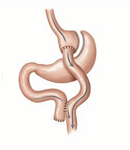
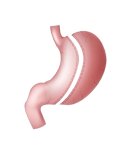
LRYGB is performed laparoscopically under general anesthesia, with an approximate duration of 2 hours. Patients with BMI > 50 might require a pre surgery liquid diet in order to reduce the size of the left lobe of liver. For super obese patients, LRYGB might be difficult to perform and in these patients RYGB is done as a staged procedure. In the first stage gastric sleeve is done so that patients can lose 30-40 kgs of excess weight and then after 6 months gastric sleeve is converted into a gastric bypass so that patient can reach ideal weight.
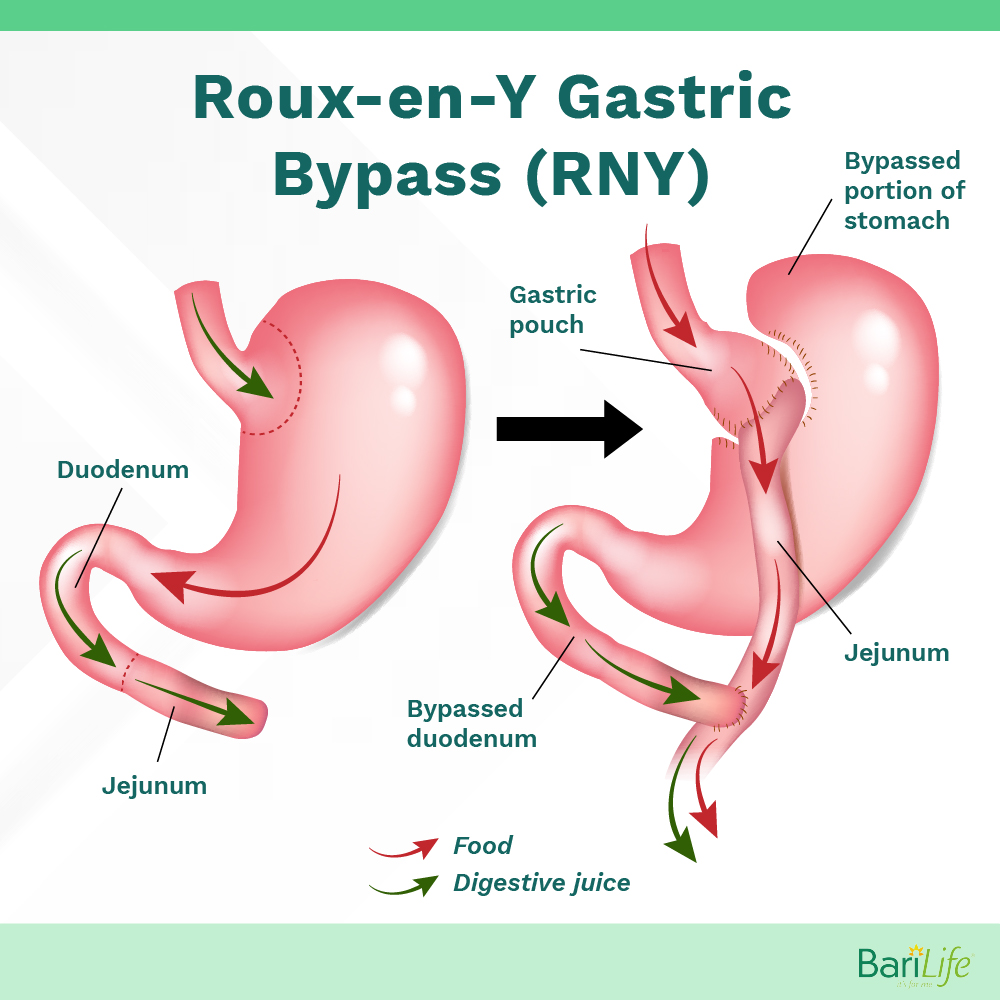
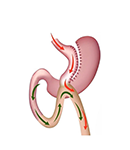
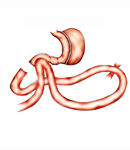
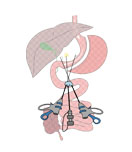
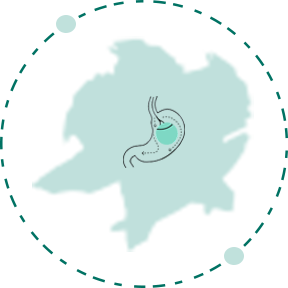
During LRYGB, after port placements, the liver is retracted using Nathansons liver retractor. Lesser sac is opened at the level of the 2nd vessel on lesser curvature. Horizontal and then vertical staplers are fired in order to create a small stomach pouch of 30 cc. Ligament of Treitz is identified and 100 cm of small intestine is bypassed and connected to small stomach pouch . The intestine is divided using staplers proximal to the anastomosis and again connected to the distal intestine 100cm from gastrojejunostomy. Inter-mesenteric defect is closed and Petersons defect is closed to prevent formation of internal hernias using non absorbable sutures. A methylene blue dye leak test is done to check for leaks from Gastrojejunostomy. After achieving hemostasis, ports are closed.
Like any abdominal surgery, LRYGB carries risks such as excessive bleeding, infection, leakage, bowel obstruction, dumping syndrome, gallstones, hernia, and malnutrition. However, with proper preoperative evaluation and postoperative care, these risks can be minimized, and patients can experience significant improvements in obesity-related conditions like gastroesophageal reflux disease, heart disease, hypertension, obstructive sleep apnea, and infertility.
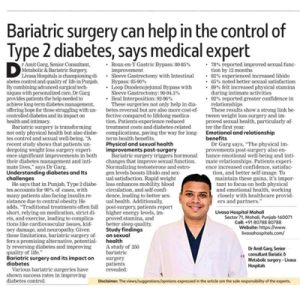
Gastric bypass was earlier done to treat Obesity but over the years, studies have shown diabetes remission of 83% in patients who have undergone gastric bypass surgery. Recently, Gastric bypass has regained popularity to treat type 2 diabetes in non-obese patients. It is recommended for patients with BMI > 27.5Kg/m2 as the second line of treatment. In a modified RYGB to treat Type 2 diabetes, biliopancreatic limb is kept 150cm in spite of 100 cm and alimentary limb is kept 100cm.
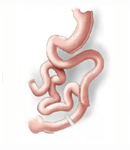
LRYGB has shown better results in diabetes remission as compared to mini gastric bypass and sleeve gastrectomy. In a comparative study with Loop duodenojejunal bypass (LDJB), LDJB has shown diabetes remission of 94%. RYGB is going to be the best procedure for patients with Type 2 diabetes.
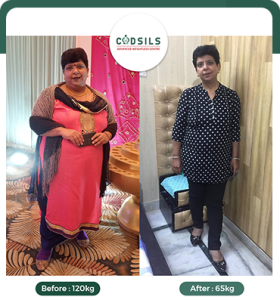
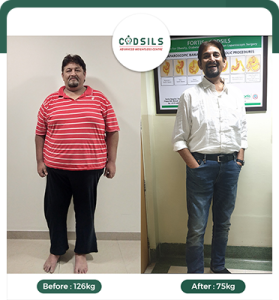
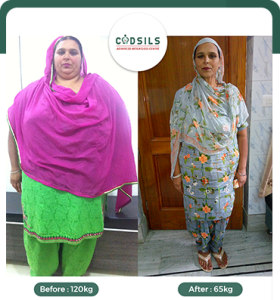
Laparoscopic Roux-en-Y Gastric Bypass in Punjab, India, offers a gold standard surgical option for achieving substantial and long-term weight loss in eligible patients. With the expertise of Dr. Amit Garg and advancements in bariatric surgery, individuals can achieve improved health and quality of life through sustainable weight management.
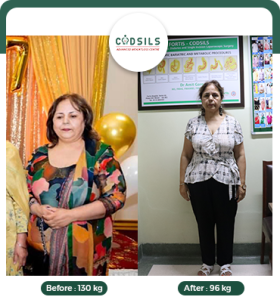
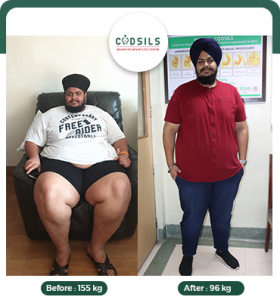
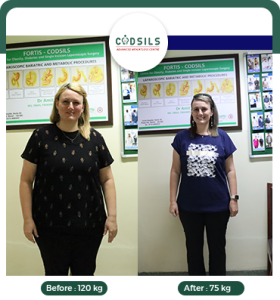
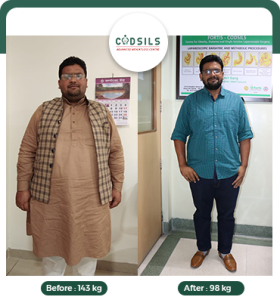
With the rising incidence of obesity in younger population, more and more people are opting for Bariatric weight loss surgery in Punjab. With the increased demand of bariatric surgery in young obese females, the concept of performing single incision bariatric surgery is gaining momentum among patients and surgeons. Dr. Amit Garg, best weight loss surgeon in chandigarh Tricity, performed his first Single Incision Bariatric Surgery in 2014. Dr Amit Garg did his training at Taiwan under Dr C.K Huang who is Worlds First surgeon to perform Single Incision Roux-en-Y gastric bypass surgery. Dr Amit Garg has also performed Single incision Trans umbilical Multiport bariatric surgeries for Young Females in 2014 at Fortis hospital, Mohali. At Our Center CODSILS, Single incision bariatric surgeries are performed for patients with BMI < 40kg/m2. For patients with BMI > 40Kg/m usually have enlarged Liver and visceral obesity and may require an additional port. At our center, patient safety is our first preference and we don’t hesitate to insert an additional port if required as every individual has different body parameters. If you are looking for SILS weight loss surgery in Punjab, CODSILS by Dr. Amit Garg is the best center for SILS.

Gall bladder removal is the most commonest procedure done in north India. Since the advent of laparoscopy, laparoscopic gall bladder removal surgery is the standard treatment for gall stones. The standard laparoscopic cholecystectomy requires ports. Since years efforts were made to reduce the number of incisions made for lap. cholecystectomy to give better cosmesis to the patient. In 1997, First single incision laparoscopic cholecystectomy was done. Today at many centers reduced port i.e 3 port surgeries are done or Single incision lap cholecystectomy are done to have better outcomes. Since all gall bladders stone patient are not same and present to hospital at different stages, single incision never became the standard treatment and often require additional ports to complete the surgery especially in obese patients with past history of cholecystitis.
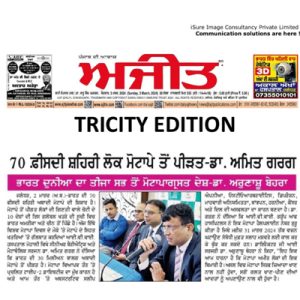
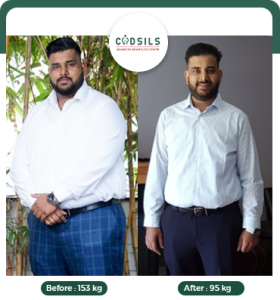
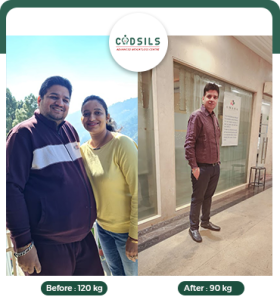
Dr. Amit Garg is recognized as the best surgeon for Gastric Bypass surgery / weight loss surgery in Punjab, providing comprehensive care and long-term support to patients on their weight loss journey. He has extensive experience in performing various bariatric or metabolic surgery procedures and has more than 2000+ successful cases to his credit.
Bariatric surgery is scientifically proven procedure that aims to help individuals with obesity achieve
significant and sustainable weight loss by altering the digestive system. There are several types of
bariatric procedures, each with its own approach and mechanism of action
Fill our health questionnaire and find out if you are eligible for bariatric surgery


Bariatric Surgery
Metabolic Surgeries
Laparoscopic GI Surgeries