


Metabolic Surgery for Type 2 Diabetes in Punjab, India : Dr Amit Garg - Dr.Amit Garg
CALCULATE BMI

Metabolic Surgery for Type 2 Diabetes in Punjab, India : Dr Amit Garg

Type 2 diabetes is a chronic and progressive disease with millions of people suffering from it and more than 50% of them have uncontrolled Type 2 Diabetes. For years, it was thought that diabetes had no cure and al the pharmaceutical medications available just control the blood

Keep Reading

sugars and despite of this glycemic control, many patients used to develop long term complications of Type 2 Diabetes like nephropathy, neuropathy, retinopathy and cardiomyopathy.

After millions of years of suffering from type 2 diabetes, actual remission of Type 2 diabetes is possible now in Punjab, India. After decades of research and clinical experience show that metabolic surgery can completely reverse type 2 diabetes in obese and non obese patients.
Metabolic surgery is different from bariatric surgery and works on weight loss independent mechanisms and that is the reason it results in immediate diabetes remission in 05 – 07 days before even weight loss has started.
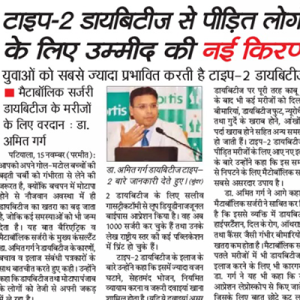
I, Dr Amit Garg, with more than 15 years of surgical practice in Bariatric and metabolic surgery. I did First case of metabolic surgery i.e loop duodenojejunal bypass with gastric sleeve in non obese patient in 2014 at Fortis hospital, mohali. have done 5000+ bariatric, metabolic and G.I surgeries and I have personally witnessed that after metabolic surgery, patients reduce or completely stop their diabetes medications often within 7 days of metabolic surgery. This is not a miracle; it is science based on understanding of gut micrbiome and gut incretin hormones.
In this guide, I will explain how Diabetes Surgery works, who can benefit and what realistic outcomes you can expect after Metabolic Surgery in Punjab.

What Is Diabetes Surgery (Metabolic Surgery for Diabetes)?

Metabolic surgery refers to surgical procedures that treat Type 2 diabetes and other metabolic diseases through changes in the gastrointestinal tract.. Although, often identified and confused with weight loss surgery, its metabolic effects go far beyond weight loss alone.
Keep Reading

In Bariatric Surgery, commonest weight loss procedures are gastric sleeve and mini gastric bypass and these procedures may result in diabetes improvement in morbidly obese patients with BMI > 35Kg/m2 but usually have limited results in patients with BMI 27.5 – 35 Kg/m2. Metabolic surgery includes procedures which help in diabetes remission for all patients with diabetes BMI > 27.5 kg/m2. Metabolic procedures are designed to cure type 2 diabetes in non obese patients because they work on weight loss independent mechanisms.

The Key Findings after Metabolic Surgery in Punjab

Researchers noticed that after certain bariatric operations, patients’ diabetes improved significantly often before any significant weight loss had occurred. This led to a paradigm shift: these surgeries were not only affecting weight, they were profoundly changing metabolic processes. Common types of metabolic surgeries done in non obese patients (BMI > 27.5Kg/m2) at CODSILS, Punjab are –

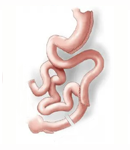
Types of Metabolic Surgery for Type 2 Diabetes in Punjab for patients with BMI 27.5 – 35kg/m2
Metabolic procedure Diabetes remission Benefits
Gastric Bypass (RYGB) 80-85%

High remission; hormonal +

intestinal changes

Sleeve Gastrectomy with proximal jejuna bypass 85-87%

High remission ;

hormonal changes

Gastric sleeve with loop Bipartition 82 – 86% Enhanced metabolic effects

Loop duodeno

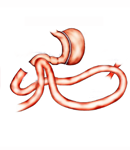
jejunnal bypass with sleeve gastrectomy

94.3%% Maximum metabolic effect
How Does Metabolic Surgery reverses type 2 Diabetes?

Beyond Weight Loss: The G.I. Hormonal Revolution

Metabolic Surgery triggers profound gastro intestinal hormonal changes:

  1. A) ROLE OF GASTRIC SLEEVE

It’s the first component of metabolic surgery and works by causing –

  1. Calorie restriction- reduced capacity of stomach reduces load on pancreas and secondly it causes weight loss thereby lowers insulin resistance.
  1. In patients with Type 2 diabetes, ghrelin hormone produced from fundus of stomach is significantly increased and is responsible for polyphagia or increased hunger. During Sleeve gastrectomy, fundus is removed and 90% of hunger hormone Ghrelin is taken out. Ghrelin is an anti insluin hormone and reduces insulin production. Gastric sleeves improves hunger, satiety and metabolic regulation.
  1. In sleeve gastrectomy gastric emptying is increased because of reduced capacity. Enhanced gastric emptying stimulates GI hormones like GLP-1 and PYY but this effect is minimal after sleeve gastrectomy alone.
  1. B)  ROLE OP DUODENAL EXCLUSION / FOPEGUT HYPOTHESIS :
  • According to foregut hypothesis, anti incretin hormones are present in the duodenum which gets activated by passage of food in the duodenum. This activation of anti incretin hormones suppresses the incretin effect. This reduces insulin secretion from pancreas. When we bypass the duodenum, these anti incretin hormones remain deactivated and bypassing duodenum has a enhanced incretin effect and insulin secretion from beta cells in pancreas. So, duodenal exclusion is a important factor in Metabolic Surgery but its required in selective patients, not all patients.
  1. C)   ROLE OF INTESTINAL BYPASS   

The Key role of intestinal bypass is diabetes remission is the more you bypass intestines, more is the diabetes remission. Intestinal bypass  works by 2 main mechanisms

  • HIND GUT THEORY – According to hindgut theory, faster delivering of nutrients more rapidly to the lower intestine boosts GLP-1, PYY and other beneficial hormonal responses. The more we bypass the jejunum, more is the incretin effect. This enhanced incretin effect is responsible for increased insulin production.
  • ALTERED GUT MICRBIOME – Recent research has shown that altered gut micrbiome is the root cause of Type 2 diabetes. Altered gut microbiome leads to leaky gut and dislodgement of harmful bacterial toxins into the blood circulation. These toxins in blood induce a low grad inflammation in body. This chronic inflammation affects insulin signaling and not only leads to insulin resistance, but also causes altered metabolism of lipids and fats. This cause obesity, dyslipidemia and fatty liver.  When all these problems are seen together in one patient, that condition is known a metabolic syndrome. Rerouting of the small intestine and bypass of leaky gut immediately stops bacteria dislodgement in blood and chronic inflammation. Bypassing of the small intestine is very important component of metabolic surgery and diabetes remission. Small intestine bypass, bypasses the leaky gut and stimulates incretin affect and insulin production. This is the reason diabetes resolution is seen immediately after metabolic surgery before even weight loss has started. For this reason, many researchers believe that type 2 diabetes is an intestinal disease and not a disease of pancreas as c- peptide levels are normal in most of the patients undergoing metabolic surgery.  Intestinal bypass causes increased GLP -1 and boosts insulin secretion and sensitivity (Same hormone available in drugs like Ozempic / Wegovy). Increased PYY hormone after intestinal bypass improves feeling of fullness, reduces appetite and affects glucose metabolism
Who Is Eligible for Diabetes Surgery?

Current Guidelines (2026)

International diabetes and surgical organizations recommend metabolic surgery is considered for:

Strong Candidates for Metabolic surgery in Punjab, India

  • BMI  ≥ 35 with Type 2 diabetes despite optimal medical therapy
  • BMI  ≥ 27.5 with poorly controlled diabetes despite of medical therapy (Class I obesity)

Key Factors for Metabolic surgery outcomes 

  • Duration of diabetes (shorter = better outcomes)
  • C-peptide levels (an indicator of remaining insulin production)
  • Current diabetes control (HbA1c levels)
  • Medications used (insulin vs. oral medications)
  • Age (younger patients often achieve better outcomes)

Best Candidates for Diabetes Remission

The highest remission rates are seen in patients who:

  • Have had diabetes for less than 5 years
  • Are not on insulin (or on low doses)
  • Have good C-peptide levels (>1.0 ng/mL)
  • Have truncal obesity (high BMI)
  • Are younger

Situations Where Full Remission May Not Be Achieved

Full remission is unlikely, although improvement is still seen when:

  • Diabetes duration exceeds 10 years
  • High-dose insulin is required
  • C-peptide is very low (indicates beta-cell exhaustion)
  • Type 1 diabetes (surgery does not treat Type 1 diabetes)
  • Choice of surgical procedure – gastric sleeve alone may not achieve remission and Mini gastric bypass may lead to severe malnutrition in non obese patients. At our center we avoid doing gastric sleeve alone and mini gastric bypass for diabetes remission in patients with BMI < 35 Kg/m2

The Metabolic Surgery Procedure for Type 2 diabetes reversal

Pre-Op Evaluation

Special evaluations for diabetes patients:

  • HbA1c levels
  • C-peptide and fasting insulin
  • Diabetes complication screening for nephropathy, neuropathy and retinopathy
  • Cardiac evaluation and cardiac clearance
  • Medication review and optimization

Pre-Op Blood Sugar Management

  • Diabetes medications are adjusted before surgery
  • Target blood sugar levels for safe surgery are set
  • Insulin doses are usually reduced before surgery
  • Close monitoring during the fasting period

The choice of Metabolic Surgery procedure

For diabetes treatment, we usually recommend:

  1. Roux en Y gastric bypass,
  2. Gastric sleeve with proximal jejunal bypass
  3. Gastric sleeve with loop bipartition
  4. Loop duodenojejunal bypass with sleeve gastrectomy

Immediate Post-Op Diabetes Management

  • Blood sugar is monitored closely
  • Diabetes medications are reduced or stopped
  • Temporary sliding-scale insulin if needed
  • Transition to oral medications or complete medication freedom

Life after Metabolic Surgery for type 2 diabetes

First week after metabolic surgery:

  • In many patients’ blood sugar returns to normal within days
  • Insulin requirement is stopped while patient is in hospital
  • Oral medications are reduced or completely stopped

2 – 4 weeks after metabolic surgery

  • Blood sugar continues to improve
  • Regular monitoring is essential
  • Medication adjustments are made as needed
  • The diet progresses as in standard low calorie, high protein diet

3 – 6 Months after metabolic surgery

  • Weight loss accelerates improvements
  • Most medication adjustments are completed
  • Regular follow-up with an endocrinologist

6 – 12 months after metabolic surgery

  • Annual HbA1c monitoring
  • Maintaining a healthy lifestyle
  • Some patients may need minimal medication
  • Most experience significantly improved or completely resolved diabetes
Lifestyle Modification after Metabolic Surgery

Surgery is a tool; it does not offer effortless cure. Patient must understand this surgery is not meant for eating high calorie diets after surgery but to control blood sugar and save patient from long term complications of Type 2 diabetes

  • Healthy nutrition : low calorie high protein diet is focused
  • Regular exercise : at least 30  minutes daily brisk walk
  • Weight maintenance : prevent weight regain
  • Vitamin supplementation : a lifelong requirement of calcium and multivitamins
  • Regular follow-up : blood tests and check-ups
Risks and Considerations after metabolic surgery for type 2 diabetes

Possibility of Diabetes Returning

  • 20-30% of patients may have partial return of diabetes within 5-10 years
  • When it returns, it is usually milder and easier to control
  • Often linked to weight regain
  • Still produces far better outcomes than not having surgery

Hypoglycaemia (Low Blood Sugar)

  • More common in the early post-op period
  • Medications must be adjusted quickly
  • Severe hypoglycaemia is rare
  • Close follow-up prevents problems

Standard Metabolic Surgical Risks

The intraoperative risk is same as in bariatric surgery or any other laparoscopic surgery like Lap cholecystectomy or Lap hysterectomy

  • Bleeding, infection, clots
  • Leaks at surgical connections
  • Nutritional deficiencies
  • Need for revision surgery
COMPARISON OF METABOLIC SURGERY Vs MEDICAL THERAPY
COMPARISON  PARAMETERS METABOLIC SURGERY MEDICAL THERAPY GLP-1 Drugs (Ozempic, Wegovy)
Diabetes remission 80-85% full remission Very rare, only control is seen
Weight loss 25-35% of body weight 10-20% of body weight
Duration One-time procedure Continuous (lifelong  therapy)
10-year cost Lower (one-time + vitamins) Higher (ongoing medication)
Side effects Surgical risks, vitamin needs Digestive issues, potential thyroid concerns
Ease of use One surgery and recovery Weekly / daily injection


My Perspective of Metabolic Surgery Vs Medical therapy

While GLP-1 drugs are valuable tools, surgery offers something medications cannot achieve.  The potential for immediate and full remission without ongoing medication therapy and saving the patient from long term complications of Type 2 diabetes is incomparable with medical therapy. For appropriate candidates, metabolic surgery is the most powerful intervention available for Type 2 diabetes.”*

Dr Amit Garg

Minimal Access Bariatric
Metabolic & GI Surgeon

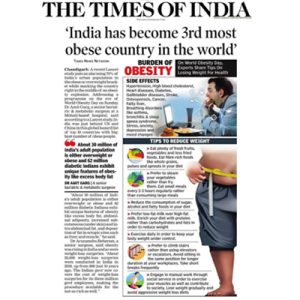
Why India is “affordable” for bariatric surgery (and not necessarily cheap)

First, let’s separate two words people mix up.

Affordable does not have to mean low quality. It often means the overall healthcare economics are different.

India is cheaper for bariatric surgery mainly because:

  • Hospital operating costs are lower.
  • Surgeon and staff costs are lower compared to Western countries
  • Medical tourism is competitive, so hospitals bundle packages
  • High procedure volume in metro hospitals can improve efficiency
What counts as weight loss surgery, exactly

Most people mean bariatric surgery. The big, common ones are:

1. Gastric Sleeve (Sleeve Gastrectomy) in India

A large portion of the stomach is removed, leaving a sleeve shaped stomach. You feel full sooner and hormone signals change too.
Why people pick it: no intestinal rerouting, simpler than bypass for many patients, strong results.

2. Gastric Bypass (Roux-en-Y) in India

Creates a small stomach pouch and reroutes part of the small intestine.
Why people pick it: very strong weight loss outcomes, helpful for type 2
diabetes control in many cases.

3. Mini Gastric Bypass (One Anastomosis Gastric Bypass) in India

A variant of bypass that is often shorter to perform, with one connection.
Why people pick it: effective, sometimes lower operative time, but needs a
surgeon experienced in this exact technique.

4. Adjustable Gastric Band (Lap Band) in India

A band is placed around the upper stomach to restrict intake.
Why it is less popular now: long term outcomes and complication rates have
made many surgeons move away from it.

5. Bariatric Revision Surgery in India

For people who had a prior bariatric procedure and need correction or
conversion.
This can be more complex and more expensive. Also, not every hospital is
good at revisions. Choose carefully.

6. Sleeve With loop bipartition or Sleeve plus Surgeries

How much does weight loss surgery cost in India (typical ranges)

Prices vary by city, hospital tier, surgeon reputation, and how complicated your case is. But realistic ballpark ranges for self pay patients often look like this:

  • Gastric Sleeve in India: roughly INR 3.0 to 3.5 lakhs (approx USD 3,000 to 3,500)
  • Gastric Bypass in India: roughly INR 3.5 to 4.5 lakhs (approx USD 3500 to 4500)
  • Mini Gastric Bypass: often similar to bypass, sometimes slightly lower, depending on center
  • Revision surgery: can be INR 5 to 7 lakhs (approx INR 5 to 7 lakhs USD 5,000 to 7,000+)

If you are comparing with the US where bariatric surgery can easily run USD 15,000 to 30,000+ , you can see why India is on the shortlist.
But do not stop at the surgery price alone. Budget for the full trip.

Travel budget reality check

If you are coming from outside India, consider:

  • flights
  • hotel stays (before admission, after discharge)
  • local transport
  • companion costs if someone travels with you
  • extra days in case recovery is slower than expected
  • follow up visits, medications, lab tests

Even after all that, many patients still end up far below Western costs. Just do not get surprised by the add ons.

What is usually included in an “all inclusive” bariatric package

Hospitals in India often offer bundled packages. Some are genuinely comprehensive. Some are “inclusive” in marketing only.
Typically included:

  • surgeon fee
  • anesthesia fee
  • OT charges
  • hospital stay (often 2 to 4 nights depending on procedure)
  • standard room category (not always deluxe)
  • basic pre op workup (blood tests, ECG, chest X ray)
  • dietician counseling (sometimes limited sessions)

Often not included, or included only partially:

  • ICU stay if unexpectedly needed
  • complications management (read the fine print)
  • advanced imaging if required
  • treatment for unrelated conditions discovered during workup
  • higher room categories
  • extended stay beyond package days
  • some medications after discharge
  • follow up after you return home (teleconsults may be extra)

Ask for the package inclusions in writing.

Who qualifies for weight loss surgery (common criteria)

Most bariatric programs follow international guidelines with some variation.
Typical eligibility:

  • BMI 40+, or
  • BMI 35+ with obesity related conditions (type 2 diabetes, sleep apnea, hypertension, fatty liver, joint issues), and sometimes
  • BMI 30 to 35 in select cases with poorly controlled diabetes or metabolic disease, depending on surgeon and guidelines used

You also need:

  • ability to follow post op diet and supplementation
  • psychological readiness (some hospitals do a psych evaluation)
  • realistic expectations and willingness to attend follow ups

This part matters. Surgery is not a magic reset. It is a tool that works insanely well when you actually use it properly. Vitamins, protein, hydration, movement, follow up labs. The boring stuff.

Best cities in India for bariatric surgery (and why)

India is huge. Medical quality is not evenly distributed. You will find excellent bariatric programs in many places, but some cities are simply easier for international patients.
Common medical tourism hubs:

  • Chandigarh: lots of large multi specialty hospitals, international patient departments, flight connectivity. Dr Amit Garg and CODSILS is the main reason people prefer Chandigarh
  • Mumbai: high end private hospitals, strong surgical talent pool
  • Bengaluru: good corporate hospitals, strong systems and follow up culture in many centers
  • Chennai: known for cost effective care with solid quality in many hospitals
  • Hyderabad: competitive pricing, multiple reputable bariatric teams
  • Kochi: popular for some international patients, calmer pace, good hospitals

Instead of picking a city first, pick the surgeon and hospital first. Then the city follows.

How to choose the right hospital and surgeon (this is where people rush)

If you are trying to keep it affordable, you might be tempted to just chase the lowest quote.
Try not to.
A good selection checklist:

Surgeon focused questions

  • How many sleeve or bypass procedures do you perform per year
  • What is your leak rate and major complication rate, roughly
  • Are you trained specifically in bariatric and metabolic surgery
  • Do you do the surgery yourself or is it a rotating team
  • What is your approach to follow up and long term monitoring
  • How do you handle gallstones, reflux, or hiatal hernia if found

You want clear answers. Not defensive, not vague.

Hospital focused questions

  • Is the hospital accredited (NABH is common in India, JCI exists in some centers)
  • Do they have an ICU and specialists on call
  • Is there a dedicated bariatric coordinator and dietician
  • Do they have protocols for DVT prevention, early mobilization, pain control
  • Do they provide structured diet stages and supplementation plans

You are not being “difficult” by asking. This is your body.

The surgery experience in India, what it often looks like

Every hospital is different, but the general flow is pretty consistent.

Before surgery

You arrive, you meet the surgeon and team, you do pre op workup. Blood tests, imaging if needed, sometimes an endoscopy, sometimes a pulmonology or cardiology clearance if you have risk factors.

You will likely be asked to do:

  • a pre op diet (often liquid or low carb) for liver shrinkage
  • stop smoking, stop alcohol, adjust medications
  • plan for post op diet stages

Hospital stay

Most sleeve patients stay around 2 to 3 nights. Bypass can be 3 to 4 nights. Some discharge earlier, but I personally think an extra night is not the worst thing. Especially if you flew in.
Pain is usually manageable. Walking starts early. Sips of water, then clear liquids.

After discharge

You will be on staged diet progression. Clear liquids, full liquids, pureed, soft, then regular textured food. The timeline varies by surgeon.

You also start:

  • vitamins and minerals (this is non negotiable, especially for bypass)
  • protein supplementation
  • hydration goals

Expect fatigue. Mood swings sometimes. Weird taste changes. This is normal, within reason.

Hidden costs and common mistakes (so you do not step on the same rake)

Here are the common “I wish I knew this earlier” items.

1. You might need extra days in India

If you are traveling internationally, plan to stay at least 10 to 14 days total, sometimes longer depending on surgeon preference and your healing.
Flying too early increases risk of clots, dehydration, discomfort, and just overall misery.

2. Cheap quotes sometimes exclude essentials

Some quotes do not include:

  • stapler charges
  • consumables
  • compression stockings
  • OT time beyond a set limit
  • management of comorbidities

Always get a written inclusion list.

3. Follow up care at home needs planning

Weight loss surgery is not a one time thing. You need follow up labs, vitamin monitoring, sometimes medication adjustments, and a primary doctor who is not hostile to bariatric patients.

Before you fly, ask for:

  • operative notes
  • discharge summary
  • diet plan
  • supplement plan
  • schedule for labs (3 months, 6 months, 12 months, annually)
  • contact email or WhatsApp for follow up questions

4. Do not ignore reflux symptoms

If you already have bad GERD, sleeve might worsen it in some patients. Bypass often helps reflux, but each case is unique. A pre op endoscopy and proper discussion matters here.

5. Revision surgeries are not bargain shopping territory

If you need a revision, choose a center that does revisions routinely. The cheapest option is rarely the safest in that category.

Is bariatric surgery in India safe

It can be very safe. India has world class surgeons and hospitals, especially in major cities and established centers. Many hospitals follow protocols comparable to international standards.

But safety depends on:

  • surgeon experience
  • hospital systems
  • your health status and preparation
  • post op monitoring and follow up compliance

So the honest answer is yes, it can be safe. But you have to choose carefully, and you have to do your part too.

How to start the process (simple steps)

If you are serious about doing this in India, here is a clean way to start without getting overwhelmed.

  • Shortlist 3 to 5 hospitals or surgeons based on reviews, credentials, and volume.
  • Request a video consultation and share your basic health info.
  • Ask for a written package quote with inclusions and exclusions.
  • Check what pre op tests you can do at home to save time in India.
  • Plan your stay with buffer days.
  • Arrange post op follow up back home and commit to lab monitoring.

And honestly, listen to your gut during consults. If the coordinator is pushy, if questions annoy them, if they promise unrealistic outcomes, it is okay to move on.

Expected weight loss results (rough idea, not a promise)

Results vary, but many patients see:

  • Sleeve: often around 50 to 70% excess weight loss over 12 to 18 months
  • Bypass: often around 60 to 80% excess weight loss over 12 to 18 months

Metabolic improvements, especially for type 2 diabetes, can happen quickly after bypass and sometimes after sleeve too.

But results depend heavily on follow up, protein intake, activity, sleep, and whether old habits quietly creep back in. It happens. You just correct course and keep going.

Final thoughts

Affordable weight loss surgery in India is real. The numbers can make sense even after flights and hotels. And there are surgeons there who do this every day, with strong outcomes, solid protocols, and real support systems.

Just do not treat “affordable” like “pick the lowest price and hope for the best”.

Pick experience. Pick a hospital that has systems. Ask the annoying questions. Get everything in writing. Plan your follow ups before you even board the flight.

If you do it that way, India can be not just the cheaper option, but the smart option.

Make An Appointment

Call:6283337650

OR

    Name (required)

    Email Id (required)

    Phone Number (required)

    City

    Message for the Doctor (If Any)

    Frequently Asked Questions on Metabolic Surgery

    before image
    Can surgery cure Type 2 diabetes?

    “Cure” is a strong word, but surgery can produce remission in 80-85% of appropriate patients — meaning normal blood sugar levels without diabetes medications. Many patients sustain this for years or decades. In some patients, especially with weight regain, diabetes can partially return over time.

    How quickly does diabetes improve after surgery?

    Many patients see blood sugar return to normal within days to weeks — often before any significant weight loss has occurred. This is due to the hormonal changes the surgery triggers. I have had patients stop insulin even while still in hospital.

    I have had diabetes for 15 years. Can surgery still help?

    Yes, but expectations need to be realistic. Patients with long-standing diabetes are less likely to achieve full remission, but most experience significant improvement. Even if you do not stop medications entirely, you can dramatically reduce them.

    Is Diabetes Surgery different from weight loss surgery?

    The procedures are mostly the same (Gastric Bypass, Sleeve Gastrectomy). The term “metabolic surgery” emphasizes that the goal is not only weight loss but treatment of metabolic disease (diabetes). The metabolic benefits are the primary goal, not a side effect.

    What if I need insulin again after surgery?

    Some patients, especially when pre-op diabetes was long-standing, may need low-dose medication again over time. However, doses are usually much lower than before surgery and easier to control.

    Is Diabetes Surgery Right for You?

    You may consider metabolic surgery if you have:

    • Type 2 diabetes with obesity (BMI ≥ 27.5)
    • Difficulty controlling diabetes despite medications
    • Multiple diabetes medications or insulin use
    • Diabetes-related health complications
    • A search for a lasting solution
    Take the First Step

    You do not have to let Type 2 diabetes control your life. Metabolic surgery offers a scientifically proven path to remission for many patients. With more than 15 years of experience and 3,000+ operations, I can help you determine whether surgery is appropriate for your situation.

    Book your free metabolic surgery consultation today with Dr Amit Garg team:

    Phone / WhatsApp : +91 -76580 37650 , +91 – 62833 37650

    Weight loss surgery in Amritsar | Punjab | Dr Amit Garg

    before image

    Laparoscopic Bariatric & Metabolic Procedures

    before image

    Bariatric surgery is scientifically proven procedure that aims to help individuals with obesity achieve
    significant and sustainable weight loss by altering the digestive system. There are several types of
    bariatric procedures, each with its own approach and mechanism of action

    Roux-en-Y Gastric Bypass

    Roux-en-Y Gastric Bypass

    Read More

    Mini Gastric Bypass

    Mini Gastric Bypass

    Read More

    Sleeve Gastrectomy

    Sleeve Gastrectomy

    Read More

    Sleeve Gastrectomy with Proximal Jejunal Bypass

    Sleeve Gastrectomy with Proximal Jejunal Bypass

    Read More

    Loop Duodeno Jejunal with Sleeve Gastrectomy

    Loop Duodeno Jejunal with Sleeve Gastrectomy

    Read More

    Single Incision (Zero Scar) Bariatric Surgery

    Single Incision
    (Zero Scar)
    Bariatric Surgery

    Read More

    Fill our health questionnaire and find out if you are eligible for bariatric surgery

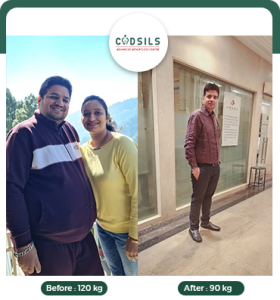
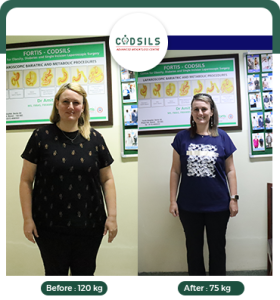
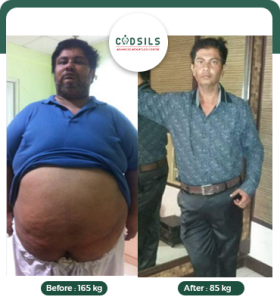
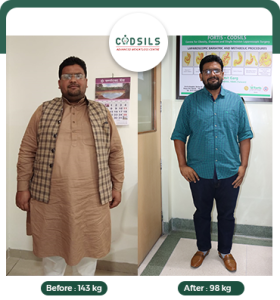
    Bariatric Surgery Results

    before image
    3000+

    Bariatric Surgery

    2000+

    Metabolic Surgeries

    10000+

    Laparoscopic GI Surgeries

    Our Patient’s Testimonials

    before image

    Latest News

    before image

    Latest Events

    before image
    Translate »
    WhatsApp chat