



14 Oct Ozempic vs Bariatric Surgery: Who Should Switch? – Dr Amit Garg / CODSILS
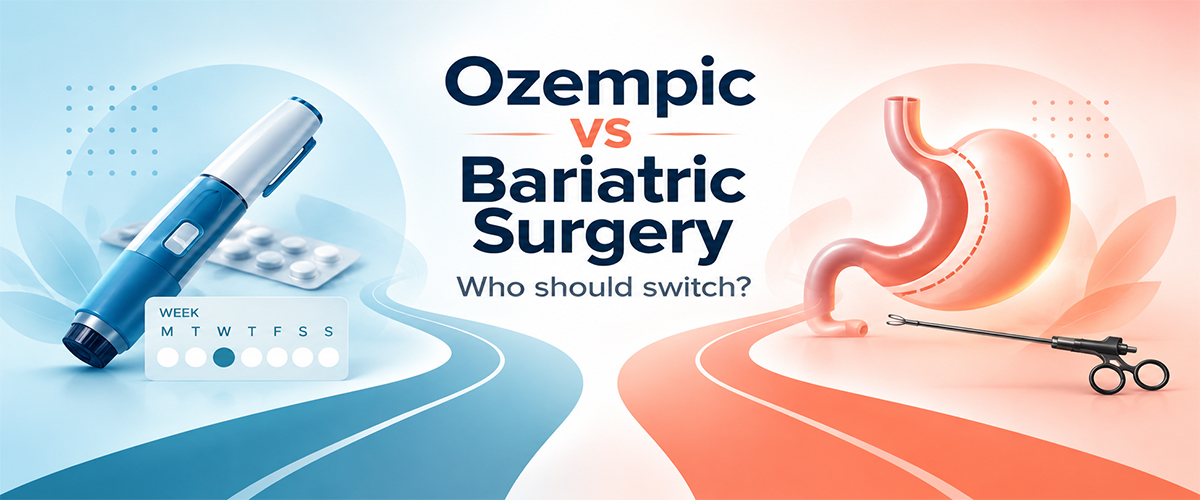
Ozempic vs Bariatric Surgery – Dr Amit Garg, Mohali
If you are trying to lose a serious amount of weight, you have probably had this moment. You see people online talking about Ozempic. Or Wegovy. Or Mounjaro. Sometimes it sounds like magic. Appetite goes quiet, weight drops, sugar improves. And then you also hear about bariatric surgery, and how it can be life changing, permanent, and honestly a bit scary.
So the real question in Ozempic vs bariatric surgery is not “which is better?” in a generic way.
When should someone stick with GLP 1 medications like Ozempic, and when should they consider switching to bariatric surgery? Or the other way around, when does surgery not make sense and medication does.
First, what Ozempic actually does
Ozempic is the brand name for semaglutide, a GLP 1 receptor agonist. It was first used for type 2 diabetes, and later versions and doses became popular for weight loss as well.
In plain language, it tends to:
- reduce appetite and cravings
- slow stomach emptying so you feel full longer
- improve insulin response and blood sugar control
- help some people lose a meaningful amount of weight over months
For many patients, that is a big deal. Especially if you have obesity plus diabetes, fatty liver, PCOS, high blood pressure, or sleep apnea.
But also, it is not a “one time fix.”
For most people, the medication needs to be continued long term to maintain the benefits. And if it is stopped, weight regain is common.
There are side effects too. Nausea, constipation, reflux, diarrhoea, fatigue. Sometimes gallbladder issues. In rare cases, pancreatitis. Some people tolerate it beautifully. Some do not.
And of course, cost and availability matter. Because if you cannot access it consistently, the plan gets shaky.
What bariatric surgery really is today (not the old scary version in your head)
Bariatric surgery is not one single operation. It is a group of procedures that change how your stomach and sometimes your intestines handle food, hunger hormones, and metabolism.
The most common modern procedures include:
- Sleeve gastrectomy (reduces stomach size and affects hunger hormones)
- Roux en Y gastric bypass (restriction plus hormonal and metabolic effects)
- Mini gastric bypasss/ One anastomosis gastric bypass
- Sleeve plus intestinal bypass
- Other options for selected cases, revisions, or complex metabolic disease
Bariatric surgery is not only “mechanical restriction.” It changes gut hormones, insulin sensitivity, appetite signaling, and in many cases leads to rapid improvement in type 2 diabetes even before major weight loss happens.
Also, today’s bariatric surgery is typically done with minimally invasive laparoscopic techniques. Many specialized centers, including those focusing on single incision approaches, aim for less pain, smaller scars, and faster recovery when appropriate. For the right person, it can be the most effective tool we have for long term weight loss and metabolic improvement.
Ozempic vs Bariatric Surgery: Outcomes and Durability
How much weight can I realistically lose, and keep off?
Results vary. A lot. But in general:
- GLP 1 medications can produce significant weight loss for many people, often in the range of 10 to 15 percent of starting weight, sometimes more depending on the drug, dose, adherence, and individual response.
- Bariatric surgery often leads to larger total weight loss and tends to be more durable over the long term, especially for people with severe obesity.
There are people who do amazing on medication and never need surgery. And there are people who do surgery and later still use medication as an add on. It is not either or forever.
But if you are asking “who should switch?” you are usually asking because something is not working well enough.
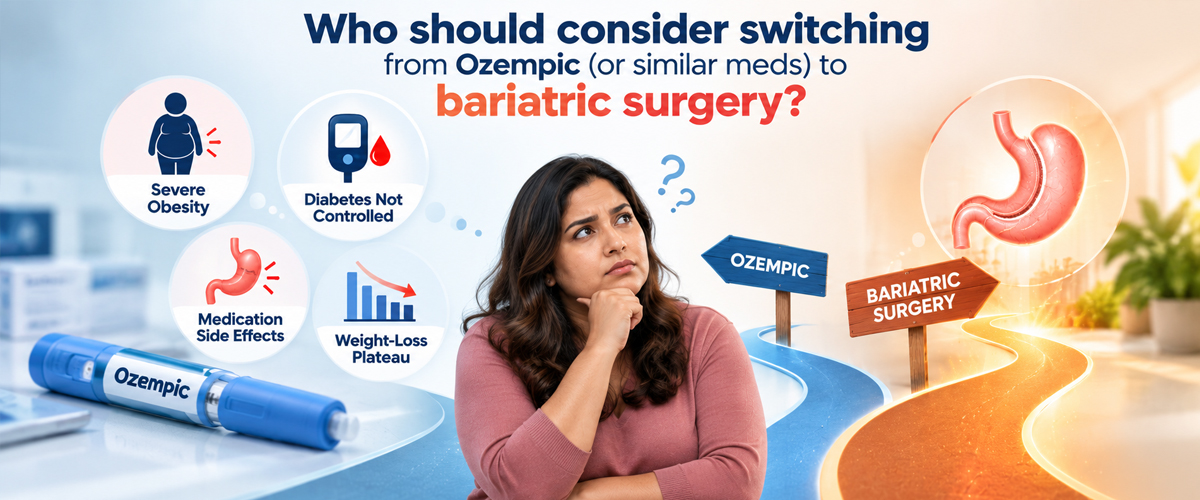
Who should consider switching from Ozempic (or similar meds) to bariatric surgery?
1) You have severe obesity and you need a bigger, more durable result
If your BMI is high, especially with obesity related diseases, you may find that medication helps but not enough to reach a safer range.
This is common in people with:
- BMI 40 and above
- BMI 35 and above with diabetes, sleep apnea, hypertension, fatty liver, joint disease, infertility issues, etc.
If your health risks are climbing and you need a more powerful intervention, surgery may be the more effective long term lever.
Not because you “failed” medication. Just because the body’s set point and disease severity may need a stronger metabolic reset.
2) Your diabetes is not controlled enough, even with medication
Ozempic helps blood sugar. Sometimes dramatically.
But some patients still struggle with:
- high HbA1c despite multiple medications
- long standing type 2 diabetes with insulin requirement
- complications starting to show up (kidney, eyes, nerves)
Bariatric and metabolic surgery has strong evidence for diabetes remission or major improvement in many eligible patients. Not every case. But enough that for someone at risk, it is worth discussing early, not as a last resort.
3) Side effects or intolerance are limiting your ability to stay on GLP 1 drugs
If you are constantly nauseated, unable to eat properly, dealing with severe reflux, constipation, or repeated dose reductions, you may not be able to maintain the therapy.
Some people are stuck in a loop like this:
Start drug, lose a bit, side effects become too much, stop, regain, restart.
That is exhausting.
If you are medically eligible for surgery and you are motivated for a structured long-term plan, surgery can sometimes provide a more stable path.
4) Cost, access, or long-term availability is a real barrier
This is a practical reason, but it is huge.
If medication is too expensive, not covered, frequently out of stock, or hard to maintain for years, it is fair to ask whether a one-time surgical intervention makes more sense financially and logistically.
This depends on your location and insurance and clinic setup, of course. But it is a valid part of decision making.
5) You are losing weight, but you are stuck far from your goal and health risks are ongoing
There is a type of “partial success” that feels frustrating.
You lose 8 percent, 10 percent, maybe 12 percent. Everyone congratulates you. But your sleep apnea is still there. Your knees still hurt. Your blood pressure is still high. Your fatty liver still looks bad on ultrasound.
If the remaining risk is significant, and you are eligible, switching to surgery may be a rational next step.
6) You want a more definitive tool and you are ready for lifestyle and follow up
Surgery is not magic. But it is a strong tool.
If you are the kind of person who will attend follow ups, take supplements, adjust eating patterns, and treat this like a long-term health project, outcomes tend to be much better.
Readiness matters.
Not perfection. Just readiness.

Who should NOT rush to switch to surgery (and might do better staying with Ozempic or similar meds)?
1) You are responding well to medication and health markers are improving
If you are losing weight at a steady pace, your HbA1c is improving, blood pressure is better, and you can tolerate the drug, it often makes sense to continue.
Surgery will always be there as an option later. You do not have to jump.
2) You have mild to moderate obesity without major complications
If your BMI is lower and you do not have severe metabolic disease, medications plus nutrition, activity, sleep, and behavioral support may be enough.
For some people, surgery would be too big a step for the risk benefit balance.
3) You are not ready for the lifelong aftercare piece
This is important.
After bariatric surgery, you need:
- long term nutrition monitoring
- vitamin and mineral supplementation
- protein focused eating
- periodic blood tests
- follow up for reflux, gallstones, anemia risks, and more depending on procedure
4) You are pregnant, planning pregnancy soon, or have other timing constraints
Both medication and surgery have pregnancy related timing considerations. Many surgeons advise avoiding pregnancy for a period after surgery, and GLP 1 drugs are generally not used during pregnancy.
5) You have untreated eating disorders or unstable mental health
This is sensitive, but real.
Bariatric surgery changes your relationship with food very quickly. If there is uncontrolled binge eating, severe emotional eating, or untreated depression or anxiety, outcomes can suffer and quality of life can drop.
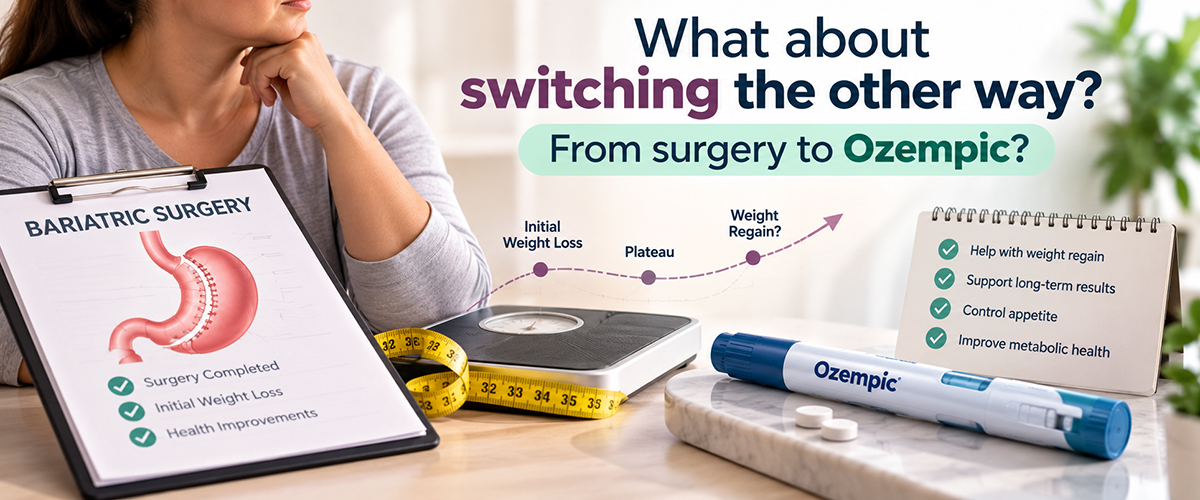
What about switching the other way? From surgery to Ozempic?
This happens too, and it is not uncommon.
People may consider GLP 1 medications after bariatric surgery if:
- weight loss plateau is higher than expected
- weight regain happens years later
- diabetes returns or worsens
- cravings and appetite return strongly
In these cases, medication can be an effective add on. The goal is not to “pick a team.” The goal is to treat obesity as the chronic, relapsing disease it often is.
Some patients do best with a combination approach over time.
The decision points that actually matter
If you are stuck on Ozempic vs bariatric surgery, these are the questions that cut through noise.
1) How much weight do you need to lose for health, not just looks?
Not “ideal weight.” Health weight.
What would improve your sleep apnea. What would reduce fatty liver. What would reduce joint pain and medications. What would make diabetes safer.
If the required change is large, surgery becomes more relevant.
2) What is happening to your metabolic health right now?
Look at:
- HbA1c
- fasting glucose and insulin resistance
- triglycerides and HDL
- blood pressure
- fatty liver markers or imaging
- sleep apnea severity
If multiple markers are high risk and staying high, a stronger intervention may be needed sooner.
3) Can you realistically stay on medication long term?
This is about:
- side effects
- cost
- supply
- willingness to inject weekly
- follow up and dose adjustments
4) Are you okay with surgery risks and follow up responsibilities?
Surgery has upfront risk. Medication has ongoing commitment and potential regain when stopped.
Both require follow up, but in different ways.
If you want the most durable outcome and you can commit to post op care, surgery may be a better fit.
Where CODSILS fits in (and why a consult helps even if you are unsure)
A lot of people wait too long to talk to a specialist because they think a consult means you will be pushed into surgery.
A good clinic does not work that way.
At CODSILS (www.codsils.com), the whole focus is obesity and metabolic care, not just operating. Which matters. Because you want someone who can look at your full picture and say, honestly, “you can do this medically” or “you are likely to benefit more from surgery” or “let’s combine approaches.”
That kind of clarity usually comes from:
- BMI and body composition
- medical history and medications
- diabetes duration and control
- sleep study results if relevant
- liver health
- previous weight loss attempts
- eating patterns and lifestyle constraints
If you are weighing Ozempic vs bariatric surgery, whether to switch from medication or try meds before surgery, a structured evaluation is the fastest way to stop guessing.
You can start by browsing the patient resources and procedure information on www.codsils.com, and if you are ready, book a consultation to map out a plan that is realistic for you.
The bottom line
Ozempic vs bariatric surgery is not a fight between enemies.
They are tools. Different strengths, different trade-offs.
If you are doing well on medication and your health is improving, there is no shame in staying the course. Keep going. Monitor. Adjust. Do not let online noise rush you.
If you are not getting enough benefit, cannot tolerate it, cannot access it long term, or your metabolic risks are still high, switching to bariatric surgery can be the most effective next step. And for many people, it is the step that finally makes everything else possible.
FAQs (Frequently Asked Questions)
01 – What is Ozempic and how does it help with weight loss?
Ozempic is the brand name for semaglutide, a GLP 1 receptor agonist initially used for type 2 diabetes. It helps reduce appetite and cravings, slows stomach emptying to keep you full longer, improves insulin response and blood sugar control, and can lead to meaningful weight loss over months when taken consistently.
02 – When should someone consider switching from GLP 1 medications like Ozempic to bariatric surgery?
Switching to bariatric surgery may be considered if you have severe obesity (BMI 40+ or BMI 35+ with related health issues), if your diabetes remains uncontrolled despite medication, or if side effects from GLP 1 drugs limit your ability to maintain therapy. Surgery offers a more durable and often larger weight loss and metabolic improvement for these cases.
03 – What are the benefits of bariatric surgery compared to medications like Ozempic?
Bariatric surgery not only mechanically restricts food intake but also changes gut hormones, insulin sensitivity, and appetite signaling. It often leads to rapid improvement in type 2 diabetes even before major weight loss happens. Surgery typically results in larger total weight loss that tends to be more durable long-term, especially for people with severe obesity.
04 – Are there risks or side effects associated with GLP 1 medications like Ozempic?
Yes, side effects can include nausea, constipation, reflux, diarrhea, fatigue, and sometimes gallbladder issues or rare pancreatitis. Some people tolerate the medication well; others do not. Cost and consistent availability also affect treatment plans since stopping medication often leads to weight regain.
05 – What should I know about the recovery and lifestyle changes after bariatric surgery?
Modern bariatric surgery is usually minimally invasive with smaller scars and faster recovery. However, it’s still surgery with inherent risks. Post-surgery requires lifelong follow-up including nutrition supplements and significant changes in eating habits. Being ready for these lifestyle adjustments is crucial for success.
06 – Can someone use both bariatric surgery and GLP 1 medications together?
Yes, these treatments are not mutually exclusive. Some patients achieve great results with medication alone; others may undergo surgery and later use medications as an add-on. The choice depends on individual health needs, response to treatments, and goals for weight loss and metabolic health.
