Fat Loss Injections in Punjab: Types, Cost & Safety
CALCULATE BMI

Fat loss injections in Punjab India – Dr Amit Garg

People don’t search “injections for fat loss in Punjab” because they love needles. They search it because they want faster weight loss results. Because the belly feels stubborn. Because motivation drops when diet and exercise alone aren’t moving the scale. And because everyone has that one cousin who claims they “just took a shot and lost weight”.

Keep Reading

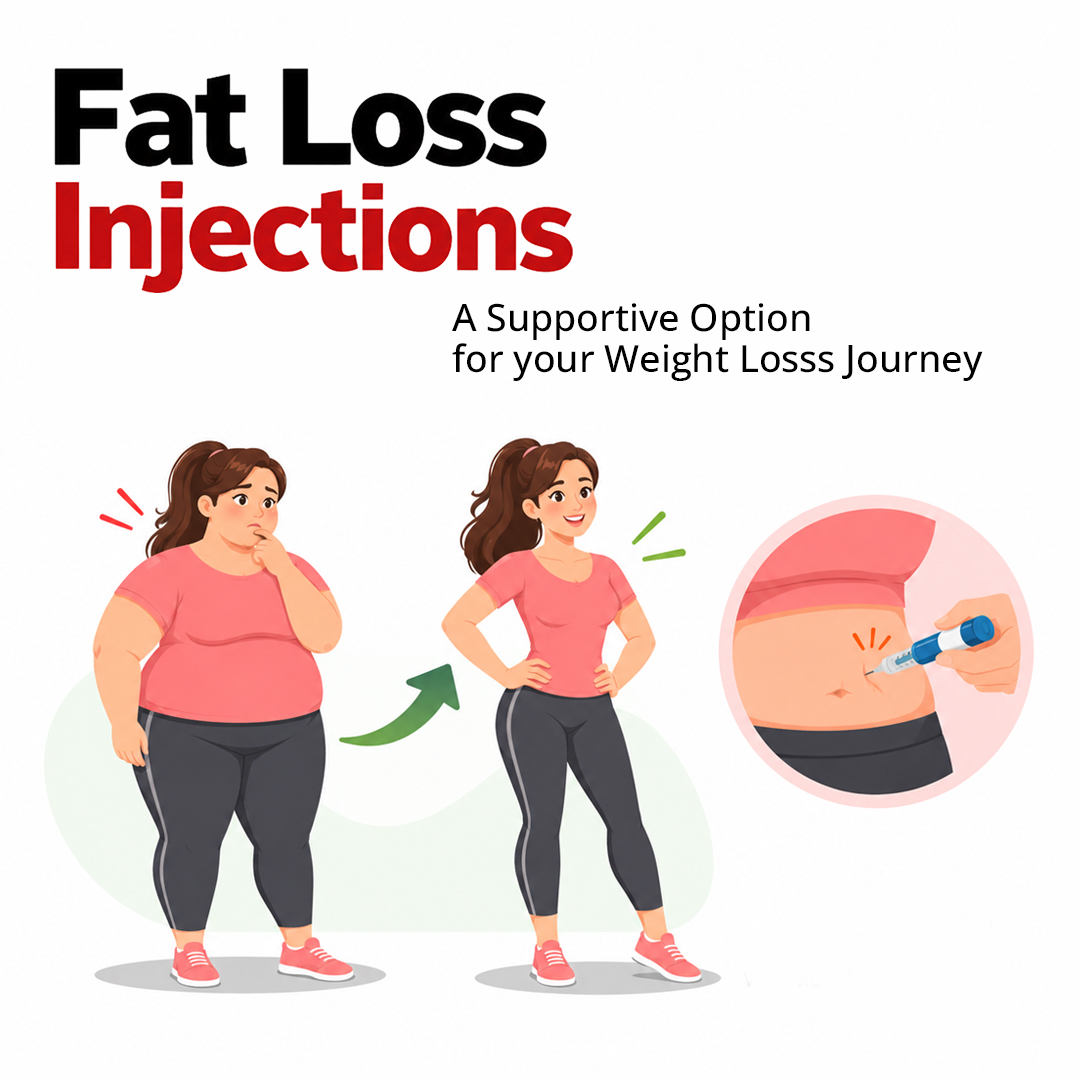
Fat loss injections can be useful. In the right person. Under the right supervision. With a plan that includes food, movement, sleep, and follow ups. They are not a magic “shot to lose weight fast” that overrides your lifestyle.
Also, a quick but important distinction.
Overall weight loss means you reduce body weight and body fat over time. This is where prescription appetite control injections can help.
Targeted fat reduction (belly, love handles, double chin) is different. Most injections do not let you pick where fat comes off.

Why people in Punjab choose weight loss shots

Punjab has the same modern problem most places do. Work is busy, movement is low, food is convenient, stress is high. Add family responsibilities, weddings every other month, and a schedule that doesn’t care about your calorie deficit.

Here are the most common reasons people go looking for weight loss injections near them.

Keep Reading

1) Busy schedules and desk jobs

People aren’t necessarily eating “a lot” every day. But they’re eating a little extra, moving too little, sleeping too late. That combo is sneaky. Appetite control injections can sometimes help cut the constant snacking and craving cycle so a plan becomes doable.

2) PCOS, insulin resistance, and prediabetes patterns

A lot of women with PCOS struggle with weight gain around the midsection, cravings, and stubborn progress. Some people also have insulin resistance and don’t even know it until labs show it. In these cases, the goal is not just looks. It’s metabolic health.

3) Postpartum weight retention

After pregnancy, weight loss can feel… weirdly hard. Hormones, sleep disruption, stress, less time, less structure. Some women explore injections later on, but this needs careful screening, especially if breastfeeding or planning another pregnancy.

4) “Injections to lose belly fat” searches

This is the big one. Belly fat is frustrating. But injections usually don’t target belly fat directly. If your belly is driven by overall fat gain, insulin resistance, high stress, poor sleep, low muscle mass, then the solution is bigger than a belly specific injection.

5) Medical need vs aesthetic goal

A good clinic will ask about BMI, waist circumference, blood pressure, sugar, lipids, fatty liver markers. Because for many people, the real issue is health risk, not just fitting into an old pair of jeans. And that changes what treatment makes sense.

6) Convenience and supervision

When someone types “weight loss injections near me”, they often want a nearby clinic that can monitor side effects, adjust doses, and keep them accountable. Convenience matters. So does proper follow up.

Types of injections used for fat loss/weight loss

Clinics sometimes lump everything into “fat burning shots”.

In Punjab, you’ll typically see these categories:

  1. Prescription appetite control injections (medical weight loss medications)
  2. Nutrient based shots (supportive, not primary fat loss treatment)
  3. Localized fat reduction injections (small areas, not full body weight loss)

1) GLP-1 injections (Semaglutide based weight loss shots)

This is the category most people mean when they say “weight loss injections” these days.

What GLP-1 medicines do

They help you feel full sooner, reduce appetite, reduce cravings for many people, and slow stomach emptying. They also improve blood sugar control. That’s why they’re often used in people with diabetes or prediabetes patterns, and in people with obesity related risk.

So the fat loss doesn’t come from “burning fat directly”. It comes from eating less without feeling like you’re in a daily fight with hunger.

Who they’re typically for:

Usually people who are overweight or obese, especially with risk factors like high sugar, PCOS with insulin resistance features, fatty liver, hypertension, sleep apnea risk, or a strong family history of metabolic disease.

Expected pace of loss and why consistency matters:

Some people lose quickly in the first few weeks. That can be reduced intake and water weight shifts. Real fat loss is slower and steadier. Many plans are measured in months, not days. And the best results usually happen when the person also improves protein intake, walking, strength training, and sleep.

Why people search “semaglutide weight loss near me” in Punjab:

Because dosing and side effects need management. Nausea, constipation, reflux, appetite suppression that becomes too strong, fatigue. A good clinician adjusts the plan, not just hands over a pen and disappears.

2) Lipotropic / MIC shots in Punjab

Lipotropic shots are usually marketed as “fat burning injections”. Realistically, they’re more like support.

What they often contain:

Formulations vary, but many include a mix of B vitamins (like B12), and compounds often marketed as “lipotropic” such as methionine, inositol, choline, sometimes carnitine.

What claims are realistic:

If you’re deficient in certain nutrients, correcting that can improve energy, mood, and adherence. Some people feel less fatigue, better workout consistency, or better diet compliance because they feel slightly more “on”.

Best use case:

People who are already in a plan but struggling with low energy, diet adherence, or who have confirmed deficiencies. Think support tool. Not main weapon.

3) Local fat reduction injections 

This is where a lot of confusion happens.

The concept:

Some injections are designed for small localized fat pockets. They are not weight loss medication. They are not for obesity treatment. They are usually used for small areas like under the chin, or small stubborn pockets in selected cases.

Common target areas:

Under chin is common. Small abdominal pockets sometimes get marketed, but “belly fat injections” is a slippery phrase. Because most belly fat problems are not a tiny pocket. It’s overall fat gain plus maybe some visceral fat plus posture and bloating and stress.

How fat loss injections work

No matter what anyone sells you, energy balance still matters. If you’re consistently eating more than you burn, weight loss won’t happen.

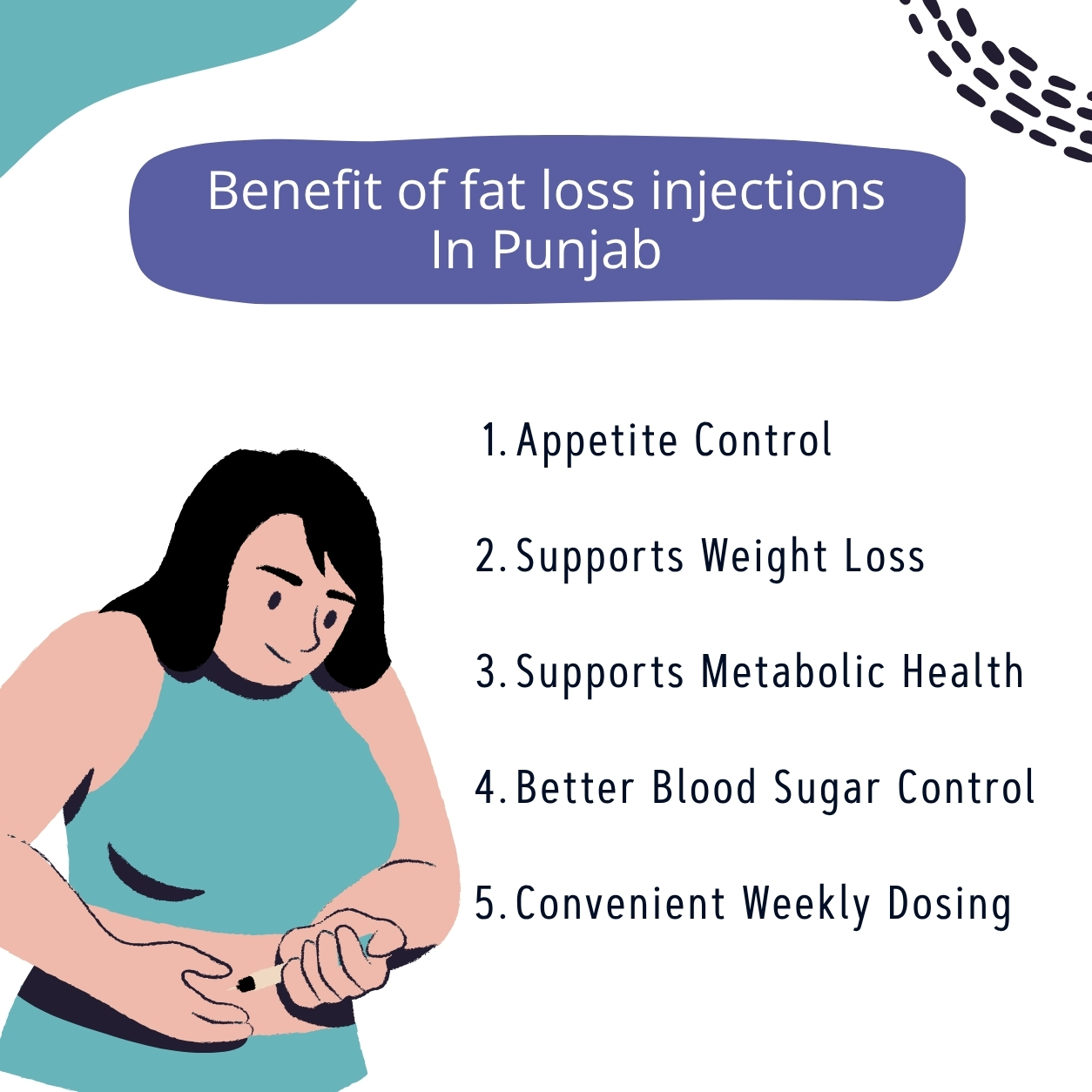
What injections can do is make the process easier.

  • Appetite control so you naturally eat less
  • Craving reduction so you don’t feel pulled toward snacks all day
  • Better blood sugar control which can reduce hunger swings for some people
  • Better adherence because the plan feels more doable

Good clinicians adjust dose (if appropriate), tighten nutrition, increase activity targets, and track waist and trend weight instead of panic reacting to one weigh in.

And about “fat burning injections”. It’s usually a phrase that means “supporting fat loss”. It does not mean fat is literally melting overnight. If it sounds too good, it is.

Who is a good candidate for weight loss injections

A responsible clinic should screen you. If they don’t, you should walk out.

Basic screening usually includes:

  • BMI and waist circumference
  • Blood pressure
  • Medical history
  • Current medications and supplements
  • Thyroid history, pancreas history, gallbladder issues
  • Pregnancy plans, breastfeeding status
  • Labs when needed (sugar markers, lipids, liver enzymes, etc)
Best clinic / doctor for weight loss injections in Punjab

Step 1: Consultation and goal setting

Not just “how many kg”. A good clinic will talk about waist size, sugar markers, energy, cravings, sleep, food routine, movement. And they should ask what you’ve already tried.

Step 2: Choosing the right injection type

Medication based appetite control vs nutrient support vs localized fat reduction. The choice should match the goal. If your goal is overall weight loss and metabolic improvement, localized injections are not the answer.

Step 3: Who prescribes and who administers

You should know exactly who is responsible. Ask for doctor credentials. Ask if a trained medical professional is administering the injection and teaching technique if at home use is planned.

Step 4: Side effects and monitoring

You should be told what to expect, what’s normal, what’s not, and when to contact the clinic.

Step 5: Total cost and what happens if you stop

Many people regain some weight if they stop and return to old habits. Some need a taper plan. Some need maintenance habits and ongoing structure. A clinic should talk about this upfront, not after you’ve paid.

Cost of fat loss injections in Punjab

People ask “fat burning injections cost” like it’s a single number. It isn’t.

Pricing varies based on:

  • The type of injection (prescription medication vs nutrient shot vs localized)
  • Brand and dosing strength
  • Duration (monthly vs longer program)
  • Whether the clinic includes follow ups and coaching
  • Whether labs are included
  • Doctor supervision level

A practical way to think about cost is in buckets:

  • Consultation fee: one time or adjustable into program pricing
  • Medication/injection course: this is usually the main cost
  • Follow ups: weekly or biweekly early on, then monthly
  • Lab tests: sometimes optional, sometimes necessary
  • Add ons: nutrition coaching, body composition scans, fitness support

Comparing clinics by “per shot price” is how people waste money. Compare by total program quality. Transparency matters. Legit prescription process matters. Monitoring matters.

If the quote is suspiciously cheap and vague, be careful. If it’s expensive but includes doctor visits, labs, structured coaching, and proper medication sourcing, it might actually be safer and more effective long term.

Side effects, safety, and realistic results

Side effects depend on the injection type, dose, and your body.

Common side effects people report 

  • Nausea or stomach upset
  • Constipation or diarrhea
  • Acid reflux
  • Reduced appetite (sometimes too much)
  • Fatigue, especially early on

Warning signs that need medical attention:

If you have severe persistent abdominal pain, ongoing vomiting, dehydration symptoms, fainting, allergic reactions, or anything that feels alarming, you don’t “wait it out” because a WhatsApp group said it’s normal. Contact your clinician.

Results you can expect:

Realistic results are a trend, not a straight line. Most people should aim for a healthy, steady pace. Waist measurements often tell a clearer story than the scale alone, especially when activity improves.

At-home weight loss injections

At home injections can be acceptable only when:

  • A qualified clinician prescribes it
  • You are taught proper technique
  • You have a clear dosing schedule and follow up plan
How to get better results from fat loss injections

The injection is the support. Your routine is the engine.

Nutrition basics that work with almost every plan:

  • Protein first meals (this protects muscle and keeps you full)
  • A calorie deficit that isn’t a crash diet
  • Fiber daily (vegetables, fruit, legumes, whole grains as tolerated)
  • Hydration, especially if appetite drops and you forget to drink

Training and movement:

  • Strength training 2 to 4 times a week if possible, even basic
  • Walking more (NEAT matters a lot). A realistic goal you can repeat is better than one heroic week and then nothing.
  • Don’t aim for perfection. Aim for repeatability.

Sleep and stress: Bad sleep increases hunger hormones and cravings. Stress eating is real. Also, stress changes your routine. If your sleep is a mess, fix that alongside everything else.

Tracking that doesn’t drive you crazy:

  • Track weight trend (not daily panic)
  • Track waist measurement weekly
  • Take progress photos every 2 to 4 weeks
  • Track adherence, not just outcomes

Most “failed” injection plans fail because the person expected the injection to do 100 percent of the work. It won’t.

Fat loss injections near me in Punjab

If you’re shortlisting clinics because you searched “fat loss injections near me” in Punjab, use this as a quick filter.

Look for:

  • Medical supervision (real doctor involvement)
  • Clear diagnosis and eligibility screening
  • Transparent medication name, dosage, and sourcing
  • A follow up structure (not a one time sale)
  • Side effect education and emergency support pathway
  • Basic nutrition and activity guidance included
Which weight loss injection is right for you

If you simplify everything, there are three buckets.

  1. GLP-1 appetite control injections (semaglutide based, etc)

Best fit for people who need meaningful overall weight loss and metabolic improvement, and who qualify medically. Needs supervision.

  1. Lipotropic / MIC nutrient shots

Best as support for energy and adherence in some people. Not a primary fat loss solution. Demand transparency.

  1. Localized fat reduction injections

Best for selected small areas, not for full body weight loss, and only with an experienced practitioner.

If you take one thing from this. Safety plus supervision plus consistency beats chasing the fastest “shot to lose weight”. Every time.

So if you’re in Punjab and you’re considering fat loss injections, book a consultation with a qualified clinician, ask the uncomfortable questions, get clarity on what you’re being offered, and build a plan you can actually follow past week two. That’s where real results come from.

Dr Amit Garg

Minimal Access Bariatric
Metabolic & GI Surgeon

Why India is “affordable” for bariatric surgery (and not necessarily cheap)

First, let’s separate two words people mix up.

Affordable does not have to mean low quality. It often means the overall healthcare economics are different.

India is cheaper for bariatric surgery mainly because:

  • Hospital operating costs are lower.
  • Surgeon and staff costs are lower compared to Western countries
  • Medical tourism is competitive, so hospitals bundle packages
  • High procedure volume in metro hospitals can improve efficiency
What counts as weight loss surgery, exactly

Most people mean bariatric surgery. The big, common ones are:

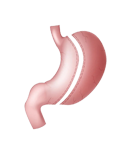
1. Gastric Sleeve (Sleeve Gastrectomy) in India

A large portion of the stomach is removed, leaving a sleeve shaped stomach. You feel full sooner and hormone signals change too.
Why people pick it: no intestinal rerouting, simpler than bypass for many patients, strong results.

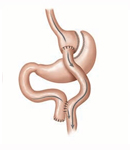
2. Gastric Bypass (Roux-en-Y) in India

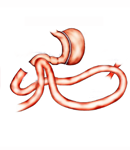
Creates a small stomach pouch and reroutes part of the small intestine.
Why people pick it: very strong weight loss outcomes, helpful for type 2
diabetes control in many cases.

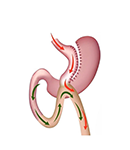
3. Mini Gastric Bypass (One Anastomosis Gastric Bypass) in India

A variant of bypass that is often shorter to perform, with one connection.
Why people pick it: effective, sometimes lower operative time, but needs a
surgeon experienced in this exact technique.

4. Adjustable Gastric Band (Lap Band) in India

A band is placed around the upper stomach to restrict intake.
Why it is less popular now: long term outcomes and complication rates have
made many surgeons move away from it.

5. Bariatric Revision Surgery in India

For people who had a prior bariatric procedure and need correction or
conversion.
This can be more complex and more expensive. Also, not every hospital is
good at revisions. Choose carefully.

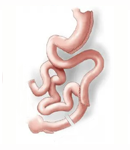
6. Sleeve With loop bipartition or Sleeve plus Surgeries

How much does weight loss surgery cost in India (typical ranges)

Prices vary by city, hospital tier, surgeon reputation, and how complicated your case is. But realistic ballpark ranges for self pay patients often look like this:

  • Gastric Sleeve in India: roughly INR 3.0 to 3.5 lakhs (approx USD 3,000 to 3,500)
  • Gastric Bypass in India: roughly INR 3.5 to 4.5 lakhs (approx USD 3500 to 4500)
  • Mini Gastric Bypass: often similar to bypass, sometimes slightly lower, depending on center
  • Revision surgery: can be INR 5 to 7 lakhs (approx INR 5 to 7 lakhs USD 5,000 to 7,000+)

If you are comparing with the US where bariatric surgery can easily run USD 15,000 to 30,000+ , you can see why India is on the shortlist.
But do not stop at the surgery price alone. Budget for the full trip.

Travel budget reality check

If you are coming from outside India, consider:

  • flights
  • hotel stays (before admission, after discharge)
  • local transport
  • companion costs if someone travels with you
  • extra days in case recovery is slower than expected
  • follow up visits, medications, lab tests

Even after all that, many patients still end up far below Western costs. Just do not get surprised by the add ons.

What is usually included in an “all inclusive” bariatric package

Hospitals in India often offer bundled packages. Some are genuinely comprehensive. Some are “inclusive” in marketing only.
Typically included:

  • surgeon fee
  • anesthesia fee
  • OT charges
  • hospital stay (often 2 to 4 nights depending on procedure)
  • standard room category (not always deluxe)
  • basic pre op workup (blood tests, ECG, chest X ray)
  • dietician counseling (sometimes limited sessions)

Often not included, or included only partially:

  • ICU stay if unexpectedly needed
  • complications management (read the fine print)
  • advanced imaging if required
  • treatment for unrelated conditions discovered during workup
  • higher room categories
  • extended stay beyond package days
  • some medications after discharge
  • follow up after you return home (teleconsults may be extra)

Ask for the package inclusions in writing.

Who qualifies for weight loss surgery (common criteria)

Most bariatric programs follow international guidelines with some variation.
Typical eligibility:

  • BMI 40+, or
  • BMI 35+ with obesity related conditions (type 2 diabetes, sleep apnea, hypertension, fatty liver, joint issues), and sometimes
  • BMI 30 to 35 in select cases with poorly controlled diabetes or metabolic disease, depending on surgeon and guidelines used

You also need:

  • ability to follow post op diet and supplementation
  • psychological readiness (some hospitals do a psych evaluation)
  • realistic expectations and willingness to attend follow ups

This part matters. Surgery is not a magic reset. It is a tool that works insanely well when you actually use it properly. Vitamins, protein, hydration, movement, follow up labs. The boring stuff.

Best cities in India for bariatric surgery (and why)

India is huge. Medical quality is not evenly distributed. You will find excellent bariatric programs in many places, but some cities are simply easier for international patients.
Common medical tourism hubs:

  • Chandigarh: lots of large multi specialty hospitals, international patient departments, flight connectivity. Dr Amit Garg and CODSILS is the main reason people prefer Chandigarh
  • Mumbai: high end private hospitals, strong surgical talent pool
  • Bengaluru: good corporate hospitals, strong systems and follow up culture in many centers
  • Chennai: known for cost effective care with solid quality in many hospitals
  • Hyderabad: competitive pricing, multiple reputable bariatric teams
  • Kochi: popular for some international patients, calmer pace, good hospitals

Instead of picking a city first, pick the surgeon and hospital first. Then the city follows.

How to choose the right hospital and surgeon (this is where people rush)

If you are trying to keep it affordable, you might be tempted to just chase the lowest quote.
Try not to.
A good selection checklist:

Surgeon focused questions

  • How many sleeve or bypass procedures do you perform per year
  • What is your leak rate and major complication rate, roughly
  • Are you trained specifically in bariatric and metabolic surgery
  • Do you do the surgery yourself or is it a rotating team
  • What is your approach to follow up and long term monitoring
  • How do you handle gallstones, reflux, or hiatal hernia if found

You want clear answers. Not defensive, not vague.

Hospital focused questions

  • Is the hospital accredited (NABH is common in India, JCI exists in some centers)
  • Do they have an ICU and specialists on call
  • Is there a dedicated bariatric coordinator and dietician
  • Do they have protocols for DVT prevention, early mobilization, pain control
  • Do they provide structured diet stages and supplementation plans

You are not being “difficult” by asking. This is your body.

The surgery experience in India, what it often looks like

Every hospital is different, but the general flow is pretty consistent.

Before surgery

You arrive, you meet the surgeon and team, you do pre op workup. Blood tests, imaging if needed, sometimes an endoscopy, sometimes a pulmonology or cardiology clearance if you have risk factors.

You will likely be asked to do:

  • a pre op diet (often liquid or low carb) for liver shrinkage
  • stop smoking, stop alcohol, adjust medications
  • plan for post op diet stages

Hospital stay

Most sleeve patients stay around 2 to 3 nights. Bypass can be 3 to 4 nights. Some discharge earlier, but I personally think an extra night is not the worst thing. Especially if you flew in.
Pain is usually manageable. Walking starts early. Sips of water, then clear liquids.

After discharge

You will be on staged diet progression. Clear liquids, full liquids, pureed, soft, then regular textured food. The timeline varies by surgeon.

You also start:

  • vitamins and minerals (this is non negotiable, especially for bypass)
  • protein supplementation
  • hydration goals

Expect fatigue. Mood swings sometimes. Weird taste changes. This is normal, within reason.

Hidden costs and common mistakes (so you do not step on the same rake)

Here are the common “I wish I knew this earlier” items.

1. You might need extra days in India

If you are traveling internationally, plan to stay at least 10 to 14 days total, sometimes longer depending on surgeon preference and your healing.
Flying too early increases risk of clots, dehydration, discomfort, and just overall misery.

2. Cheap quotes sometimes exclude essentials

Some quotes do not include:

  • stapler charges
  • consumables
  • compression stockings
  • OT time beyond a set limit
  • management of comorbidities

Always get a written inclusion list.

3. Follow up care at home needs planning

Weight loss surgery is not a one time thing. You need follow up labs, vitamin monitoring, sometimes medication adjustments, and a primary doctor who is not hostile to bariatric patients.

Before you fly, ask for:

  • operative notes
  • discharge summary
  • diet plan
  • supplement plan
  • schedule for labs (3 months, 6 months, 12 months, annually)
  • contact email or WhatsApp for follow up questions

4. Do not ignore reflux symptoms

If you already have bad GERD, sleeve might worsen it in some patients. Bypass often helps reflux, but each case is unique. A pre op endoscopy and proper discussion matters here.

5. Revision surgeries are not bargain shopping territory

If you need a revision, choose a center that does revisions routinely. The cheapest option is rarely the safest in that category.

Is bariatric surgery in India safe

It can be very safe. India has world class surgeons and hospitals, especially in major cities and established centers. Many hospitals follow protocols comparable to international standards.

But safety depends on:

  • surgeon experience
  • hospital systems
  • your health status and preparation
  • post op monitoring and follow up compliance

So the honest answer is yes, it can be safe. But you have to choose carefully, and you have to do your part too.

How to start the process (simple steps)

If you are serious about doing this in India, here is a clean way to start without getting overwhelmed.

  • Shortlist 3 to 5 hospitals or surgeons based on reviews, credentials, and volume.
  • Request a video consultation and share your basic health info.
  • Ask for a written package quote with inclusions and exclusions.
  • Check what pre op tests you can do at home to save time in India.
  • Plan your stay with buffer days.
  • Arrange post op follow up back home and commit to lab monitoring.

And honestly, listen to your gut during consults. If the coordinator is pushy, if questions annoy them, if they promise unrealistic outcomes, it is okay to move on.

Expected weight loss results (rough idea, not a promise)

Results vary, but many patients see:

  • Sleeve: often around 50 to 70% excess weight loss over 12 to 18 months
  • Bypass: often around 60 to 80% excess weight loss over 12 to 18 months

Metabolic improvements, especially for type 2 diabetes, can happen quickly after bypass and sometimes after sleeve too.

But results depend heavily on follow up, protein intake, activity, sleep, and whether old habits quietly creep back in. It happens. You just correct course and keep going.

Final thoughts

Affordable weight loss surgery in India is real. The numbers can make sense even after flights and hotels. And there are surgeons there who do this every day, with strong outcomes, solid protocols, and real support systems.

Just do not treat “affordable” like “pick the lowest price and hope for the best”.

Pick experience. Pick a hospital that has systems. Ask the annoying questions. Get everything in writing. Plan your follow ups before you even board the flight.

If you do it that way, India can be not just the cheaper option, but the smart option.

Doctor-supervised fat loss injection consultation in Punjab

Make An Appointment

Call:6283337650

OR

    Name (required)

    Email Id (required)

    Phone Number (required)

    City

    Message for the Doctor (If Any)

    Frequently Asked Questions

    before image
    What are fat loss injections in Punjab and how do they work?

    Fat loss injections in Punjab are medical treatments that can aid weight loss by controlling appetite or targeting specific fat areas. They are not magic shots but work best under medical supervision combined with a lifestyle plan including diet, exercise, and sleep.

    Who typically benefits from prescription appetite control injections like GLP-1 in Punjab?

    These injections are usually for overweight or obese individuals, especially those with metabolic risk factors such as high blood sugar, PCOS with insulin resistance, fatty liver, hypertension, or sleep apnea. They help reduce appetite and cravings to support gradual fat loss.
    Can fat loss injections target belly fat specifically?

    Most fat loss injections do not allow targeted fat reduction like belly fat alone. Fat loss generally happens overall based on body metabolism, so addressing belly fat requires a comprehensive approach including diet, movement, stress management, and sometimes medical treatments.
    Why do people in Punjab seek weight loss injections?

    Common reasons include busy lifestyles with desk jobs causing low activity and extra snacking, metabolic issues like PCOS and insulin resistance, postpartum weight retention challenges, frustration with stubborn belly fat, health concerns beyond aesthetics, and the convenience of supervised treatment nearby.
    What types of fat loss injections are available in Punjab clinics?

    Typically you will find three categories: 1) Prescription appetite control injections (like GLP-1 based Semaglutide), 2) Nutrient-based shots that support overall health but aren’t primary fat loss treatments, and 3) Localized fat reduction injections for small targeted areas.

    How should one choose a clinic for weight loss injections in Punjab?

    Choose clinics that provide thorough screening including BMI and metabolic health markers, offer proper medical supervision and follow-up to adjust doses safely, focus on realistic goals beyond quick fixes, and integrate lifestyle counseling alongside injection treatments to avoid marketing hype.

    Weight loss surgery in Amritsar | Punjab | Dr Amit Garg

    before image

    Laparoscopic Bariatric & Metabolic Procedures

    before image

    Bariatric surgery is scientifically proven procedure that aims to help individuals with obesity achieve
    significant and sustainable weight loss by altering the digestive system. There are several types of
    bariatric procedures, each with its own approach and mechanism of action

    Roux-en-Y Gastric Bypass

    Roux-en-Y Gastric Bypass

    Read More

    Mini Gastric Bypass

    Mini Gastric Bypass

    Read More

    Sleeve Gastrectomy

    Sleeve Gastrectomy

    Read More

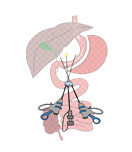
    Sleeve Gastrectomy with Proximal Jejunal Bypass

    Sleeve Gastrectomy with Proximal Jejunal Bypass

    Read More

    Loop Duodeno Jejunal with Sleeve Gastrectomy

    Loop Duodeno Jejunal with Sleeve Gastrectomy

    Read More

    Single Incision (Zero Scar) Bariatric Surgery

    Single Incision
    (Zero Scar)
    Bariatric Surgery

    Read More

    Fill our health questionnaire and find out if you are eligible for bariatric surgery

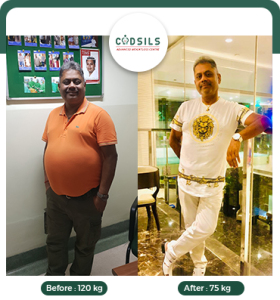
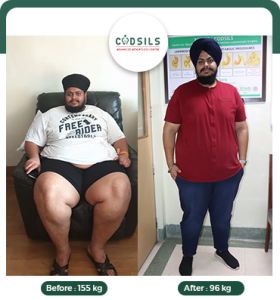
    Bariatric Surgery Results

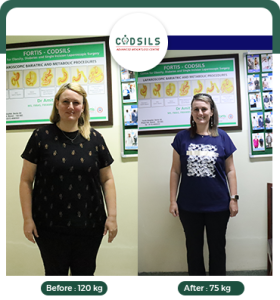
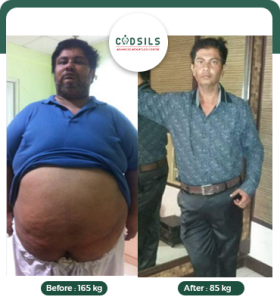
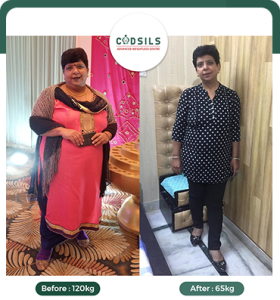
    before image
    3000+

    Bariatric Surgery

    2000+

    Metabolic Surgeries

    10000+

    Laparoscopic GI Surgeries

    Our Patient’s Testimonials

    before image

    Latest News

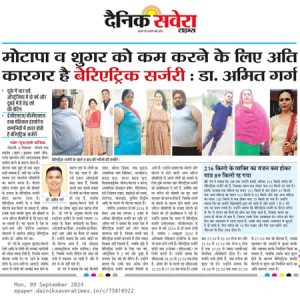
    before image

    Latest Events

    before image
    Translate »
    WhatsApp chat