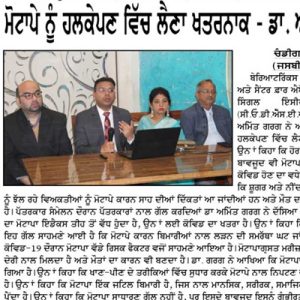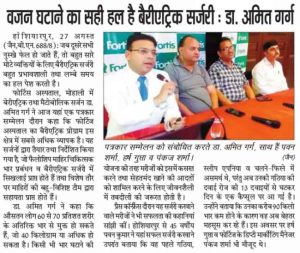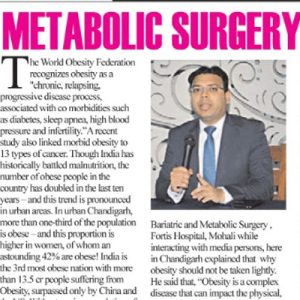




Top surgeon in Punjab (Laparoscopy) – Dr Amit Garg
Picking a top laparoscopic surgeon is not like picking a dentist for a routine cleaning. It’s a high stakes decision. Because it’s not just about “removing the gallbladder”
or “fixing the hernia” on paper.
Keep Reading
It’s about pain control after surgery, how fast you get back on your feet, whether you end up with a complication you never expected, and in gynecology cases, sometimes fertility too. The difference between a smooth recovery and a messy one can come down to skill, judgment, and the hospital setup behind the surgeon. A surgeon who is excellent for routine laparoscopic gallbladder surgery might not be the best fit for severe endometriosis or a recurrent hernia with prior mesh. Think of “top surgeon” as: top for your procedure, your level of complexity, and your health profile.
Why finding a top Laparoscopy surgeon Matters
Laparoscopy is minimally invasive surgery done through small incisions using a camera and long instruments.
When it’s done well, it can feel almost like modern medicine doing what it promised.
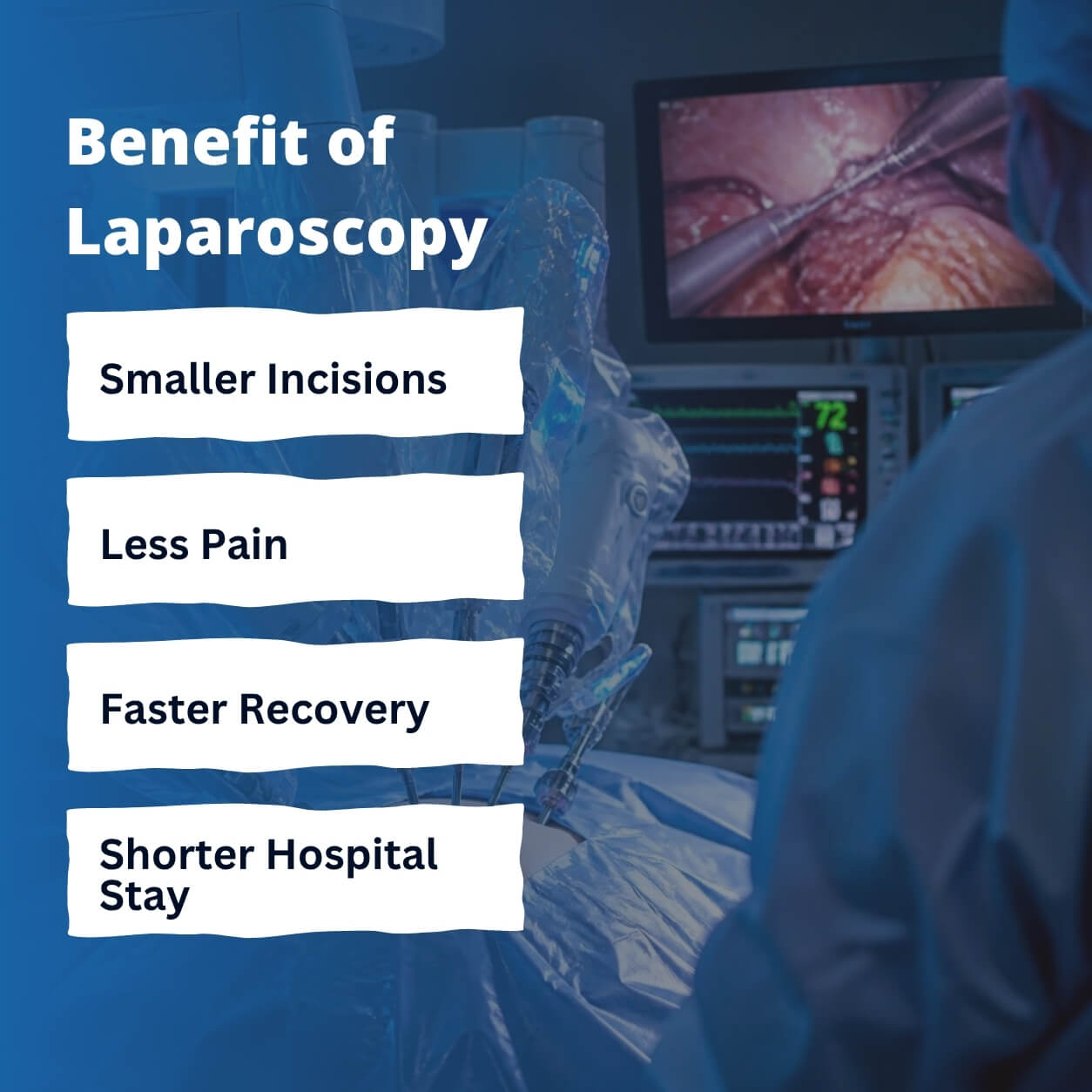
The usual benefits for patients
- Less pain compared to open surgery (not zero pain, just usually less).
- Smaller scars.
- Shorter hospital stay, often same day or 24 to 48 hours for many procedures.
- Faster return to normal routine and work.
- Lower wound infection risk in many cases.
But here’s the part people don’t talk about enough. Laparoscopy is not “easy surgery”. It’s surgery with a different set of skills.
Why surgeon expertise matters so much
A skilled laparoscopic surgeon is doing complex movements while looking at a screen, working in a limited space, controlling bleeding without big open access. And in the abdomen, important structures are close together.
This is where expertise affects real outcomes:
- Preventing complications like bleeding, bile duct injury (in gallbladder cases), bowel injury, bladder injury, ureter injury.
- Lower chance of conversion to open surgery, especially in inflamed, scarred, or complex cases.
- Better handling of adhesions, unexpected anatomy, or difficult dissection.
- Smoother recovery because the tissue handling and operative time are often better.
Also, the surgeon is not working alone. The quality of equipment, the anesthesia team, OT sterilization, nursing, ICU backup, and hospital protocols can quietly make a big difference. Sometimes the “best surgeon” in a weak setup is still not the best choice for a higher risk case.