


Loop Duodenojejunal Bypass | Diabetes Surgery – CODSILS
CALCULATE BMI

Loop Duodeno Jejunal Bypass with Sleeve Gastrectomy for Reversal of Type 2 Diabetes- Dr. Amit Garg | Codsils

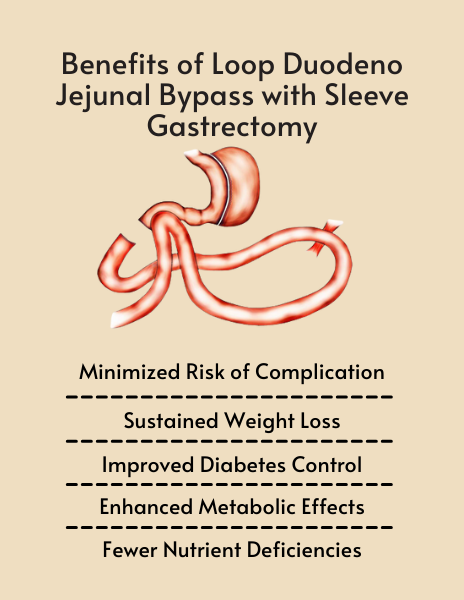
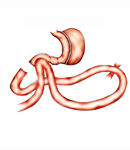
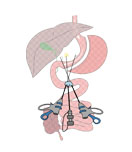
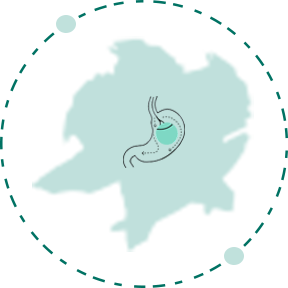
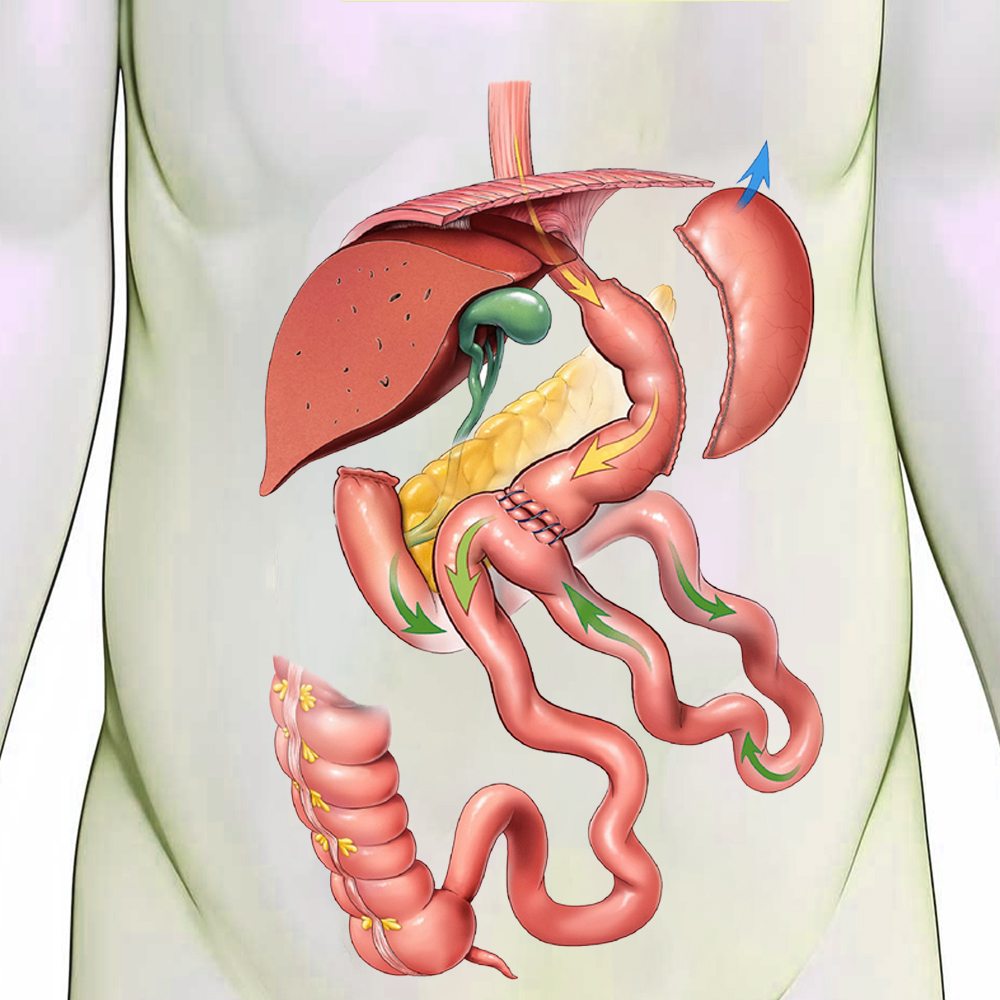
This procedure is done laparoscopically and includes 5 ports. It includes laparoscopic sleeve gastrectomy, division of duodenum between D1 and D2, approx 250 cm of jejunal bypass and duodenojejunal anastomosis.

Recovery process after Diabetes Surgery

After undergoing diabetes surgery, patients experience a streamlined recovery process

  • Patients are encouraged to walk on the same day as the surgery, promoting mobility and circulation.
  • Within six hours post-surgery, patients begin a liquid diet to gradually reintroduce nourishment.
  • Typically, patients are discharged from the hospital by the third day, indicating a smooth recovery.
  • Following discharge, patients can gradually resume their normal routine activities, marking the transition to post-operative life.

Mechanism of Diabetes Reversal

The mechanism behind how gastric sleeve with intestinal bypass facilitates diabetes reversal is multifaceted

  • Gastric sleeve surgery induces calorie restriction, which alleviates the burden on the pancreas. With a reduced load, the pancreas can more effectively match the amount of insulin produced.
  • Calorie restriction resulting from the surgery also promotes weight loss, thereby reducing insulin resistance and improving insulin sensitivity.
  • Intestinal bypass serves to enhance the incretin effect. By rerouting food to the terminal ileum at a faster pace, this stimulates the release of incretin hormones like GLP1 and PYY, which in turn trigger increased
    insulin secretion from the pancreas.

The combined impact of gastric sleeve with intestinal bypass creates a potent synergy, making it a highly effective tool for reversing type 2 diabetes.

Dr Amit Garg

Minimal Access Bariatric

Metabolic & GI Surgeon

LDJB DIABETES SURGERY
Make An Appointment

Call:6283337650

OR
    Name (required)

    Email Id (required)

    Phone Number (required)

    City

    Message for the Doctor (If Any)

    Candidate Criteria for Gastric Bypass Surgery

    Ideal candidates for gastric bypass surgery in Punjab include individuals with a BMI greater than 40 kg/m² or a BMI ranging from 35 to 39.9 kg/m² with serious obesity-related health problems such as type 2 diabetes, hypertension, or severe sleep apnea.

    Bariatric surgery is now covered by  health insurance companies in India from October 2020, making it accessible to more individuals seeking treatment for obesity and related health issues.

    Procedure Details and Recovery after Roux-en-Y or Gastric Bypass Surgery

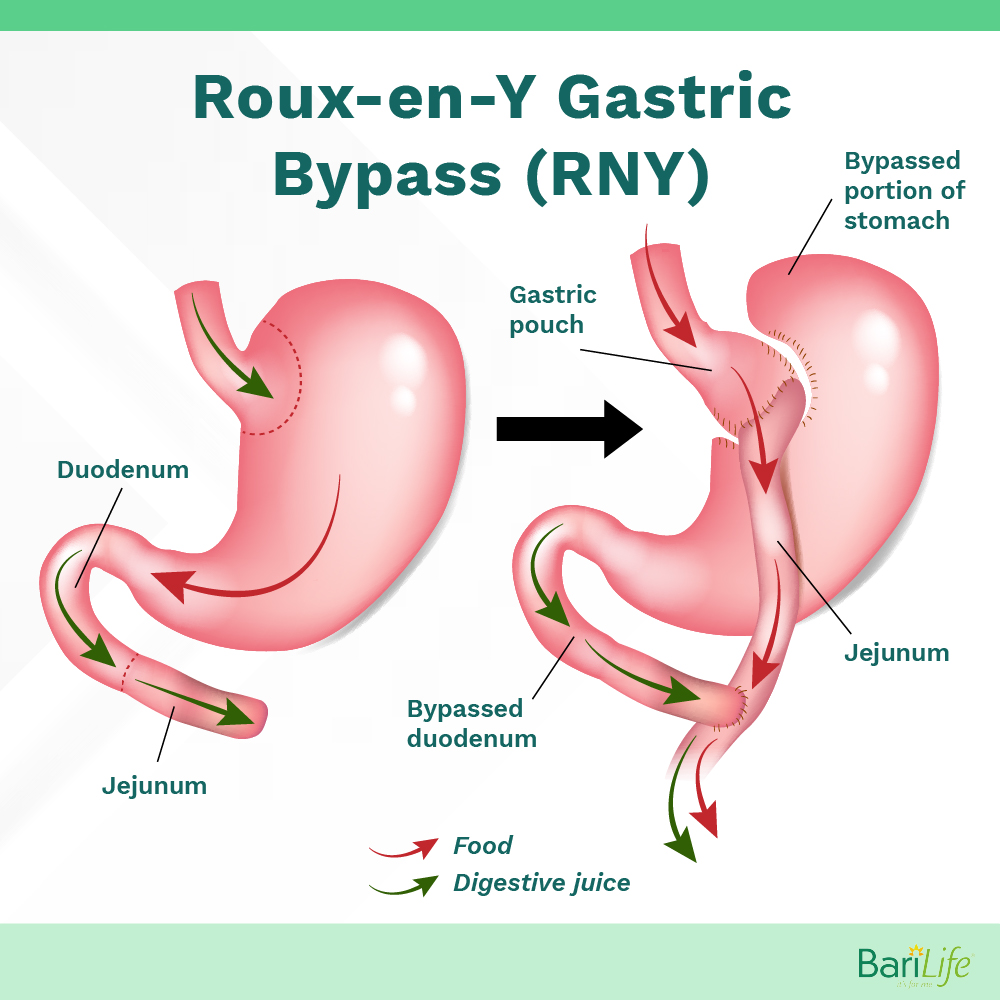
    LRYGB is performed laparoscopically under general anesthesia, with an approximate duration of 2 hours. Patients with BMI > 50 might require a pre surgery liquid diet in order to reduce the size of the left lobe of liver. For super obese patients, LRYGB might be difficult to perform and in these patients RYGB is done as a staged procedure. In the first stage gastric sleeve is done so that patients can lose 30-40 kgs of excess weight and then after 6 months gastric sleeve is converted into a gastric bypass so that patient can reach ideal weight.

    Keep Reading

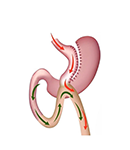
    During LRYGB, after port placements, the liver is retracted using Nathansons liver retractor. Lesser sac is opened at the level of the 2nd vessel on lesser curvature. Horizontal and then vertical staplers are fired in order to create a small stomach pouch of 30 cc. Ligament of Treitz is identified and 100 cm of small intestine is bypassed and connected to small stomach pouch . The intestine is divided using staplers proximal to the anastomosis and again connected to the distal intestine 100cm from gastrojejunostomy. Inter-mesenteric defect is closed and Petersons defect is closed to prevent formation of internal hernias using non absorbable sutures. A methylene blue dye leak test is done to check for leaks from Gastrojejunostomy. After achieving hemostasis, ports are closed.

    Possible Risks and Complications of Gastric Bypass Surgery in Punjab

    Like any abdominal surgery, LRYGB carries risks such as excessive bleeding, infection, leakage, bowel obstruction, dumping syndrome, gallstones, hernia, and malnutrition. However, with proper preoperative evaluation and postoperative care, these risks can be minimized, and patients can experience significant improvements in obesity-related conditions like gastroesophageal reflux disease, heart disease, hypertension, obstructive sleep apnea, and infertility.

    Gastric bypass for Type 2 diabetes / metabolic surgery for type 2 diabetes / Diabetes surgery in Punjab

    Gastric bypass was earlier done to treat Obesity but over the years, studies have shown diabetes remission of 83% in patients who have undergone gastric bypass surgery. Recently, Gastric bypass has regained popularity to treat type 2 diabetes in non-obese patients. It is recommended for patients with BMI > 27.5Kg/m2 as the second line of treatment. In a modified RYGB to treat Type 2 diabetes, biliopancreatic limb is kept 150cm in spite of 100 cm and alimentary limb is kept 100cm.

    Keep Reading

    LRYGB has shown better results in diabetes remission as compared to mini gastric bypass and sleeve gastrectomy. In a comparative study with Loop duodenojejunal bypass (LDJB), LDJB has shown diabetes remission of 94%. RYGB is going to be the best procedure for patients with Type 2 diabetes.

    Conclusion

    Laparoscopic Roux-en-Y Gastric Bypass in Punjab, India, offers a gold standard surgical option for achieving substantial and long-term weight loss in eligible patients. With the expertise of Dr. Amit Garg and advancements in bariatric surgery, individuals can achieve improved health and quality of life through sustainable weight management.

    Frequently Asked Questions

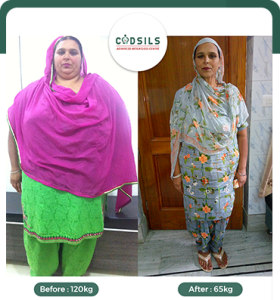
    before image
    Who is a candidate for Diabetes Surgery

    Candidates eligible for gastric sleeve with Loop Duodeno Jejunal Bypass, also known as metabolic or diabetes surgery, include:

    • Individuals with a BMI exceeding 35 Kg/m2 who are diagnosed with Type 2 diabetes.
    • Patients with a BMI greater than 27.5 who exhibit inadequate control of Type 2 diabetes despite undergoing medical therapy.
    Advantages of Sleeve Gastrectomy with Loop Duodeno Jejunal Bypass
    • Highly effective for reversing diabetes.
    • Short duration of surgery, typically around 90 minutes.
    • Reduced risk of obstruction or internal hernias.
    • Minimal likelihood of malnutrition.
    • A physiological procedure, aligning with the body’s natural functions.
    Life after Diabetes Surgery

    Life after diabetes surgery entails a return to normalcy for patients. Patients are encouraged to commence liquid intake on the same day as the surgery, starting with small sips. Within one month, most patients can transition to a regular diet. Many patients express satisfaction following metabolic surgery, as it often leads to diabetes remission within the first month for a majority of them. The primary goal of metabolic surgery is to achieve an HbA1c level of less than 6.5 without the need for oral medications. For sustained success with sleeve with Loop Duodeno Jejunal Bypass or diabetes surgery, it is crucial to steer clear of high-calorie foods and liquids, prioritizing a high-protein diet coupled with regular exercise.

    Cost of Diabetes Surgery

    Cost of diabetes surgery in India, particularly in Punjab, varies depending on several factors. At CODSILS Punjab, the average cost typically ranges from 3.5 lakhs to 4.0 lakhs, influenced by factors such as room category and choice of hospital. For detailed information on the cost of bariatric surgery in India, we recommend visiting our page dedicated to this topic.

    Side Effects of Diabetes Surgery

    Side effects of diabetes surgery may manifest if patients fail to adhere to prescribed dietary guidelines post-surgery. While these procedures are potent tools for diabetes remission, sustaining positive outcomes necessitates a commitment to a healthy lifestyle and dietary habits.
    To mitigate side effects, strict adherence to guidelines is imperative, especially in avoiding high-calorie intake for long-term glycemic control. Some common side effects of diabetes surgery include nutritional deficiencies, mild hair loss, anemia, and loose motions. Regular supplementation of essential nutrients such as calcium, multivitamins, proteins, and iron is recommended post-surgery.
    Concerns regarding sexual function after metabolic surgery stem from underlying neuropathy and dyslipidemia commonly associated with Type 2 Diabetes. While dyslipidemia resolves post-surgery, neuropathy recovery may take time. Opting for surgery before irreversible damage occurs is advised. Post-surgery, patients often experience improved libido, facilitated by Type 2 Diabetes control. A low-calorie, high-protein diet coupled with regular exercise can further enhance sexual function.

    Possibility of Recurrence of Diabetes

    The possibility of Type 2 diabetes recurrence post-metabolic surgery is minimal if weight is maintained, along with adherence to diet and exercise regimens. Long-term follow-up studies haven’t reported diabetes recurrence among patients.

    Diabetes Surgery to Medical Therapy

    When comparing diabetes surgery to medical therapy, both aim to control blood sugars and lower HbA1c levels. However, surgery helps delay disease progression, whereas medical therapy may not prevent diabetes-related complications such as retinopathy, neuropathy, and cardiopathy, as it doesn’t address dyslipidemia. Recent guidelines advocate bariatric surgery as the first-line treatment for individuals with a BMI exceeding 40 Kg/m2 and Type 2 diabetes.

    Loop Duodeno Jejunal Bypass PJB Superior to Gastric Sleeve Alone

    While gastric sleeve alone can lead to the resolution of Type 2 Diabetes in morbidly obese patients, the addition of intestinal bypass to the sleeve offers enhanced benefits for individuals with poor pancreatic function. This combination aims to increase insulin production and achieve better control of Type 2 Diabetes. Dr. Amit Garg assesses pancreatic function and other relevant parameters to determine whether sleeve gastrectomy alone suffices or if an intestinal bypass is necessary for optimal diabetes management.

    Best Hospital for Diabetes Surgery

    When considering the best hospital for diabetes surgery in Punjab, it’s essential to select a center equipped to handle the unique needs of patients with poorly controlled diabetes and compromised immunity. Such cases require a multidisciplinary team approach, with all necessary specialists available under one roof. Additionally, the experience of the surgeon plays a pivotal role. Opting for an experienced diabetes surgeon in a reputable multispecialty hospital ensures comprehensive care.
    While New Delhi may be sought after by international patients for diabetes surgery, it’s crucial to note that only a select few surgeons perform metabolic surgery for Type 2 Diabetes due to its complexity. Dr. Amit Garg, a Senior Consultant bariatric and metabolic surgeon at Fortis Hospital in Mohali, Punjab, India, stands out as the premier surgeon for diabetes surgery in the country. His team offers affordable packages tailored to patients without insurance coverage, ensuring accessibility to quality care.

    Is diabetes surgery considered safe in India?

    In the hands of skilled professionals, metabolic procedures are indeed safe. Dr. Amit Garg and his proficient team have effectively performed metabolic surgeries for patients with poorly managed diabetes, hailing from diverse regions across India and abroad. At CODSILS, we adhere strictly to international safety standards throughout the entire surgical process—from pre-surgery preparations to the procedure itself and post-operative care. Utilizing laparoscopic techniques ensures swift recovery, enabling patients to resume their regular activities soon after discharge.
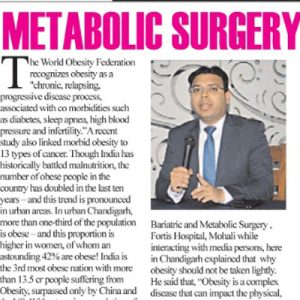
    Dr. Amit Garg, hailed as the premier metabolic surgeon in Punjab, is renowned for his expertise in addressing diabetes through surgical means. Serving as a senior consultant at Fortis Hospital in Mohali, Punjab, India, Dr. Garg stands as a trailblazer in the field. His pioneering work includes the introduction of sleeve gastrectomy with Loop Duodeno Jejunal Bypass to India, a procedure that has seen remarkable success in treating Type 2 Diabetes. With an extensive career spanning over more than a decade and half, Dr. Garg has profoundly impacted the lives of thousands, facilitating the reversal of diabetes for many.

    Read more...


    In 2014, Dr. Garg achieved another milestone by becoming the first surgeon in Punjab, India to perform loop duodenojejunal bypass for Type 2 diabetes in non-obese patients. His dedication to advancing metabolic surgery led him to undergo rigorous training under the esteemed Dr. C. K. Huang at E-DA Hospital in Taiwan.
    Founding the Centre of Obesity, Diabetes, and Single Incision Laparoscopic Surgery (CODSILS) in Mohali, India in 2014, Dr. Garg envisioned a hub dedicated to raising awareness and providing specialized care for weight loss and diabetes surgery in the Punjab region. Collaborating with esteemed multispeciality hospitals such as Fortis Hospital, Ivy Hospital, and Shalby Hospital, Dr. Garg has expanded the reach of metabolic surgeries in the area.
    For those seeking diabetes reversal or the expertise of a top-notch surgeon for Type 2 diabetes in India, Dr. Amit Garg stands as a singular option in North India. Offering various metabolic procedures tailored to both obese and non-obese patients, Dr. Garg addresses a growing need in the medical community. With the endorsement of global health organizations like the WHO, International Diabetes Federation, and Diabetes UK, metabolic surgery for diabetes has gained widespread recognition. Among these procedures, the sleeve with Loop Duodeno Jejunal Bypass or intestinal bypass emerges as a particularly effective and physiologically sound method for reversing Type 2 diabetes.

    Less

    Highlights – Gastric Bypass Surgery /weight loss surgery in Punjab, India

                • Highlights – Gastric Bypass Surgery /weight loss surgery in Punjab, India
                • The approximate duration of the surgery is 2 hours, and patients are encouraged to walk on the same day of the procedure
                • It is a potent surgical intervention for addressing obesity and type 2 diabetes.
                • Globally recognized as the gold standard procedure for weight loss.
                • The majority of patients are discharged on the third day post Roux-en-Y Gastric Bypass (RYGB) surgery.
                • Liquid diet initiation occurs shortly after the completion of gastric bypass surgery.
                • Lifelong supplementation of multivitamins, iron, and calcium is essential following Gastric Bypass.
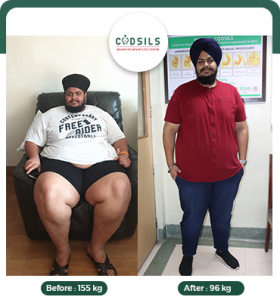
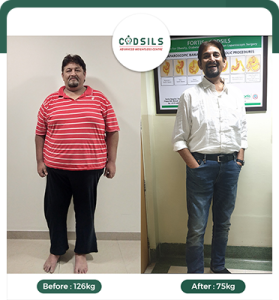
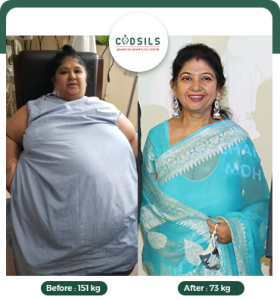
                • Expect around 70% excess weight loss within one year, with long-term efficacy.
                • Expect around 70% excess weight loss within one year, with long-term efficacy.
                • It may lead to improvement or resolution of conditions commonly associated with obesity, including Gastroesophageal reflux disease, heart disease, high blood pressure, obstructive sleep apnea, and infertility.

    Dr. Amit Garg is recognized as the best surgeon for Gastric Bypass surgery / weight loss surgery in Punjab, providing comprehensive care and long-term support to patients on their weight loss journey. He has extensive experience in performing various bariatric or metabolic surgery procedures and has more than 2000+ successful cases to his credit.

    Laparoscopic Bariatric & Metabolic Procedures
    before image

    Bariatric surgery is scientifically proven procedure that aims to help individuals with obesity achieve
    significant and sustainable weight loss by altering the digestive system. There are several types of
    bariatric procedures, each with its own approach and mechanism of action

    Roux-en-Y Gastric Bypass

    Roux-en-Y Gastric Bypass

    Read More

    Mini Gastric Bypass

    Mini Gastric Bypass

    Read More

    Sleeve Gastrectomy

    Sleeve Gastrectomy

    Read More

    Sleeve Gastrectomy with Proximal Jejunal Bypass

    Sleeve Gastrectomy with Proximal Jejunal Bypass

    Read More

    Loop Duodeno Jejunal with Sleeve Gastrectomy

    Loop Duodeno Jejunal with Sleeve Gastrectomy

    Read More

    Single Incision (Zero Scar) Bariatric Surgery

    Single Incision
    (Zero Scar)
    Bariatric Surgery

    Read More

    Fill our health questionnaire and find out if you are eligible for bariatric surgery

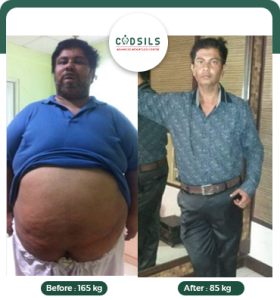
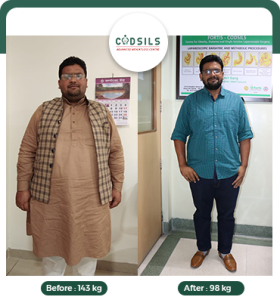
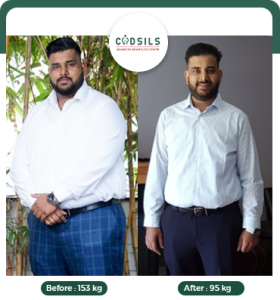
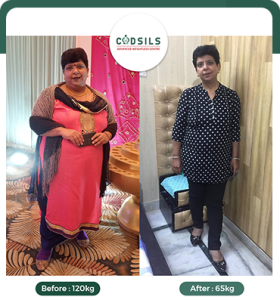
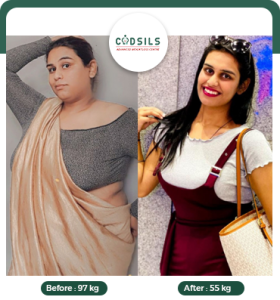
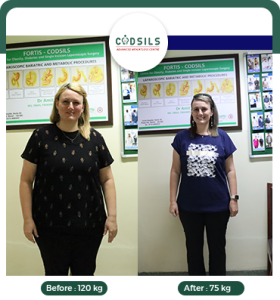
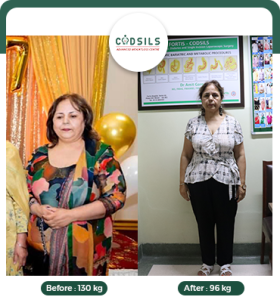
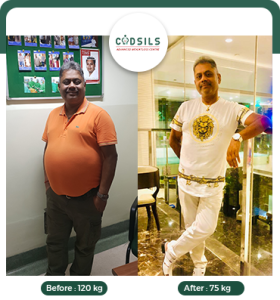
    Bariatric Surgery Results
    before image
    3000+

    Bariatric Surgery

    2000+

    Metabolic Surgeries

    10000+

    Laparoscopic GI Surgeries
    Our Patient’s Testimonials

    before image

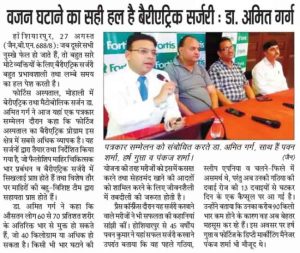
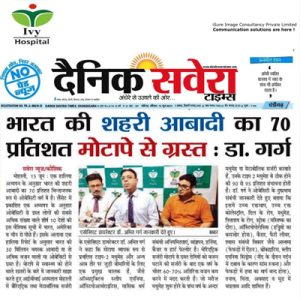
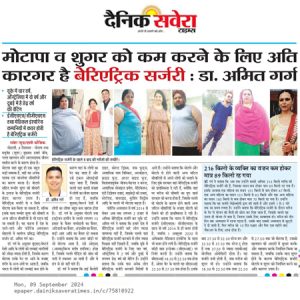
    Latest News

    before image

    Latest Events

    before image
    Translate »
    WhatsApp chat