


Bariatric Surgery for Fatty Liver in Punjab | Dr Amit Garg
CALCULATE BMI

Bariatric Surgery for Fatty Liver in Punjab – Dr Amit Garg

Fatty liver has quietly become one of those “everybody has it” problems in Punjab. Fatty liver can stay mild for years, sure. But in some people, it slowly turns into inflammation, scarring, and real liver damage. And if obesity or type 2 diabetes is in the picture, the risk of progression goes up.

Keep Reading

If you live in Punjab and you are dealing with fatty liver, obesity, prediabetes, type 2 diabetes, or all of the above, and you are trying to figure out what actually works.

Lifestyle change and medical treatment come first for almost everyone. Bariatric or metabolic surgery is not a “first step”. But for eligible patients, bariatric surgery for fatty liver can be one of the strongest tools we have to improve liver and overall metabolic health. In Punjab, many patients explore these options through experienced bariatric teams, including consultations in the context of Bariatric Surgery – Dr Amit Garg
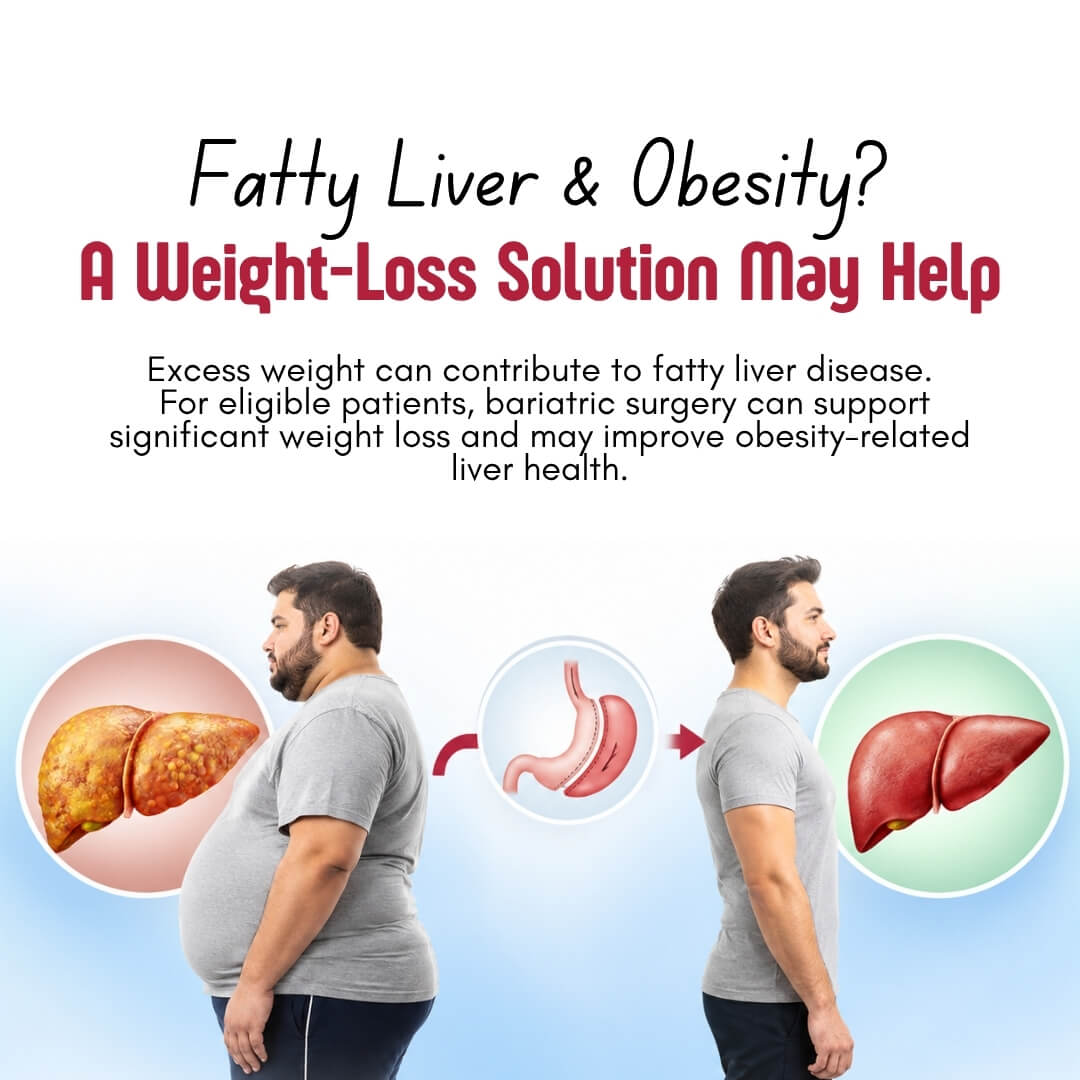
What is fatty liver (hepatic steatosis) and why it happens

Fatty liver, also called hepatic steatosis, simply means extra fat is stored inside your liver cells. A little fat in the liver can be normal. But when it crosses a certain point, it becomes a medical problem.

There are two broad buckets:

Keep Reading
  • Metabolic fatty liver (previously NAFLD, now often called MASLD). This is the most common one now, linked to weight, insulin resistance, cholesterol and triglycerides, and diabetes.
  • Alcohol related fatty liver, where alcohol is the primary driver.

Not everyone progresses, and that’s important. But the pathway looks like this:

Simple steatosis (fat) → steatohepatitis (fat + inflammation, often called NASH/MASH) → fibrosis (scarring) → cirrhosis (advanced scarring and liver dysfunction)

The goal is to catch it early, reduce the liver fat, and lower the risk of fibrosis.

Fatty liver symptoms

Most people with early fatty liver have no symptoms at all. That is why it gets missed.

If symptoms do happen, they are usually vague and easy to blame on stress or routine life:

  • Persistent fatigue or low energy
  • A sense of heaviness or mild discomfort in the right upper abdomen
  • Bloating
  • Reduced stamina

You should take it more seriously if you have any of these situations:

  • Liver enzymes are repeatedly abnormal (ALT or AST)
  • Ultrasound shows fatty liver
  • You have obesity, type 2 diabetes, prediabetes, or high triglycerides
  • Strong family history of diabetes, obesity, or liver disease

If you have red flags like jaundice (yellow eyes), swelling in the belly or legs, vomiting blood, black stools, confusion, or severe abdominal pain, that is not “fatty liver discomfort”. That needs urgent medical evaluation.

How fatty liver is diagnosed and staged before treatment

Typical workup includes:

  • History (alcohol intake, medicines, supplements)
  • Physical exam (waist circumference, blood pressure, signs of insulin resistance)
  • Blood tests (ALT/AST, bilirubin, platelets, lipid profile, fasting glucose and HbA1c)
  • Ultrasound abdomen (often the first imaging that picks it up)

But the more important part is staging. Because “fatty liver” on ultrasound doesn’t tell us whether you have inflammation or scarring.

Common non-invasive tools include:

  • FibroScan (transient elastography) to estimate liver fat and stiffness (stiffness can suggest fibrosis)
  • Fibrosis scores like FIB 4 or NAFLD fibrosis score, calculated from routine blood tests and age

A liver biopsy is usually reserved for selected cases where the diagnosis is unclear, or when knowing the exact stage would change treatment decisions.

If you are considering bariatric surgery for fatty liver, this pre-surgery liver assessment matters even more. The surgical team wants to understand liver size, liver health, and fibrosis risk to plan safely.

First line fatty liver treatment: what works before surgery

Weight loss and metabolic improvement are the core treatments for metabolic fatty liver.

Even a modest, steady reduction in weight can reduce liver fat. Bigger, sustained changes can improve inflammation and sometimes even fibrosis risk.

A practical food strategy usually looks like:

  • A consistent calorie deficit (not crash dieting)
  • Higher protein to protect muscle and control hunger
  • Higher fiber (vegetables, pulses, whole foods)
  • Cutting down refined carbs and sugary drinks
  • Reducing ultra processed foods and frequent snacking

Alcohol depends on your diagnosis and your liver status. If alcohol is a driver, it needs to stop. Even in metabolic fatty liver, many doctors advise reducing or avoiding alcohol because it adds extra load to the liver.

Many patients do the right things for a few weeks, lose some weight, then regain it. Or diabetes stays uncontrolled despite multiple medicines. That is where bariatric surgery for fatty liver can become a serious option.

The ‘liver cleanse/detox’ question

People search for this all the time: “liver cleanse for fatty liver”, “fatty liver natural detox”, “best ayurvedic detox”.

Simple truth. Your liver already detoxes. That is literally its job. Most detox products have weak evidence, and some can actually harm the liver, especially if they are unregulated herbal mixes.

So what is a safe detox in real life?

  • Stop alcohol
  • Cut sugar, sweets, bakery items, and sugary beverages
  • Eat simpler, less processed food for a few months, not 3 days
  • Hydrate properly
  • Walk daily and build basic activity back in
  • Manage diabetes, triglycerides, and sleep
  • Avoid unnecessary supplements unless your doctor recommends them
Fatty liver and type 2 diabetes: why they come together

Fatty liver and type 2 diabetes often travel together because they share the same core problem: insulin resistance.

Fatty liver is not just a passive storage issue. It can actively worsen metabolic dysfunction. It can increase insulin resistance, raise triglycerides, and make glucose control harder. And when diabetes is present, the risk of liver inflammation and fibrosis tends to be higher.

The overlap in treatment is big:

  • Better glucose control
  • Weight loss
  • Triglyceride management
  • Blood pressure control
  • Sleep apnea treatment if present

Metabolic or Bariatric surgery for fatty liver comes into this conversation because, in eligible patients, it can lead to major improvement in glucose control and a strong reduction in liver fat. Not a guarantee. But a well documented pattern in clinical practice.

When bariatric surgery becomes the best option for fatty liver

Bariatric surgery is usually considered when obesity is significant, especially when it is accompanied by conditions like type 2 diabetes, fatty liver, sleep apnea, high blood pressure, or joint issues.

Eligibility is typically BMI based, and many guidelines use BMI thresholds (commonly BMI 35 with comorbidities, or BMI 40, and in some cases BMI 30 to 35 with uncontrolled diabetes).

Signs you may benefit include:

  • Long standing obesity
  • Multiple serious attempts at diet and exercise without lasting results
  • Worsening type 2 diabetes or increasing medication needs
  • Higher fibrosis risk on FibroScan or fibrosis scoring
  • Quality of life issues (sleep apnea, mobility, fatigue)

Who may not be suitable right away?

  • Uncontrolled alcohol use
  • Untreated or unstable psychiatric illness
  • Severe medical instability that needs optimization first
How bariatric surgery helps reduce fatty liver

After bariatric surgery, liver fat often drops relatively quickly. Part of it is because calorie intake falls and weight starts coming down, but there is more happening under the hood.

  • Insulin sensitivity improves, sometimes early, even before major weight loss
  • Gut hormones change, affecting appetite, fullness, and glucose regulation
  • Triglycerides often improve
  • Sleep apnea and inflammation can improve with sustained weight loss

What do patients typically see over time? Often, improvement in liver enzymes, reduced fat in the liver on imaging, and better diabetes control. But realism matters. If there is fibrosis, regression can take longer, and it depends on ongoing habits and follow up.

Surgery is not a replacement for lifestyle. It is a powerful tool that makes lifestyle doable.

Types of Bariatric Surgery for Fatty Liver in Punjab

In Punjab, the most common bariatric procedures discussed for metabolic disease and fatty liver are:

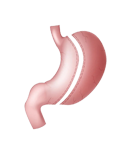
  • Sleeve gastrectomy
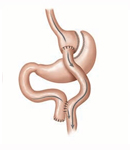
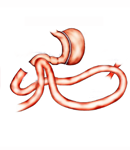
  • Roux en Y gastric bypass
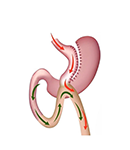
  • In some centers, one anastomosis gastric bypass (mini bypass) is also considered

How do doctors choose? It is not one size fits all. Factors include:

  • Your BMI and weight history
  • Diabetes severity and medication burden
  • Acid reflux (GERD)
  • Eating patterns (sweet eating, grazing)
  • Nutritional risk and anemia risk
  • Previous abdominal surgeries
  • Patient preference after counseling

Sleeve gastrectomy for Fatty Liver in Punjab

  • Pros: simpler anatomy, no intestinal bypass, strong weight loss tool
  • Cons: reflux can worsen in some patients, long term habits matter a lot

Roux en Y gastric bypass for fatty liver in Punjab

  • Pros: strong metabolic and diabetes impact, can help reflux in many patients
  • Cons: more complex surgery, more supplementation and follow up needs
Preparing for Bariatric Surgery for Fatty Liver

For patients planning bariatric surgery for fatty liver, one big goal is to reduce liver size and intra abdominal fat, because that makes surgery safer.

Typical steps include:

  • A supervised diet plan, often protein forward
  • Stopping alcohol
  • Optimizing diabetes, thyroid issues, and blood pressure
  • Screening and treating sleep apnea if suspected
  • Nutrition counseling and supplement planning
  • Psychological assessment (not to judge you, just to support long term success)

Common tests:

  • Blood tests including liver profile, sugars, lipids, vitamins
  • ECG and fitness evaluation
  • Ultrasound and sometimes FibroScan
  • Anesthesia assessment

Medication adjustments are especially important for diabetes. Doses often need changes before and after surgery. This should be coordinated with the team, not done on your own.

The “fitness for surgery” evaluation basically means: are we doing this at the safest time, with risks minimized, and with a plan for aftercare.

What to expect after surgery: recovery, diet stages, and liver improvement timeline

Recovery varies by procedure and by patient, but most people are surprised by how much the basics matter: walking, hydration, and sticking to the diet stages.

Early recovery usually involves:

  • A short hospital stay (your surgeon will guide what is typical for the procedure and your health)
  • Pain control and breathing exercises
  • Early walking to reduce clot risk
  • Focus on fluids

Diet progression is usually staged:

  1. Liquids
  2. Purees
  3. Soft foods
  4. Regular small portions

Protein becomes non-negotiable, and supplements become routine. This is where structured follow up helps a lot.

Monitoring after surgery typically includes:

  • Liver enzymes
  • HbA1c and glucose trends
  • Lipid profile
  • Vitamin and mineral levels

Many patients notice appetite changes and better glucose control early. After bariatric surgery for fatty liver, liver markers and imaging often improve over months, not overnight.

Long term success habits are boring, but they work:

  • Portion control
  • Strength training (to protect muscle)
  • Avoiding grazing and sugary liquids
  • Regular follow ups even when you feel fine
Choosing the right bariatric surgeon/hospital in Punjab

What to look for:

  • An experienced bariatric surgeon
  • A multidisciplinary team (physician, anesthetist, dietitian, psychologist)
  • A structured follow up system for months and years, not just 7 days

If you are exploring local care, Bariatric Surgery – Dr Amit Garg is one option patients in Punjab consider for evaluation and a personalized plan for bariatric surgery for fatty liver, especially when it is part of a broader metabolic picture.
A practical action plan to start reducing fatty liver

Step 1: Confirm and stage it

Get a proper workup. Ultrasound is a start, but discuss fibrosis assessment (FibroScan or scores) if you have obesity, diabetes, or long standing fatty liver.

Step 2: Do a structured 8 to 12 week trial

Not “eat less from tomorrow”. Structured. Protein forward meals, fewer refined carbs, daily walking, better sleep, alcohol stop, diabetes optimization with your doctor.

Step 3: Recheck and review

Repeat labs and any imaging your clinician advises. See if the trend is improving, stable, or worsening.

Step 4: If you are eligible and still struggling, ask about bariatric surgery for fatty liver

Fatty liver is reversible for many people, especially when you catch it before advanced fibrosis. The best outcomes usually come from a clear plan and consistent follow up. Not perfection. Just consistency, month after month.

Dr Amit Garg
Minimal Access Bariatric
Metabolic & GI Surgeon

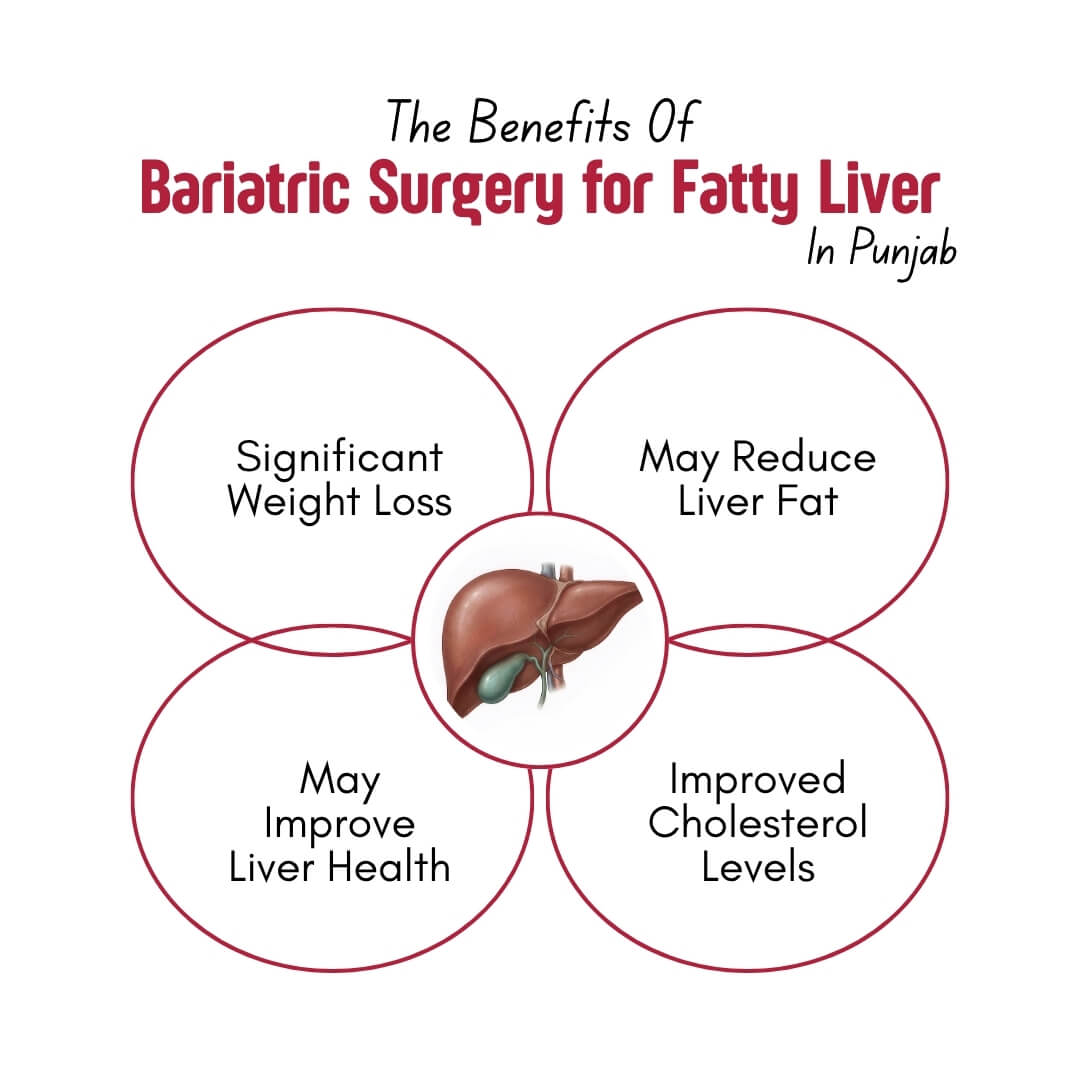
Benefits of bariatric surgery (weight + diabetes + quality of life)

Results vary, but bariatric surgery has a strong evidence base.

Weight loss

Many patients lose around 50 to 70 percent of excess body weight within the first year, depending on the procedure and adherence to the plan.

Metabolic benefits

  • Blood sugar often improves significantly
  • Many patients reduce diabetes medicines
  • Some patients experience remission of type 2 diabetes, especially if diabetes duration is shorter and pancreatic function is better. But it should not be promised as guaranteed.

Blood pressure and lipid profiles often improve too, which matters long term.

Comorbidity improvement

Patients commonly report improvement in:

  • Sleep apnea and snoring
  • Fatty liver markers
  • Joint pain, especially knees and back
  • Mobility and stamina

Heart risk reduction angle

Sustained weight loss tends to improve cardiovascular risk factors. Think better BP, better sugars, better cholesterol, less inflammation. It’s not magic, it’s physiology.

Quality of life

This part sounds soft but it’s real. Better daily functioning, confidence, fitting into seats comfortably, walking without pain, being able to play with kids without getting breathless. People underestimate how much that changes mental health too.

Bariatric surgery cost in Punjab

Cost varies a lot, and it’s not always obvious why.

Here’s what usually affects the final price:

  • Procedure type: sleeve vs RYGB vs mini bypass
  • Hospital category and infrastructure
  • Surgeon experience and team expertise
  • Staplers and consumables used (these are significant cost components)
  • BMI complexity (higher BMI can mean longer operative time, higher risk)
  • Comorbidities like diabetes, sleep apnea, cardiac issues
  • ICU needs and length of stay

A clean way to evaluate packages

When you see a package, ask what is included and what is not.

Common inclusions:

  • Surgery, anesthesia, OT charges
  • Hospital stay
  • Standard in hospital medicines

Common exclusions (varies by hospital):

  • Pre op tests and specialist clearances
  • Post op supplements and vitamins
  • Long term follow up labs
  • Treatment of unexpected complications (sometimes partially included, sometimes not)

Questions worth asking (even if it feels awkward)

  • What exactly is included in the package?
  • Which stapler brand and consumables are used?
  • How many follow up visits are included?
  • Is dietician counseling part of the package?
  • If I have an emergency after discharge, what support system exists?

Also, about “low cost bariatric surgery in Punjab” searches. It’s understandable. But don’t optimize for cheapest. Optimize for safe. Value means experienced team, proper infrastructure, and a follow up system that reduces your chance of complications and weight regain.

How much does weight loss surgery cost in India (typical ranges)

Prices vary by city, hospital tier, surgeon reputation, and how complicated your case is. But realistic ballpark ranges for self pay patients often look like this:

  • Gastric Sleeve in India: roughly INR 3.0 to 3.5 lakhs (approx USD 3,000 to 3,500)
  • Gastric Bypass in India: roughly INR 3.5 to 4.5 lakhs (approx USD 3500 to 4500)
  • Mini Gastric Bypass: often similar to bypass, sometimes slightly lower, depending on center
  • Revision surgery: can be INR 5 to 7 lakhs (approx INR 5 to 7 lakhs USD 5,000 to 7,000+)

If you are comparing with the US where bariatric surgery can easily run USD 15,000 to 30,000+ , you can see why India is on the shortlist.
But do not stop at the surgery price alone. Budget for the full trip.

Travel budget reality check

If you are coming from outside India, consider:

  • flights
  • hotel stays (before admission, after discharge)
  • local transport
  • companion costs if someone travels with you
  • extra days in case recovery is slower than expected
  • follow up visits, medications, lab tests

Even after all that, many patients still end up far below Western costs. Just do not get surprised by the add ons.

What is usually included in an “all inclusive” bariatric package

Hospitals in India often offer bundled packages. Some are genuinely comprehensive. Some are “inclusive” in marketing only.
Typically included:

  • surgeon fee
  • anesthesia fee
  • OT charges
  • hospital stay (often 2 to 4 nights depending on procedure)
  • standard room category (not always deluxe)
  • basic pre op workup (blood tests, ECG, chest X ray)
  • dietician counseling (sometimes limited sessions)

Often not included, or included only partially:

  • ICU stay if unexpectedly needed
  • complications management (read the fine print)
  • advanced imaging if required
  • treatment for unrelated conditions discovered during workup
  • higher room categories
  • extended stay beyond package days
  • some medications after discharge
  • follow up after you return home (teleconsults may be extra)

Ask for the package inclusions in writing.

Who qualifies for weight loss surgery (common criteria)

Most bariatric programs follow international guidelines with some variation.
Typical eligibility:

  • BMI 40+, or
  • BMI 35+ with obesity related conditions (type 2 diabetes, sleep apnea, hypertension, fatty liver, joint issues), and sometimes
  • BMI 30 to 35 in select cases with poorly controlled diabetes or metabolic disease, depending on surgeon and guidelines used

You also need:

  • ability to follow post op diet and supplementation
  • psychological readiness (some hospitals do a psych evaluation)
  • realistic expectations and willingness to attend follow ups

This part matters. Surgery is not a magic reset. It is a tool that works insanely well when you actually use it properly. Vitamins, protein, hydration, movement, follow up labs. The boring stuff.

Best cities in India for bariatric surgery (and why)

India is huge. Medical quality is not evenly distributed. You will find excellent bariatric programs in many places, but some cities are simply easier for international patients.
Common medical tourism hubs:

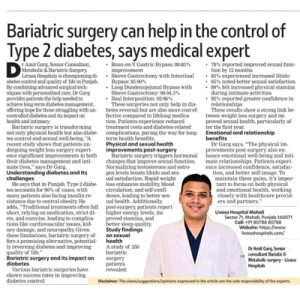
  • Chandigarh: lots of large multi specialty hospitals, international patient departments, flight connectivity. Dr Amit Garg and CODSILS is the main reason people prefer Chandigarh
  • Mumbai: high end private hospitals, strong surgical talent pool
  • Bengaluru: good corporate hospitals, strong systems and follow up culture in many centers
  • Chennai: known for cost effective care with solid quality in many hospitals
  • Hyderabad: competitive pricing, multiple reputable bariatric teams
  • Kochi: popular for some international patients, calmer pace, good hospitals

Instead of picking a city first, pick the surgeon and hospital first. Then the city follows.

How to choose the right hospital and surgeon (this is where people rush)

If you are trying to keep it affordable, you might be tempted to just chase the lowest quote.
Try not to.
A good selection checklist:

Surgeon focused questions

  • How many sleeve or bypass procedures do you perform per year
  • What is your leak rate and major complication rate, roughly
  • Are you trained specifically in bariatric and metabolic surgery
  • Do you do the surgery yourself or is it a rotating team
  • What is your approach to follow up and long term monitoring
  • How do you handle gallstones, reflux, or hiatal hernia if found

You want clear answers. Not defensive, not vague.

Hospital focused questions

  • Is the hospital accredited (NABH is common in India, JCI exists in some centers)
  • Do they have an ICU and specialists on call
  • Is there a dedicated bariatric coordinator and dietician
  • Do they have protocols for DVT prevention, early mobilization, pain control
  • Do they provide structured diet stages and supplementation plans

You are not being “difficult” by asking. This is your body.

The surgery experience in India, what it often looks like

Every hospital is different, but the general flow is pretty consistent.

Before surgery

You arrive, you meet the surgeon and team, you do pre op workup. Blood tests, imaging if needed, sometimes an endoscopy, sometimes a pulmonology or cardiology clearance if you have risk factors.

You will likely be asked to do:

  • a pre op diet (often liquid or low carb) for liver shrinkage
  • stop smoking, stop alcohol, adjust medications
  • plan for post op diet stages

Hospital stay

Most sleeve patients stay around 2 to 3 nights. Bypass can be 3 to 4 nights. Some discharge earlier, but I personally think an extra night is not the worst thing. Especially if you flew in.
Pain is usually manageable. Walking starts early. Sips of water, then clear liquids.

After discharge

You will be on staged diet progression. Clear liquids, full liquids, pureed, soft, then regular textured food. The timeline varies by surgeon.

You also start:

  • vitamins and minerals (this is non negotiable, especially for bypass)
  • protein supplementation
  • hydration goals

Expect fatigue. Mood swings sometimes. Weird taste changes. This is normal, within reason.

Hidden costs and common mistakes (so you do not step on the same rake)

Here are the common “I wish I knew this earlier” items.

1. You might need extra days in India

If you are traveling internationally, plan to stay at least 10 to 14 days total, sometimes longer depending on surgeon preference and your healing.
Flying too early increases risk of clots, dehydration, discomfort, and just overall misery.

2. Cheap quotes sometimes exclude essentials

Some quotes do not include:

  • stapler charges
  • consumables
  • compression stockings
  • OT time beyond a set limit
  • management of comorbidities

Always get a written inclusion list.

3. Follow up care at home needs planning

Weight loss surgery is not a one time thing. You need follow up labs, vitamin monitoring, sometimes medication adjustments, and a primary doctor who is not hostile to bariatric patients.

Before you fly, ask for:

  • operative notes
  • discharge summary
  • diet plan
  • supplement plan
  • schedule for labs (3 months, 6 months, 12 months, annually)
  • contact email or WhatsApp for follow up questions

4. Do not ignore reflux symptoms

If you already have bad GERD, sleeve might worsen it in some patients. Bypass often helps reflux, but each case is unique. A pre op endoscopy and proper discussion matters here.

5. Revision surgeries are not bargain shopping territory

If you need a revision, choose a center that does revisions routinely. The cheapest option is rarely the safest in that category.

Is bariatric surgery in India safe

It can be very safe. India has world class surgeons and hospitals, especially in major cities and established centers. Many hospitals follow protocols comparable to international standards.

But safety depends on:

  • surgeon experience
  • hospital systems
  • your health status and preparation
  • post op monitoring and follow up compliance

So the honest answer is yes, it can be safe. But you have to choose carefully, and you have to do your part too.

How to start the process (simple steps)

If you are serious about doing this in India, here is a clean way to start without getting overwhelmed.

  • Shortlist 3 to 5 hospitals or surgeons based on reviews, credentials, and volume.
  • Request a video consultation and share your basic health info.
  • Ask for a written package quote with inclusions and exclusions.
  • Check what pre op tests you can do at home to save time in India.
  • Plan your stay with buffer days.
  • Arrange post op follow up back home and commit to lab monitoring.

And honestly, listen to your gut during consults. If the coordinator is pushy, if questions annoy them, if they promise unrealistic outcomes, it is okay to move on.

Expected weight loss results (rough idea, not a promise)

Results vary, but many patients see:

  • Sleeve: often around 50 to 70% excess weight loss over 12 to 18 months
  • Bypass: often around 60 to 80% excess weight loss over 12 to 18 months

Metabolic improvements, especially for type 2 diabetes, can happen quickly after bypass and sometimes after sleeve too.

But results depend heavily on follow up, protein intake, activity, sleep, and whether old habits quietly creep back in. It happens. You just correct course and keep going.

Final thoughts

Affordable weight loss surgery in India is real. The numbers can make sense even after flights and hotels. And there are surgeons there who do this every day, with strong outcomes, solid protocols, and real support systems.

Just do not treat “affordable” like “pick the lowest price and hope for the best”.

Pick experience. Pick a hospital that has systems. Ask the annoying questions. Get everything in writing. Plan your follow ups before you even board the flight.

If you do it that way, India can be not just the cheaper option, but the smart option.

bariatric surgery for fatty liver

Make An Appointment

Call:6283337650

OR

    Name (required)

    Email Id (required)

    Phone Number (required)

    City

    Message for the Doctor (If Any)

    Frequently Asked Questions

    before image
    What is fatty liver and why is it becoming common in Punjab?

    Fatty liver, or hepatic steatosis, refers to excess fat stored inside liver cells. In Punjab, it’s increasingly common due to factors like obesity, insulin resistance, type 2 diabetes, and lifestyle habits. Often symptomless initially, it can progress to serious liver damage if untreated.

    How does metabolic fatty liver (MASLD) differ from alcohol-related fatty liver?

    Metabolic fatty liver (MASLD) is linked to metabolic issues such as obesity, insulin resistance, high cholesterol, and diabetes. Alcohol-related fatty liver is caused primarily by excessive alcohol intake. This guide focuses mainly on metabolic fatty liver as it is more prevalent alongside obesity and type 2 diabetes in Punjab.

    What are the typical symptoms of fatty liver and why is it often missed?

    Early fatty liver usually has no symptoms, making it easy to miss. When symptoms appear, they may include persistent fatigue, mild discomfort in the right upper abdomen, bloating, or reduced stamina—often mistaken for stress or routine life issues.

    How is fatty liver diagnosed and staged before treatment?

    Diagnosis involves medical history review, physical exams, blood tests (like ALT/AST), and ultrasound imaging. Staging uses non-invasive tools such as FibroScan to assess liver fat and stiffness indicating fibrosis risk. Liver biopsy is reserved for unclear cases or when precise staging affects treatment decisions.

    What are the first-line treatments for metabolic fatty liver before considering surgery?

    Weight loss and metabolic improvement are core treatments. Even modest and steady weight reduction can significantly reduce liver fat and lower the risk of progression. Lifestyle changes including diet modification, increased physical activity, better sleep, and managing diabetes are essential first steps.

    When should bariatric surgery be considered for treating fatty liver in Punjab?

    Bariatric or metabolic surgery is not a first-step treatment but can be a powerful option for eligible patients with obesity-related metabolic fatty liver who have not achieved sufficient improvement through lifestyle changes and medical therapy. Evaluation by experienced bariatric teams like Dr Amit Garg’s in Punjab helps determine suitability and plan safe surgery.

    Weight loss surgery in Amritsar | Punjab | Dr Amit Garg
    before image

    Laparoscopic Bariatric & Metabolic Procedures

    before image

    Bariatric surgery is scientifically proven procedure that aims to help individuals with obesity achieve
    significant and sustainable weight loss by altering the digestive system. There are several types of

    bariatric procedures, each with its own approach and mechanism of action

    Roux-en-Y Gastric Bypass

    Roux-en-Y Gastric Bypass

    Read More

    Mini Gastric Bypass

    Mini Gastric Bypass

    Read More

    Sleeve Gastrectomy

    Sleeve Gastrectomy

    Read More

    Sleeve Gastrectomy with Proximal Jejunal Bypass

    Sleeve Gastrectomy with Proximal Jejunal Bypass

    Read More

    Loop Duodeno Jejunal with Sleeve Gastrectomy

    Loop Duodeno Jejunal with Sleeve Gastrectomy

    Read More

    Single Incision (Zero Scar) Bariatric Surgery

    Single Incision
    (Zero Scar)
    Bariatric Surgery

    Read More

    Fill our health questionnaire and find out if you are eligible for bariatric surgery

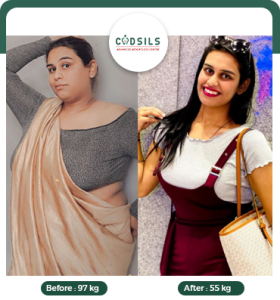
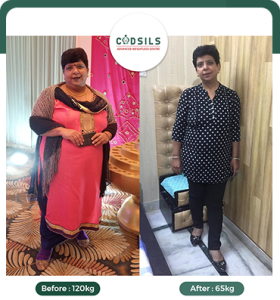
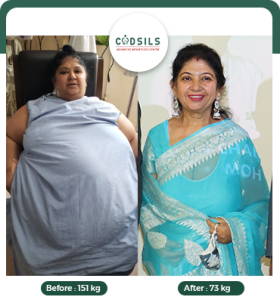
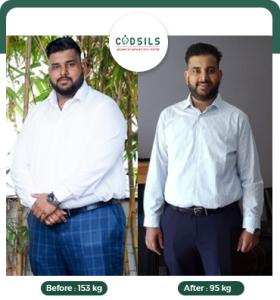
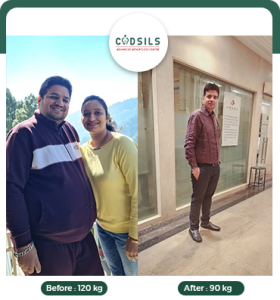
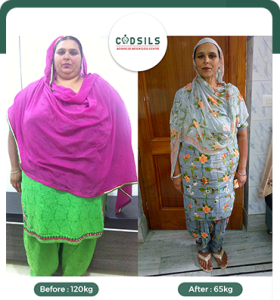
    Bariatric Surgery Results

    before image
    3000+

    Bariatric Surgery

    2000+

    Metabolic Surgeries

    10000+

    Laparoscopic GI Surgeries

    Our Patient’s Testimonials

    before image

    Latest News

    before image

    Latest Events

    before image
    Translate »
    WhatsApp chat