


How to Choose the Best Bariatric Surgery Centre in India
CALCULATE BMI

How to choose Best Bariatric Surgery centre in India – Dr Amit Garg

Best Bariatric Surgery centre in India

Choosing a bariatric surgery center in India is one of those decisions that looks simple on paper for international patients looking for a safe and affordable weight loss surgeries in india. Pick a city, check a few reviews, book a consultation, done.

Keep Reading

But then you start actually researching and it gets messy fast.
One hospital says they are the “No.1” bariatric center. Another says they do “scarless” surgery. Someone on YouTube had a life changing experience, someone else had a complication and now everything sounds scary. And you are stuck trying to figure out what matters, what is marketing, and what questions you should be asking before you let anyone operate on your body.
India has some genuinely excellent bariatric programs. The goal is just to choose the right one for you, not the most famous name you saw on an ad. CODSILS by Dr Amit Garg in Punjab is one of the best center as they have 16 years of experience in primary and Revisional Bariatric Surgeries. This is the only canter among top 10 canters who does 8 different types of weight loss procedures and Single incision or Zero scar bariatric surgeries.
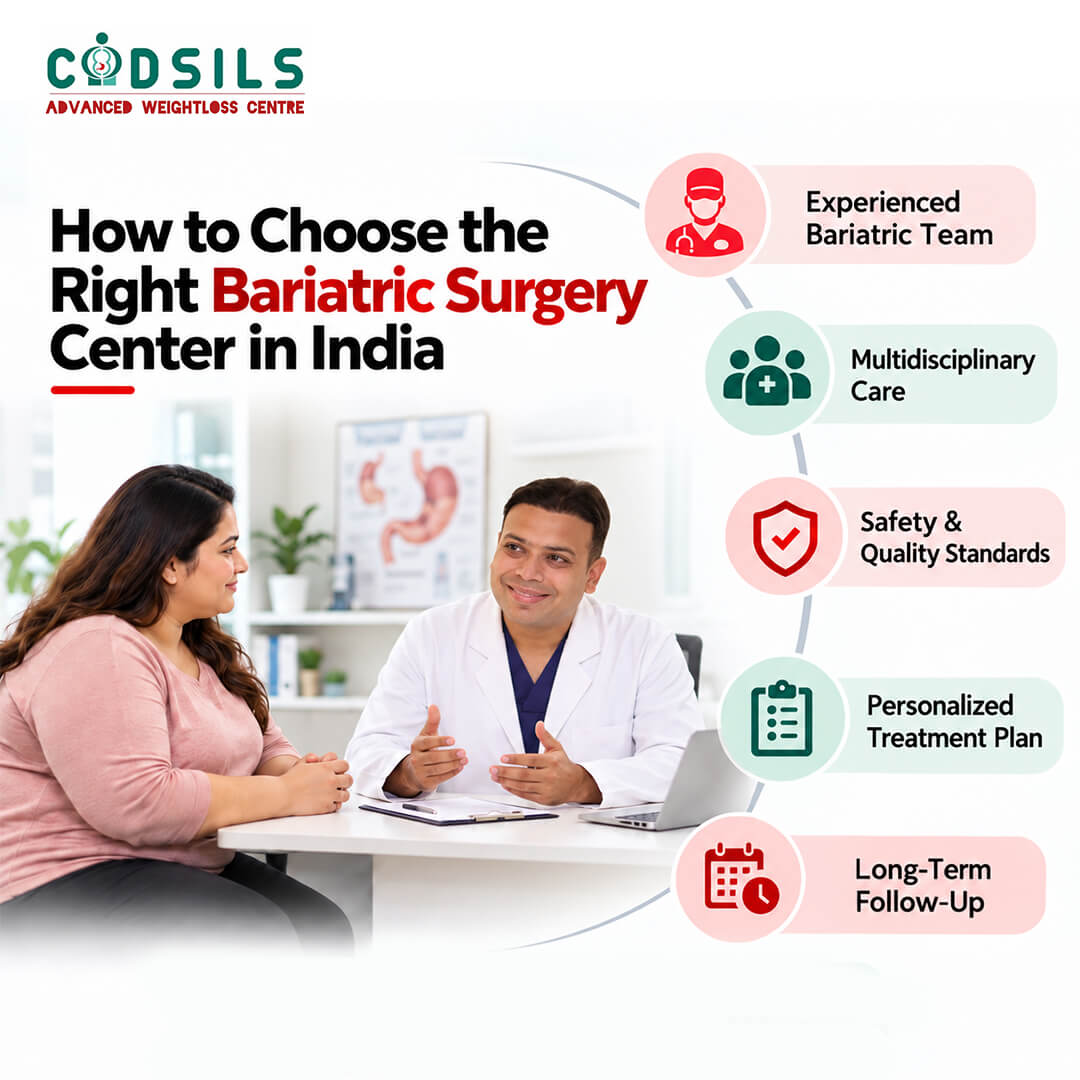
First, be clear on what “best” even means for you

The best center for one person is not always the best for another.

For example:

Keep Reading
  • You might want the most experienced surgeon in a metro city, even if it costs more.
  • Or you might want a solid, safe program closer to home so follow ups are easy.
  • You might have diabetes, sleep apnea, PCOS, fatty liver, reflux, joint pain. These change what “best” looks like.
  • You might need strong nutritional and psychological support because that is usually where success or failure happens later.

So before you compare hospitals, answer this honestly:

  • Are you willing to travel for surgery and then travel again for follow ups?
  • Do you want a high volume centre (more cases) or a smaller center (more personal attention)?
  • What is your budget range including pre op tests, surgery, hospital stay, supplements, and follow ups?
  • Do you want sleeve, bypass, mini gastric bypass, or the latest ones like SASI or SASJ you are still unsure?
Check if the center is actually a bariatric “program”, not just a surgery

A good bariatric center is not just an operating room and a surgeon. It is a complete program that runs before surgery and after surgery.

Because surgery is the tool. The program is what makes the tool work.

A strong bariatric program in India usually includes:

  • Bariatric surgeon (obviously)
  • Physician or endocrinologist support for diabetes, thyroid, hypertension
  • Anaesthetist experienced with obesity patients
  • Dietitian who specializes in bariatrics (not general weight loss)
  • Psychologist or counselor (for eating behaviors, emotional eating, readiness)
  • Physiotherapist or exercise coach guidance
  • Dedicated bariatric coordinator who handles scheduling, follow ups, questions
Surgeon matters, but the team matters too

People get fixated on the surgeon’s name. Experience is important, yes. But bariatric outcomes are also about the system around the surgeon.

Here is what to look for in the surgeon specifically:

1) Training and focus

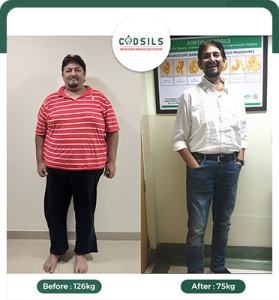
You want a surgeon like Dr Amit Garg who is focused on bariatric and metabolic surgery, not someone who does a bit of everything and also does bariatric on weekends. Dr Amit Garg has done three fellowships in Bariatric surgery and is an internationally trained bariatric surgeon who does customised weight loss surgeries according to patient BMI, social habits and comorbidities. Till date, he has done more 3500 bariatric procedures including primary and revisional bariatric surgeries.
Things that help:

  • Fellowship training in bariatric or advanced laparoscopic surgery
  • Active membership in respected professional bodies
  • Regular bariatric case load

You can ask directly:

“How many bariatric surgeries do you do per month?”

Not in their entire career. Per month. Recently.

2) Case volume and variety

A surgeon who has done a high number of cases has usually seen more complications, more tricky anatomy, more reflux cases, more revisions. That experience matters.

Also ask what types they do often:

  • Sleeve gastrectomy
  • Roux en Y gastric bypass
  • One anastomosis gastric bypass (mini bypass)
  • Revision surgeries (like sleeve to bypass, band removal, etc)

A surgeon who does revisions usually works in a stronger ecosystem, because revisions are more complex and require good judgment. Dr Amit Garg at Chandigarh has vast experience in revisional surgeries and performing combo surgeries like Bariatric surgery with Lap chole or with hysterectomy or with hernia repair surgery.

3) Willingness to explain, without rushing you

This sounds “soft”, but it is not.

In a consult, notice:

  • Are they listening or selling
  • Are they clear about risks and lifestyle changes
  • Do they talk about long term follow up or only surgery day
Hospital infrastructure, ICU, and emergency readiness

Even if you choose the best surgeon, the hospital setup matters because complications are handled by the hospital, not by a brochure.

You want:

  • 24×7 ICU and critical care team
  • In house radiology and CT scan access
  • Blood bank availability
  • Experienced anesthesia team (obesity anesthesia is a different thing)
  • Endoscopy support
  • Ability to manage leaks, bleeding, pulmonary embolism, severe dehydration

Ask this question in plain words:

“If there is a complication at 2 am, who handles it and what is the protocol?”

A good center will not get offended. They will answer calmly.

Look for standard protocols, not fancy words

Bariatric surgery has become modern, but it still needs boring, standard safety steps.

You want a center that does things like:

  • Pre op evaluation for sleep apnea when indicated
  • DVT prevention protocol (blood clots)
  • Early mobilization after surgery
  • Leak testing when appropriate
  • Structured diet progression plan (liquids to soft to solids)
  • Scheduled follow ups at 1 week, 1 month, 3 months, 6 months, 1 year
  • If a canter cannot show you their follow up schedule or diet stages, it is usually not a mature program.
Outcomes to ask for (and how to ask without sounding awkward)

Hospitals love saying “excellent outcomes”. You need specifics.

Here are practical outcome questions:

  • What is your leak rate for sleeve and bypass?
  • What is your re admission rate within 30 days?
  • What percentage of patients come for follow ups at 1 year?
  • Do you track excess weight loss (EWL) at 1 year and 2 years?
  • For diabetes patients, what is the remission or improvement rate?

Now, they may not give you exact numbers. Many centers do not publish them clearly. But the way they respond tells you a lot.

If they say “We track everything, we can share ranges, and we will explain what is normal”. That is a good sign.

If they say “Why are you asking this, trust us”. Not great.

Beware of “cheap package” traps

Let’s talk money, because it matters and people feel weird asking.

In India, bariatric surgery costs can vary a lot depending on:

  • City (metro vs tier 2)
  • Hospital category
  • Surgeon experience
  • Procedure (sleeve often cheaper than bypass)
  • Room type
  • Stapler and device quality
  • ICU backup and length of stay
  • Included follow up support

Sometimes a very cheap package means:

  • Limited pre op tests included
  • Shorter hospital stay pushed aggressively
  • No real dietitian follow ups
  • Extra charges for complications (this is the big scary one)
  • Lower quality consumables (not always, but it happens)

Instead of only comparing headline price, ask for a full cost sheet:

  • What exactly is included in the package?
  • Are staplers included?
  • Are OT charges included?
  • Are surgeon and anesthesia fees included?
  • How many days stay included?
  • Are follow up consults included and for how long?
  • What happens financially if ICU is needed?
  • What about re admission?

Good centers will explain this clearly. And yes, it is okay to talk about money upfront. This is healthcare, not a restaurant bill surprise.

Understand procedure selection, especially if you have reflux or diabetes

This part is crucial because “best center” also means the center recommends the right procedure for your body, not the one they do most.

Two common examples:

If you have significant acid reflux (GERD)

Sleeve can worsen reflux in some people. Bypass may be better for reflux control in many cases. Not always, but often. A good center will evaluate reflux properly, sometimes even with endoscopy.
If you have long standing diabetes

Metabolic impact differs across procedures. Gastric bypass and mini bypass can have stronger metabolic effects for many patients than sleeve. Again, depends on individual.
So ask:

“Why are you recommending this procedure for me specifically?”

If the answer is generic, push for clarity.

Ask about nutrition support. This is where long term success is built

The surgery is one day. The nutrition plan is forever, realistically.

A good bariatric center should provide:

  • Pre op diet plan (often liver shrinking diet)
  • Clear post op diet stages with timelines
  • Protein targets and hydration targets
  • Supplement plan (multivitamin, calcium, vitamin D, iron, B12, etc as needed)
  • Routine blood test schedule (3 months, 6 months, 12 months, then yearly commonly)
  • A way to contact the diet team when you are stuck

Also ask:

“Do you do group support sessions or patient communities?”

Not mandatory, but helpful.

If a center treats dietitian consults like an optional add on, that is not ideal.

Psychological screening and support is not an insult. It is a safety feature

Some people get defensive about psych evaluation. But bariatric surgery changes your relationship with food, body image, social life, even marriage dynamics sometimes. It can bring stuff up.

A center that includes psychological support is usually more serious about long term outcomes.

Look for:

  • Screening for binge eating tendencies, depression, severe anxiety
  • Counseling on expectations and coping strategies
  • Post op support if you struggle with emotional eating or transfer addictions (like alcohol)

If the hospital says “we don’t do that, not needed”. Hmm. Not always wrong, but it is a sign they might be running a surgery only model.

Follow up system: the unglamorous deal breaker

You know what ruins results? People disappear after 2 months.

Not because they are lazy. Life happens. Work, travel, family, shame, confusion about food, plateaus, hair fall, constipation, fatigue. And they stop coming.

A good bariatric center fights this by building an actual follow up system.

Check for:

  • Dedicated coordinator who schedules follow ups
  • Teleconsult options if you live far away
  • WhatsApp or helpline for urgent questions (with boundaries, but available)
  • Reminders for blood work and supplement compliance

Ask:

“How do you handle follow ups for outstation patients?”

If you are traveling to a different city, this question becomes non negotiable.

Patient reviews, before and after photos, and what to trust

Reviews are tricky. Some are real, some are promotional, some are angry because of unrelated service issues.

Use reviews like this:

  • Look for patterns, not one off stories
  • Pay attention to comments about aftercare, responsiveness, diet support, complication handling
  • If every review sounds like marketing copy, be cautious
  • If every negative review is about “they didn’t pick my call after discharge”, that can still matter

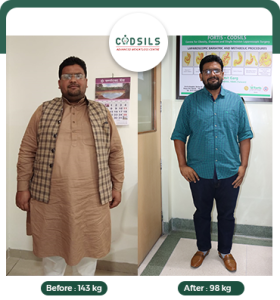
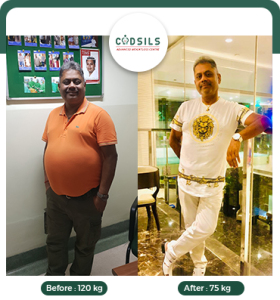
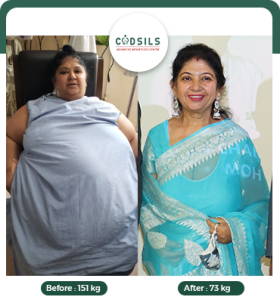
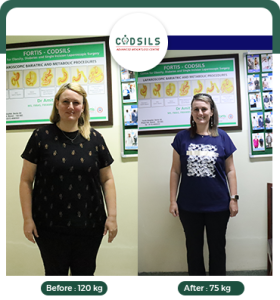
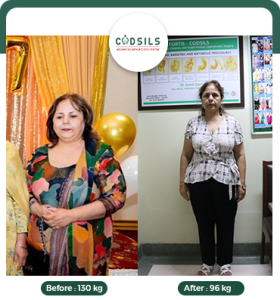
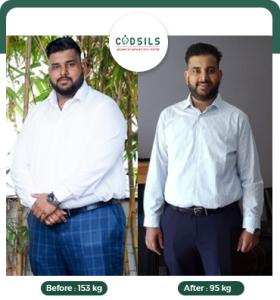
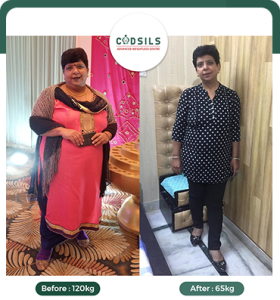
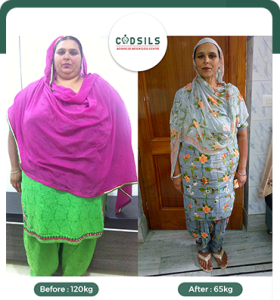
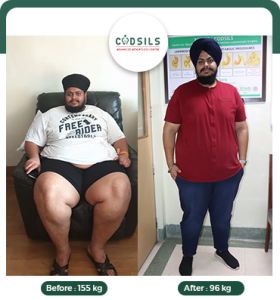
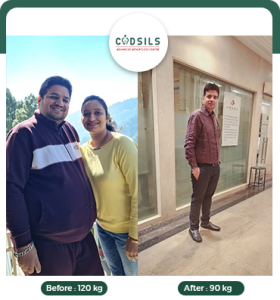
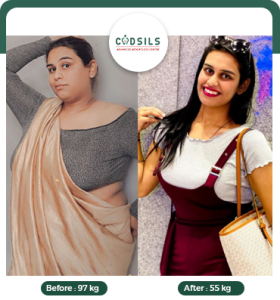
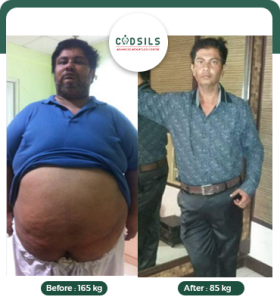
Before and after photos can be inspiring, but they can also hide important context like time frame, adherence, or even photo angles.

Better than photos: ask to speak with 1 or 2 previous patients. Many centers can arrange this, with consent.

Accreditation and safety standards (simple version)

If you are comparing hospitals, accreditation can be a useful filter. In India, you might see:

  • NABH accreditation (hospital quality and processes)
  • JCI accreditation (international, some big hospitals have it)

Accreditation does not guarantee a perfect bariatric outcome. But it often indicates better processes, documentation, infection control, and patient safety systems.

If two options feel similar, choose the one with stronger systems.

A simple checklist to take to your consultation

Take this list, literally copy paste it into your notes app:

Surgeon and team

  • How many bariatric surgeries do you do per month?
  • Which procedures do you do most and why?
  • Who is on the bariatric team (dietitian, psychologist, physician)?
  • Who handles complications after discharge?

Hospital and safety

  • ICU availability 24×7?
  • DVT prevention protocol?
  • Average length of stay?
  • Emergency contact process?

Evaluation

  • Will I get endoscopy?
  • Do you screen for sleep apnea?
  • What blood tests are done pre op and post op?

Aftercare

  • Follow up schedule for 1 year?
  • Diet stages plan and protein targets?
  • Supplement plan and blood test schedule?
  • Teleconsult for outstation patients?

Costs

  • Full package inclusions list?
  • Extra charges scenarios (ICU, additional stay, re admission)?
  • Follow up consult fees included or separate?

If the center answers these clearly and patiently, you are in a good place.

Final thought (because someone has to say it)

The “best bariatric surgery center in India” is usually the one that feels slightly boring when they explain things. In a good way.

They talk about protocols. Follow ups. Nutrition. Risks. Blood tests. They do not oversell. They do not treat you like a transaction.

And when you leave the consultation, you should feel informed. Not pressured. Not confused. Informed.

Choose the center that gives you that feeling, plus the hard proof of experience and a real program behind it.

That is what “best” looks like in real life.

Dr Amit Garg

Minimal Access Bariatric
Metabolic & GI Surgeon

Why India is “affordable” for bariatric surgery (and not necessarily cheap)

First, let’s separate two words people mix up.

Affordable does not have to mean low quality. It often means the overall healthcare economics are different.

India is cheaper for bariatric surgery mainly because:

  • Hospital operating costs are lower.
  • Surgeon and staff costs are lower compared to Western countries
  • Medical tourism is competitive, so hospitals bundle packages
  • High procedure volume in metro hospitals can improve efficiency
What counts as weight loss surgery, exactly

Most people mean bariatric surgery. The big, common ones are:

1. Gastric Sleeve (Sleeve Gastrectomy) in India

A large portion of the stomach is removed, leaving a sleeve shaped stomach. You feel full sooner and hormone signals change too.
Why people pick it: no intestinal rerouting, simpler than bypass for many patients, strong results.

2. Gastric Bypass (Roux-en-Y) in India

Creates a small stomach pouch and reroutes part of the small intestine.
Why people pick it: very strong weight loss outcomes, helpful for type 2
diabetes control in many cases.

3. Mini Gastric Bypass (One Anastomosis Gastric Bypass) in India

A variant of bypass that is often shorter to perform, with one connection.
Why people pick it: effective, sometimes lower operative time, but needs a
surgeon experienced in this exact technique.

4. Adjustable Gastric Band (Lap Band) in India

A band is placed around the upper stomach to restrict intake.
Why it is less popular now: long term outcomes and complication rates have
made many surgeons move away from it.

5. Bariatric Revision Surgery in India

For people who had a prior bariatric procedure and need correction or
conversion.
This can be more complex and more expensive. Also, not every hospital is
good at revisions. Choose carefully.

6. Sleeve With loop bipartition or Sleeve plus Surgeries

How much does weight loss surgery cost in India (typical ranges)

Prices vary by city, hospital tier, surgeon reputation, and how complicated your case is. But realistic ballpark ranges for self pay patients often look like this:

  • Gastric Sleeve in India: roughly INR 3.0 to 3.5 lakhs (approx USD 3,000 to 3,500)
  • Gastric Bypass in India: roughly INR 3.5 to 4.5 lakhs (approx USD 3500 to 4500)
  • Mini Gastric Bypass: often similar to bypass, sometimes slightly lower, depending on center
  • Revision surgery: can be INR 5 to 7 lakhs (approx INR 5 to 7 lakhs USD 5,000 to 7,000+)

If you are comparing with the US where bariatric surgery can easily run USD 15,000 to 30,000+ , you can see why India is on the shortlist.
But do not stop at the surgery price alone. Budget for the full trip.

Travel budget reality check

If you are coming from outside India, consider:

  • flights
  • hotel stays (before admission, after discharge)
  • local transport
  • companion costs if someone travels with you
  • extra days in case recovery is slower than expected
  • follow up visits, medications, lab tests

Even after all that, many patients still end up far below Western costs. Just do not get surprised by the add ons.

What is usually included in an “all inclusive” bariatric package

Hospitals in India often offer bundled packages. Some are genuinely comprehensive. Some are “inclusive” in marketing only.
Typically included:

  • surgeon fee
  • anesthesia fee
  • OT charges
  • hospital stay (often 2 to 4 nights depending on procedure)
  • standard room category (not always deluxe)
  • basic pre op workup (blood tests, ECG, chest X ray)
  • dietician counseling (sometimes limited sessions)

Often not included, or included only partially:

  • ICU stay if unexpectedly needed
  • complications management (read the fine print)
  • advanced imaging if required
  • treatment for unrelated conditions discovered during workup
  • higher room categories
  • extended stay beyond package days
  • some medications after discharge
  • follow up after you return home (teleconsults may be extra)

Ask for the package inclusions in writing.

Who qualifies for weight loss surgery (common criteria)

Most bariatric programs follow international guidelines with some variation.
Typical eligibility:

  • BMI 40+, or
  • BMI 35+ with obesity related conditions (type 2 diabetes, sleep apnea, hypertension, fatty liver, joint issues), and sometimes
  • BMI 30 to 35 in select cases with poorly controlled diabetes or metabolic disease, depending on surgeon and guidelines used

You also need:

  • ability to follow post op diet and supplementation
  • psychological readiness (some hospitals do a psych evaluation)
  • realistic expectations and willingness to attend follow ups

This part matters. Surgery is not a magic reset. It is a tool that works insanely well when you actually use it properly. Vitamins, protein, hydration, movement, follow up labs. The boring stuff.

Best cities in India for bariatric surgery (and why)

India is huge. Medical quality is not evenly distributed. You will find excellent bariatric programs in many places, but some cities are simply easier for international patients.
Common medical tourism hubs:

  • Chandigarh: lots of large multi specialty hospitals, international patient departments, flight connectivity. Dr Amit Garg and CODSILS is the main reason people prefer Chandigarh
  • Mumbai: high end private hospitals, strong surgical talent pool
  • Bengaluru: good corporate hospitals, strong systems and follow up culture in many centers
  • Chennai: known for cost effective care with solid quality in many hospitals
  • Hyderabad: competitive pricing, multiple reputable bariatric teams
  • Kochi: popular for some international patients, calmer pace, good hospitals

Instead of picking a city first, pick the surgeon and hospital first. Then the city follows.

How to choose the right hospital and surgeon (this is where people rush)

If you are trying to keep it affordable, you might be tempted to just chase the lowest quote.
Try not to.
A good selection checklist:

Surgeon focused questions

  • How many sleeve or bypass procedures do you perform per year
  • What is your leak rate and major complication rate, roughly
  • Are you trained specifically in bariatric and metabolic surgery
  • Do you do the surgery yourself or is it a rotating team
  • What is your approach to follow up and long term monitoring
  • How do you handle gallstones, reflux, or hiatal hernia if found

You want clear answers. Not defensive, not vague.

Hospital focused questions

  • Is the hospital accredited (NABH is common in India, JCI exists in some centers)
  • Do they have an ICU and specialists on call
  • Is there a dedicated bariatric coordinator and dietician
  • Do they have protocols for DVT prevention, early mobilization, pain control
  • Do they provide structured diet stages and supplementation plans

You are not being “difficult” by asking. This is your body.

The surgery experience in India, what it often looks like

Every hospital is different, but the general flow is pretty consistent.

Before surgery

You arrive, you meet the surgeon and team, you do pre op workup. Blood tests, imaging if needed, sometimes an endoscopy, sometimes a pulmonology or cardiology clearance if you have risk factors.

You will likely be asked to do:

  • a pre op diet (often liquid or low carb) for liver shrinkage
  • stop smoking, stop alcohol, adjust medications
  • plan for post op diet stages

Hospital stay

Most sleeve patients stay around 2 to 3 nights. Bypass can be 3 to 4 nights. Some discharge earlier, but I personally think an extra night is not the worst thing. Especially if you flew in.
Pain is usually manageable. Walking starts early. Sips of water, then clear liquids.

After discharge

You will be on staged diet progression. Clear liquids, full liquids, pureed, soft, then regular textured food. The timeline varies by surgeon.

You also start:

  • vitamins and minerals (this is non negotiable, especially for bypass)
  • protein supplementation
  • hydration goals

Expect fatigue. Mood swings sometimes. Weird taste changes. This is normal, within reason.

Hidden costs and common mistakes (so you do not step on the same rake)

Here are the common “I wish I knew this earlier” items.

1. You might need extra days in India

If you are traveling internationally, plan to stay at least 10 to 14 days total, sometimes longer depending on surgeon preference and your healing.
Flying too early increases risk of clots, dehydration, discomfort, and just overall misery.

2. Cheap quotes sometimes exclude essentials

Some quotes do not include:

  • stapler charges
  • consumables
  • compression stockings
  • OT time beyond a set limit
  • management of comorbidities

Always get a written inclusion list.

3. Follow up care at home needs planning

Weight loss surgery is not a one time thing. You need follow up labs, vitamin monitoring, sometimes medication adjustments, and a primary doctor who is not hostile to bariatric patients.

Before you fly, ask for:

  • operative notes
  • discharge summary
  • diet plan
  • supplement plan
  • schedule for labs (3 months, 6 months, 12 months, annually)
  • contact email or WhatsApp for follow up questions

4. Do not ignore reflux symptoms

If you already have bad GERD, sleeve might worsen it in some patients. Bypass often helps reflux, but each case is unique. A pre op endoscopy and proper discussion matters here.

5. Revision surgeries are not bargain shopping territory

If you need a revision, choose a center that does revisions routinely. The cheapest option is rarely the safest in that category.

Is bariatric surgery in India safe

It can be very safe. India has world class surgeons and hospitals, especially in major cities and established centers. Many hospitals follow protocols comparable to international standards.

But safety depends on:

  • surgeon experience
  • hospital systems
  • your health status and preparation
  • post op monitoring and follow up compliance

So the honest answer is yes, it can be safe. But you have to choose carefully, and you have to do your part too.

How to start the process (simple steps)

If you are serious about doing this in India, here is a clean way to start without getting overwhelmed.

  • Shortlist 3 to 5 hospitals or surgeons based on reviews, credentials, and volume.
  • Request a video consultation and share your basic health info.
  • Ask for a written package quote with inclusions and exclusions.
  • Check what pre op tests you can do at home to save time in India.
  • Plan your stay with buffer days.
  • Arrange post op follow up back home and commit to lab monitoring.

And honestly, listen to your gut during consults. If the coordinator is pushy, if questions annoy them, if they promise unrealistic outcomes, it is okay to move on.

Expected weight loss results (rough idea, not a promise)

Results vary, but many patients see:

  • Sleeve: often around 50 to 70% excess weight loss over 12 to 18 months
  • Bypass: often around 60 to 80% excess weight loss over 12 to 18 months

Metabolic improvements, especially for type 2 diabetes, can happen quickly after bypass and sometimes after sleeve too.

But results depend heavily on follow up, protein intake, activity, sleep, and whether old habits quietly creep back in. It happens. You just correct course and keep going.

Final thoughts

Affordable weight loss surgery in India is real. The numbers can make sense even after flights and hotels. And there are surgeons there who do this every day, with strong outcomes, solid protocols, and real support systems.

Just do not treat “affordable” like “pick the lowest price and hope for the best”.

Pick experience. Pick a hospital that has systems. Ask the annoying questions. Get everything in writing. Plan your follow ups before you even board the flight.

If you do it that way, India can be not just the cheaper option, but the smart option.

How to choose the best bariatric surgery centre in India – checklist

Make An Appointment

Call:6283337650

OR

    Name (required)

    Email Id (required)

    Phone Number (required)

    City

    Message for the Doctor (If Any)

    Frequently Asked Questions

    before image
    Questions to ask a bariatric surgeon before weight loss surgery in India
    How do I define the 'best' bariatric surgery center for my personal needs?

    The ‘best’ bariatric surgery center varies based on individual preferences and medical conditions. Consider factors like willingness to travel, preference for high-volume or smaller centers, budget including all related costs, and the type of surgery you are considering (sleeve, bypass, mini gastric bypass). Your health conditions such as diabetes, sleep apnea, or PCOS also influence what ‘best’ means for you.

    What components make up a comprehensive bariatric surgery program beyond just the surgeon?

    A complete bariatric program includes not only an experienced surgeon but also support from a physician or endocrinologist, an anesthetist skilled in obesity cases, a dietitian specialized in bariatrics, a psychologist or counselor for eating behaviors and readiness, a physiotherapist or exercise coach, and a dedicated bariatric coordinator who manages scheduling and follow-ups. The program covers preoperative preparation and postoperative care.

    Why is the surgical team's experience and specialization important when choosing a bariatric surgeon?

    Experience matters because surgeons with fellowship training in bariatrics or advanced laparoscopic surgery and who perform regular bariatric surgeries tend to have better outcomes. High case volumes mean they have managed various complications and complex cases. Their willingness to explain risks, lifestyle changes, and long-term follow-up plans without rushing is also crucial for informed decision-making.

    What hospital infrastructure features should I look for in a bariatric surgery center?

    Ensure the hospital has 24/7 ICU and critical care teams, in-house radiology and CT scan facilities, blood bank availability, an experienced anesthesia team familiar with obesity cases, endoscopy support, and protocols to manage complications like leaks or pulmonary embolism. Ask specifically about emergency protocols at any hour to gauge readiness.

    What standard safety protocols should a reputable bariatric center follow?

    Look for centers that implement preoperative evaluations for sleep apnea when needed, DVT prevention protocols to avoid blood clots, early mobilization after surgery, leak testing when appropriate, structured diet progression plans from liquids to solids post-surgery, and scheduled follow-ups at intervals such as 1 week, 1 month, 3 months, 6 months, and 1 year. These indicate a mature and responsible program.

    How can I effectively inquire about a center's surgical outcomes without sounding awkward?

    Ask direct yet polite questions such as: ‘What is your leak rate for sleeve gastrectomy and gastric bypass?’, ‘What is your readmission rate?’, or ‘Can you share your complication statistics?’ A reputable center will provide transparent data rather than vague claims of ‘excellent outcomes.’ This helps you assess

    Weight loss surgery in Amritsar | Punjab | Dr Amit Garg

    before image

    Laparoscopic Bariatric & Metabolic Procedures

    before image

    Bariatric surgery is scientifically proven procedure that aims to help individuals with obesity achieve
    significant and sustainable weight loss by altering the digestive system. There are several types of
    bariatric procedures, each with its own approach and mechanism of action

    Roux-en-Y Gastric Bypass

    Roux-en-Y Gastric Bypass

    Read More

    Mini Gastric Bypass

    Mini Gastric Bypass

    Read More

    Sleeve Gastrectomy

    Sleeve Gastrectomy

    Read More

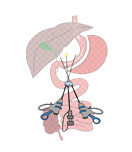
    Sleeve Gastrectomy with Proximal Jejunal Bypass

    Sleeve Gastrectomy with Proximal Jejunal Bypass

    Read More

    Loop Duodeno Jejunal with Sleeve Gastrectomy

    Loop Duodeno Jejunal with Sleeve Gastrectomy

    Read More

    Single Incision (Zero Scar) Bariatric Surgery

    Single Incision
    (Zero Scar)
    Bariatric Surgery

    Read More

    Fill our health questionnaire and find out if you are eligible for bariatric surgery

    Bariatric Surgery Results

    before image
    3000+

    Bariatric Surgery

    2000+

    Metabolic Surgeries

    10000+

    Laparoscopic GI Surgeries

    Our Patient’s Testimonials

    before image

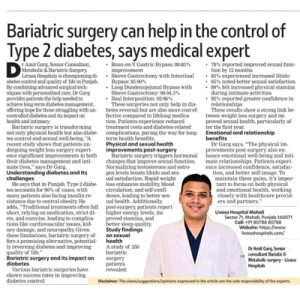
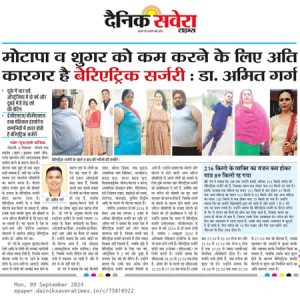
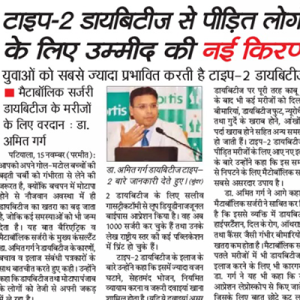
    Latest News

    before image

    Latest Events

    before image
    Translate »
    WhatsApp chat