


Metabolic Surgery in Punjab – Dr Amit Garg - Dr.Amit Garg
CALCULATE BMI

Metabolic Surgery in Punjab – Dr Amit Garg

When people Google “metabolic surgery in Punjab”, they’re usually talking about diabetes surgery. Also confused as bariatric surgery. Same modified family of operations, just a different goal.

Keep Reading

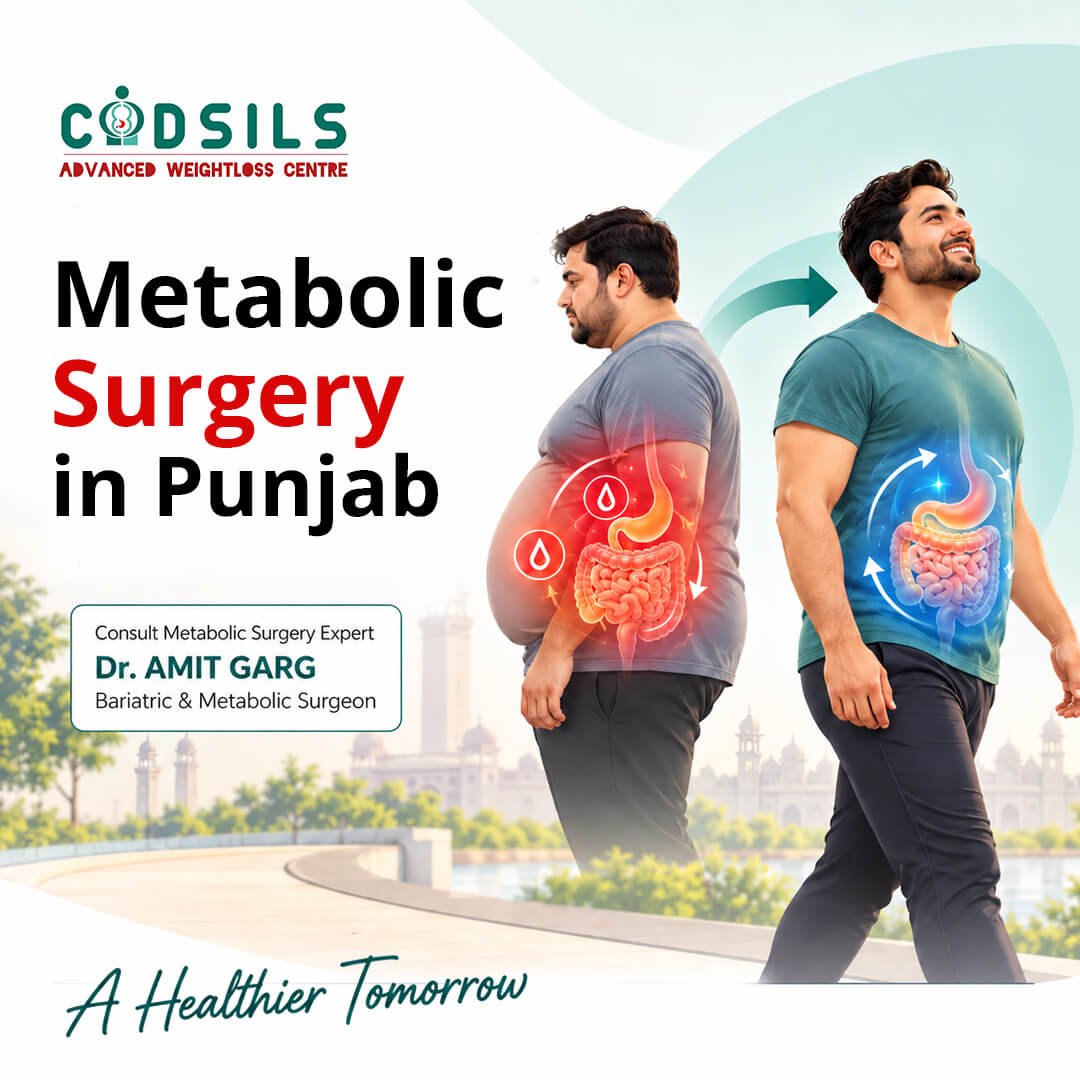
The goal here is not only weight loss. It’s to treat type 2 diabetes in a way that can improve blood sugar control, reduce tablets, sometimes stop insulin, and lower long term risk from diabetes complications.
Type 2 diabetes is everywhere now. Families have it. Younger people are getting it. People are tired of increasing medicines, tired of fluctuating sugars, tired of hearing “it will keep progressing” even when they try. Also a lot of type 2 diabetes in real life is connected to weight gain, belly fat, fatty liver, sleep apnea, high BP. So surgery starts looking like a serious option, not a cosmetic thing.
But expectations matter.
This is not a “quick fix” and it’s not a magic reset button. It’s approved medical treatment with eligibility criteria, a pre surgery workup, and lifelong follow up. You still eat differently. You still need protein, vitamins, activity, monitoring. The operation is just a powerful tool in the middle of that whole plan.
Most people looking into it want a few clear outcomes:
Better type 2 diabetes blood sugar levels (fasting and after meals)
Lower HbA1c
Fewer medicines and ideally no insulin
Weight loss that actually stays off
Better triglycerides, BP, fatty liver, energy, sleep
Understanding diabetes first: different types of diabetes and why surgery is mainly for type 2

Diabetes is one word, but it’s not one condition.

Here’s the quick breakdown:

  • Type 1 diabetes: autoimmune. The body attacks insulin producing cells. People need insulin because the pancreas cannot make enough.
Keep Reading
  • Type 2 diabetes: insulin resistance plus the pancreas slowly getting tired over time. This is the most common type and the one most linked with overweight, belly fat, inactivity, genetics, sleep issues, fatty liver.
  • Gestational diabetes: diabetes in pregnancy. It needs careful monitoring and postpartum follow up because risk of future type 2 is higher.
  • Other types: steroid induced diabetes, pancreatic diabetes, monogenic diabetes, etc. Less common, but real.
So why is surgery mainly for type 2 diabetes ?

Because metabolic surgery targets mechanisms that drive type 2 diabetes. Like insulin resistance, appetite regulation, gut hormones, bile acids. These changes can dramatically improve glucose control. In type 1, you can lose weight and reduce insulin dose, but you’re not fixing the autoimmune loss of insulin production. So surgery is not typically used as a primary treatment for type 1 diabetes.

A quick note on diagnosis and monitoring, because you’ll hear these terms a lot during evaluation:

  • HbA1c: average sugar level over roughly 3 months
  • Fasting glucose
  • Post meal readings (post prandial): often 1 to 2 hours after meals, as advised
  • Sometimes CGM (continuous glucose monitor) if your doctor recommends
When to consider surgery for diabetes (metabolic surgery)

Metabolic surgery tends to help most when the story looks like this:

  • You have type 2 diabetes plus overweight/obesity
  • Sugars are difficult to control even after serious effort
  • You’re on multiple medicines, maybe insulin
  • HbA1c stays high or keeps creeping up
  • You have related problems like fatty liver, sleep apnea, high BP, high triglycerides, joint pain
Eligibility criteria can vary by guideline and by patient, but you’ll commonly see:

  • BMI above a certain threshold (often BMI 35+ with diabetes, sometimes BMI 30 to 34.9 in selected cases with uncontrolled diabetes)
  • Uncontrolled HbA1c in BMI > 27.5Kg/m2 despite best medical therapy
  • Presence of diabetes complications or high-risk features

Timing matters more than most people think. In general, earlier intervention (not 15 years after diagnosis, after years of high insulin dose) can give better odds of strong improvement or remission, because beta cell function is not completely exhausted yet.

When surgery may not be appropriate, at least not right now:

  • Uncontrolled psychiatric illness
  • Active substance abuse
  • Inability to follow up or follow diet and supplements
  • Certain medical contraindications (your team will screen this properly)
How metabolic surgery helps type 2 diabetes (beyond weight loss)

A lot of people still assume it’s simple.

“Lose weight, sugar improves.”

Yes. But it’s more than that.

Metabolic surgery changes the way your gut talks to your pancreas and brain. After surgery, many patients see sugars improve within days, sometimes even before major weight loss. That’s the metabolic effect.

Some key mechanisms doctors talk about:

  • Gut hormones like GLP 1 increase, which can improve insulin secretion and reduce appetite
  • Changes in bile acids that influence metabolism
  • Improved insulin sensitivity, especially in the liver
  • Appetite regulation and earlier fullness, which reduces calorie intake naturally
  • Reduced “drive” for sugary foods in many patients (not all, but many)

Now about the word everyone loves: remission.

  • Remission usually means normal or near normal sugars without diabetes medications for a defined period
  • It does not mean you are “cured forever”.
  • Diabetes can come back, especially with weight regain, aging, stress, poor sleep, or if the pancreas had limited reserve to begin with.

Still, for someone searching “best insulin for type 2 diabetes” or “best type 2 diabetes medication for weight loss”, surgery can change the entire need. Many patients reduce insulin drastically or stop it, under supervision.

Types of diabetes surgery offered in Punjab

In Punjab, the common metabolic surgery procedures you’ll hear about are these.

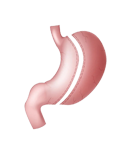
Sleeve gastrectomy (Sleeve) in Punjab

This reduces the size of the stomach into a sleeve shape. It’s restrictive, but also hormonal. Many patients feel less hunger and get full faster.

Typical effects:

  • Strong weight loss
  • Good improvement in type 2 diabetes control, especially if diabetes duration is shorter
  • It can worsen or trigger reflux in some patients, which matters in selection

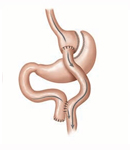
Roux en Y gastric bypass (RYGB) in Punjab

This is a bypass procedure with both restrictive and malabsorptive elements, plus a strong metabolic effect.

Why it can be powerful for diabetes:

  • Strong gut hormone changes
  • Often excellent outcomes for diabetes remission, especially in selected patients
  • Often helpful when reflux is an issue

It also has specific long term nutritional needs and dumping syndrome can happen if you eat very sugary foods. Not everybody gets it, but it’s a known effect.

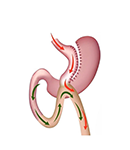
Mini or One anastomosis gastric bypass (OAGB) in Punjab

Some centers offer this. It’s a simplified bypass with one connection.

Selection considerations vary. The surgeon will weigh factors like reflux risk, nutritional follow up, BMI, eating patterns, and your medical history.

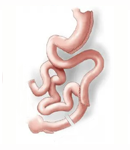
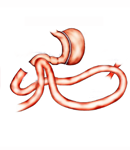
Sleeve plus procedures like sleeve with duodenojejunal bypass or Proximal jejunal bypass are the ideal metabolic procedures for patients with BMI > 27.5Kg/m2

How your bariatric surgeon choose the right procedure

Good teams don’t pick a procedure just because it’s popular. They consider:

  • BMI
  • Reflux symptoms and endoscopy findings
  • Eating habits (sweet eating, grazing, binge patterns)
  • Diabetes duration and current medicines, insulin dose
  • Surgical risk and other medical conditions
Results you can realistically expect: blood sugar, medicines, and weight

Most patients see:

  • Lower fasting and post meal sugars
  • Lower HbA1c over the next 3 to 6 months
  • Less need for medicines, and many reduce or stop insulin
  • Significant weight loss over 6 to 18 months depending on procedure and adherence
  • Improvement in BP, triglycerides, fatty liver, sleep apnea symptoms, mobility
But results vary. Some predictors of better diabetes improvement include:

  • Shorter duration of diabetes
  • Lower insulin requirement pre surgery
  • Better beta cell reserve (your doctor may infer this from your history and labs)
  • Strong adherence to diet stages, protein intake, activity
  • Regular follow up
What happens to diabetes medications after surgery?

Usually, medicines change quickly. Sometimes from day 1.

  • Insulin doses may be reduced immediately to avoid hypoglycemia
  • Some tablets (especially those that can cause low sugar) may be stopped early
  • Metformin may continue for a while in some patients
  • Adjustments are supervised, based on your readings

Long term view matters. Weight regain can happen. Diabetes recurrence can happen. The people who do best treat follow up like a routine. Not optional.

Safety, risks, and recovery: what patients should know before surgery

Metabolic surgery is common now, and techniques have improved. But it’s still surgery. So it has risks.

Short term risks (high level):

  • Bleeding
  • Infection
  • Leak from staple lines or connections
  • Blood clots
  • Anesthesia related issues

Long term considerations:

  • Nutritional deficiencies (iron, B12, folate, vitamin D, calcium, sometimes others)
  • Dumping syndrome (more common with bypass)
  • Reflux (more common with sleeve in some patients)
  • Gallstones with rapid weight loss
  • Low blood sugar episodes, especially if meals are irregular or sugary

Recovery timeline (roughly, and depends on surgeon protocol and your health):

  • Hospital stay: often 2 to 3 days for many patients, sometimes longer
  • Back to light work: commonly 1 to 3 weeks depending on job type
  • Activity: walking early, then gradual increase, strength training later as cleared

Choosing an experienced team in Punjab matters because outcomes are not just surgeon skill. It’s the system.

You want:

  • Surgeon
  • Endocrinologist or diabetologist
  • Dietitian
  • Psychologist support if needed
  • Physiotherapy or exercise guidance
  • Clear emergency coverage if something feels off after discharge
Pre surgery evaluation checklist (endocrine + surgical)

A proper workup feels a bit long. That’s good. It means they’re not rushing you.

Typical evaluation includes:

Diabetes assessment

  • HbA1c
  • Current medication list and timing
  • Hypoglycemia history
  • Sugar log (fasting and post meal)
  • Screening for complications (eyes, kidneys, nerves, heart risk)

Medical fitness

  • Cardiac evaluation if indicated
  • Sleep apnea screening (many people don’t realize they have it)
  • Liver health, especially fatty liver
  • Kidney function and electrolytes

Nutrition evaluation

  • Baseline deficiencies (iron, B12, vitamin D, etc.)
  • Protein targets
  • Supplement plan and brands they trust
  • Education on post op diet phases

Lifestyle readiness

  • Smoking cessation
  • Alcohol discussion
  • Ability to follow a structured type 2 diabetes diet plan to lose weight before and after surgery
  • Family support, work routine, travel distance for follow ups

And goal setting. Not vague goals. Real ones. Reduce medicines. Improve mobility. Improve fertility if relevant. Lower BP. Lower triglycerides.

Diet after diabetes surgery: the simple stages (and what to eat after Metabolic surgery)

Every hospital has its own protocol, so follow that. But most plans look like this:

  1. Liquids phase
  2. Pureed or soft phase
  3. Regular textured meals (small portions, slow eating)

Rules that keep showing up for a reason:
  • Protein first. Every meal.
  • Small portions. Chew well. Eat slow.
  • Hydration matters, but don’t gulp. Sip through the day.
  • Don’t drink right with meals if your team advises spacing fluids from meals.
  • Avoid sugar heavy foods to prevent dumping and sugar spikes then crashes.

This is basically a “good diet for type 2 diabetes” but with much smaller volumes, and stricter protein focus.

Best diet for type 2 diabetes (with or without surgery): what actually works

People want a single magic diet name. Keto. No carbs. Only salad. Only soups.

Most of the time, what works is boring. In a good way.

Core principles:

  • Calorie control without starvation
  • Adequate protein
  • High fiber foods
  • Low added sugar
  • Balanced carbs, not zero carbs for everyone

Carb quality over carb fear:

  • Choose whole grains, millets, legumes, vegetables
  • Limit refined flour items, bakery snacks, sugary drinks

Fats:

  • Prefer unsaturated fats (nuts in portion, seeds, mustard oil or olive oil if you use it)
  • Avoid trans fats
  • Watch portion sizes, even with “healthy” fats

Punjabi context, because that’s where most plans fail if they ignore reality:

  • Roti is fine, but portion matters. Also try multigrain, bajra, jowar sometimes.
  • Rice is fine, but smaller portions and prefer less polished if you can.
  • Dal, chana, rajma are excellent, but don’t drown them in ghee.
  • Paneer and curd help protein, again portion matters.
  • Sabzi and salad should be non negotiable.
  • Fruit is fine. But not fruit juice. And not 4 mangoes in one sitting, you know.

The point is to “reduce diabetes” risk and progression through a pattern you can repeat, not a crash diet you quit in 10 days.

Reverse type 2 diabetes diet: what’s realistic (and how surgery changes the equation)

When people say “reverse type 2 diabetes diet”, they usually mean reaching remission like numbers.

What’s realistic:

  • Some people can reach remission with diet driven weight loss, consistent activity, better sleep, stress control. Especially early in the disease.
  • Others try hard and still struggle because insulin resistance is high and beta cell function has already declined. For them, metabolic surgery can shift the biology.

A practical strategy that works for many (with or without surgery):

  • A consistent calorie deficit (not extreme, just consistent)
  • High protein meals
  • Strength training to preserve muscle
  • Sleep improvement
  • Stress management (because stress hormones push sugars up)

What to monitor:

  • Fasting and post meal type 2 diabetes blood sugar levels
  • HbA1c trend every few months as advised
  • Medication changes only with doctor guidance, because improved sugars plus old doses can cause dangerous hypos
Type 2 diabetes diet plan to lose weight (sample structure you can follow)

Instead of writing a strict 1200 calorie plan for everyone, a better approach is a structure you can adjust.

A simple day structure:

  • Breakfast
  • Lunch
  • Dinner
  • 1 to 2 snacks if needed (especially if you get lows on medicines)

Aim for protein at each meal:

  • Eggs, curd, paneer, tofu, dal, chana, chicken, fish depending on preference

Portion guide (plate method) for many people:

  • Half plate: non starchy vegetables (sabzi, salad)
  • Quarter plate: protein
  • Quarter plate: carbs (roti or rice), adjusted to sugar response

Pre op vs post op:
  • Pre op: normal portions but controlled.
  • Post op: much smaller portions, protein becomes even more central, and you follow the phase wise diet.

Vegetarian notes (common in Punjab):

  • Use curd, paneer, tofu, dals, sprouts, soy chunks if tolerated, and consider a whey protein supplement if your dietitian approves.

Non vegetarian notes:

  • Eggs, chicken, fish can make protein targets easier with less carbs.

Personalize for conditions like kidney disease, pregnancy, high uric acid, liver disease. Don’t copy paste a plan from Instagram.

Menu for type 2 diabetes (Indian/Punjabi friendly sample menu)

One day sample idea (adjust portions to your needs and doctor advice):

Breakfast

  • 2 eggs omelette with vegetables (or paneer/tofu bhurji)
  • 1 small multigrain roti OR a small bowl of oats/porridge (unsweetened)
  • Plain tea or coffee without sugar (or use doctor approved sweetener)

Mid morning (if needed)

  • Unsweetened chaas OR a small bowl of curd
  • Or a small handful of nuts (not a full katori)

Lunch

  • Dal or chana
  • 1 to 2 rotis (size matters) OR small rice portion
  • Big salad plus sabzi
  • Curd if not already taken

Evening snack

  • Roasted chana / sprouts chaat (light)
  • Or a protein option recommended by your dietitian

Dinner

  • Lighter than lunch
  • Sabzi plus protein (paneer/tofu/egg/chicken)
  • 1 roti or skip carbs if your sugars respond better that way (not mandatory, just individualized)

Sweet cravings

  • Fruit portion (apple, guava, berries when available) instead of mithai
  • If you do dessert occasionally, do a small portion after a protein rich meal, not on an empty stomach

Beverages:

  • Water
  • Unsweetened chaas
  • Plain tea/coffee Avoid sugary lassi, soft drinks, packaged juices. They spike sugars fast.

Eating out tips in Punjab:

  • Choose tandoori, grilled, roasted options over fried
  • Dal, rajma, kadhi, sabzi are usually safer than creamy gravies
  • Share naan. Seriously, share it.
  • Dessert strategy: either skip or take 2 to 3 bites, not the whole plate
Medications and insulin after surgery: what usually changes

The “best insulin for type 2 diabetes” is not a single brand. It depends on your sugars, pattern, kidney function, lifestyle, risk of hypoglycemia, and your doctor’s plan.

After surgery, many patients:

  • Need much lower insulin doses quickly, sometimes immediately
  • Can stop insulin later if sugars remain controlled
  • Reduce tablets, especially those that can cause lows

Common medication patterns (always doctor led):

  • Sulfonylureas are often reduced or stopped early because of hypoglycemia risk
  • Metformin may be continued in some cases
  • GLP 1 medicines might be stopped or sometimes used later if weight regain occurs, depending on the patient
  • SGLT2 inhibitors need careful peri operative management due to dehydration and ketoacidosis risk in certain settings, so your doctor will guide timing

Important: never self adjust meds after surgery. Sugars can drop fast, and that’s good, but only if you handle it safely.

Finding the right “type 2 diabetes doctor near me” in Punjab

If you’re searching “type 2 diabetes doctor near me” in Punjab because you’re considering surgery, look for team based care, not a single hero doctor.

Your ideal team:

  • Metabolic or bariatric surgeon
  • Endocrinologist or diabetologist
  • Dietitian experienced in bariatric nutrition
  • Psychologist support (even one session can help screening and readiness)
  • Physiotherapist or exercise coach guidance

How to shortlist clinics or hospitals in Punjab:

  • Accreditation and proper operating setup
  • Surgeon volume and experience
  • Structured follow ups (not just one visit after surgery)
  • Nutrition support and supplement plan
  • Emergency coverage and clear contact pathway

Questions at the first visit:

  • Am I eligible, and why?
  • Which procedure do you recommend for me and what are the reasons?
  • What outcomes should I expect for HbA1c and insulin reduction?
  • What is the cost range and what does it include?
  • What is the follow up schedule for the first year?
Lifestyle after surgery: the habits that keep diabetes away long term

Surgery can push diabetes into remission. Lifestyle keeps it there.

Exercise plan (simple, realistic):

  • Start with walking. Increase duration weekly.
  • Add strength training when cleared. This helps preserve muscle and improves insulin sensitivity.
  • Even 2 to 3 days a week of basic resistance work makes a difference over time.

Sleep and stress: Bad sleep increases hunger hormones and worsens insulin resistance. Stress does similar things. This is not motivational talk, it’s physiology.

Monitoring:

  • HbA1c as advised
  • Vitamin and mineral labs on schedule
  • Home glucose monitoring as your doctor recommends, especially during medication changes
Is metabolic surgery in Punjab the right step for your type 2 diabetes?

Metabolic surgery in Punjab can be a genuinely powerful option if you have:

  • Type 2 diabetes that is hard to control
  • Overweight or obesity (or high risk metabolic profile)
  • Willingness to follow a lifelong plan: diet, supplements, activity, follow ups

It can improve sugars fast, reduce medicines and insulin, and support major weight loss. But it asks for commitment. Not perfection, just consistency.

Next step is simple: book a consultation with a metabolic surgeon and a diabetologist/endocrinologist in Punjab, take your reports, your medicine list, and your recent sugar logs. Get a personalized answer for your body and your diabetes.

Dr Amit Garg

Minimal Access Bariatric
Metabolic & GI Surgeon

Why India is “affordable” for bariatric surgery (and not necessarily cheap)

First, let’s separate two words people mix up.

Affordable does not have to mean low quality. It often means the overall healthcare economics are different.

India is cheaper for bariatric surgery mainly because:

  • Hospital operating costs are lower.
  • Surgeon and staff costs are lower compared to Western countries
  • Medical tourism is competitive, so hospitals bundle packages
  • High procedure volume in metro hospitals can improve efficiency
What counts as weight loss surgery, exactly

Most people mean bariatric surgery. The big, common ones are:

1. Gastric Sleeve (Sleeve Gastrectomy) in India

A large portion of the stomach is removed, leaving a sleeve shaped stomach. You feel full sooner and hormone signals change too.
Why people pick it: no intestinal rerouting, simpler than bypass for many patients, strong results.

2. Gastric Bypass (Roux-en-Y) in India

Creates a small stomach pouch and reroutes part of the small intestine.
Why people pick it: very strong weight loss outcomes, helpful for type 2
diabetes control in many cases.

3. Mini Gastric Bypass (One Anastomosis Gastric Bypass) in India

A variant of bypass that is often shorter to perform, with one connection.
Why people pick it: effective, sometimes lower operative time, but needs a
surgeon experienced in this exact technique.

4. Adjustable Gastric Band (Lap Band) in India

A band is placed around the upper stomach to restrict intake.
Why it is less popular now: long term outcomes and complication rates have
made many surgeons move away from it.

5. Bariatric Revision Surgery in India

For people who had a prior bariatric procedure and need correction or
conversion.
This can be more complex and more expensive. Also, not every hospital is
good at revisions. Choose carefully.

6. Sleeve With loop bipartition or Sleeve plus Surgeries

How much does weight loss surgery cost in India (typical ranges)

Prices vary by city, hospital tier, surgeon reputation, and how complicated your case is. But realistic ballpark ranges for self pay patients often look like this:

  • Gastric Sleeve in India: roughly INR 3.0 to 3.5 lakhs (approx USD 3,000 to 3,500)
  • Gastric Bypass in India: roughly INR 3.5 to 4.5 lakhs (approx USD 3500 to 4500)
  • Mini Gastric Bypass: often similar to bypass, sometimes slightly lower, depending on center
  • Revision surgery: can be INR 5 to 7 lakhs (approx INR 5 to 7 lakhs USD 5,000 to 7,000+)

If you are comparing with the US where bariatric surgery can easily run USD 15,000 to 30,000+ , you can see why India is on the shortlist.
But do not stop at the surgery price alone. Budget for the full trip.

Travel budget reality check

If you are coming from outside India, consider:

  • flights
  • hotel stays (before admission, after discharge)
  • local transport
  • companion costs if someone travels with you
  • extra days in case recovery is slower than expected
  • follow up visits, medications, lab tests

Even after all that, many patients still end up far below Western costs. Just do not get surprised by the add ons.

What is usually included in an “all inclusive” bariatric package

Hospitals in India often offer bundled packages. Some are genuinely comprehensive. Some are “inclusive” in marketing only.
Typically included:

  • surgeon fee
  • anesthesia fee
  • OT charges
  • hospital stay (often 2 to 4 nights depending on procedure)
  • standard room category (not always deluxe)
  • basic pre op workup (blood tests, ECG, chest X ray)
  • dietician counseling (sometimes limited sessions)

Often not included, or included only partially:

  • ICU stay if unexpectedly needed
  • complications management (read the fine print)
  • advanced imaging if required
  • treatment for unrelated conditions discovered during workup
  • higher room categories
  • extended stay beyond package days
  • some medications after discharge
  • follow up after you return home (teleconsults may be extra)

Ask for the package inclusions in writing.

Who qualifies for weight loss surgery (common criteria)

Most bariatric programs follow international guidelines with some variation.
Typical eligibility:

  • BMI 40+, or
  • BMI 35+ with obesity related conditions (type 2 diabetes, sleep apnea, hypertension, fatty liver, joint issues), and sometimes
  • BMI 30 to 35 in select cases with poorly controlled diabetes or metabolic disease, depending on surgeon and guidelines used

You also need:

  • ability to follow post op diet and supplementation
  • psychological readiness (some hospitals do a psych evaluation)
  • realistic expectations and willingness to attend follow ups

This part matters. Surgery is not a magic reset. It is a tool that works insanely well when you actually use it properly. Vitamins, protein, hydration, movement, follow up labs. The boring stuff.

Best cities in India for bariatric surgery (and why)

India is huge. Medical quality is not evenly distributed. You will find excellent bariatric programs in many places, but some cities are simply easier for international patients.
Common medical tourism hubs:

  • Chandigarh: lots of large multi specialty hospitals, international patient departments, flight connectivity. Dr Amit Garg and CODSILS is the main reason people prefer Chandigarh
  • Mumbai: high end private hospitals, strong surgical talent pool
  • Bengaluru: good corporate hospitals, strong systems and follow up culture in many centers
  • Chennai: known for cost effective care with solid quality in many hospitals
  • Hyderabad: competitive pricing, multiple reputable bariatric teams
  • Kochi: popular for some international patients, calmer pace, good hospitals

Instead of picking a city first, pick the surgeon and hospital first. Then the city follows.

How to choose the right hospital and surgeon (this is where people rush)

If you are trying to keep it affordable, you might be tempted to just chase the lowest quote.
Try not to.
A good selection checklist:

Surgeon focused questions

  • How many sleeve or bypass procedures do you perform per year
  • What is your leak rate and major complication rate, roughly
  • Are you trained specifically in bariatric and metabolic surgery
  • Do you do the surgery yourself or is it a rotating team
  • What is your approach to follow up and long term monitoring
  • How do you handle gallstones, reflux, or hiatal hernia if found

You want clear answers. Not defensive, not vague.

Hospital focused questions

  • Is the hospital accredited (NABH is common in India, JCI exists in some centers)
  • Do they have an ICU and specialists on call
  • Is there a dedicated bariatric coordinator and dietician
  • Do they have protocols for DVT prevention, early mobilization, pain control
  • Do they provide structured diet stages and supplementation plans

You are not being “difficult” by asking. This is your body.

The surgery experience in India, what it often looks like

Every hospital is different, but the general flow is pretty consistent.

Before surgery

You arrive, you meet the surgeon and team, you do pre op workup. Blood tests, imaging if needed, sometimes an endoscopy, sometimes a pulmonology or cardiology clearance if you have risk factors.

You will likely be asked to do:

  • a pre op diet (often liquid or low carb) for liver shrinkage
  • stop smoking, stop alcohol, adjust medications
  • plan for post op diet stages

Hospital stay

Most sleeve patients stay around 2 to 3 nights. Bypass can be 3 to 4 nights. Some discharge earlier, but I personally think an extra night is not the worst thing. Especially if you flew in.
Pain is usually manageable. Walking starts early. Sips of water, then clear liquids.

After discharge

You will be on staged diet progression. Clear liquids, full liquids, pureed, soft, then regular textured food. The timeline varies by surgeon.

You also start:

  • vitamins and minerals (this is non negotiable, especially for bypass)
  • protein supplementation
  • hydration goals

Expect fatigue. Mood swings sometimes. Weird taste changes. This is normal, within reason.

Hidden costs and common mistakes (so you do not step on the same rake)

Here are the common “I wish I knew this earlier” items.

1. You might need extra days in India

If you are traveling internationally, plan to stay at least 10 to 14 days total, sometimes longer depending on surgeon preference and your healing.
Flying too early increases risk of clots, dehydration, discomfort, and just overall misery.

2. Cheap quotes sometimes exclude essentials

Some quotes do not include:

  • stapler charges
  • consumables
  • compression stockings
  • OT time beyond a set limit
  • management of comorbidities

Always get a written inclusion list.

3. Follow up care at home needs planning

Weight loss surgery is not a one time thing. You need follow up labs, vitamin monitoring, sometimes medication adjustments, and a primary doctor who is not hostile to bariatric patients.

Before you fly, ask for:

  • operative notes
  • discharge summary
  • diet plan
  • supplement plan
  • schedule for labs (3 months, 6 months, 12 months, annually)
  • contact email or WhatsApp for follow up questions

4. Do not ignore reflux symptoms

If you already have bad GERD, sleeve might worsen it in some patients. Bypass often helps reflux, but each case is unique. A pre op endoscopy and proper discussion matters here.

5. Revision surgeries are not bargain shopping territory

If you need a revision, choose a center that does revisions routinely. The cheapest option is rarely the safest in that category.

Is bariatric surgery in India safe

It can be very safe. India has world class surgeons and hospitals, especially in major cities and established centers. Many hospitals follow protocols comparable to international standards.

But safety depends on:

  • surgeon experience
  • hospital systems
  • your health status and preparation
  • post op monitoring and follow up compliance

So the honest answer is yes, it can be safe. But you have to choose carefully, and you have to do your part too.

How to start the process (simple steps)

If you are serious about doing this in India, here is a clean way to start without getting overwhelmed.

  • Shortlist 3 to 5 hospitals or surgeons based on reviews, credentials, and volume.
  • Request a video consultation and share your basic health info.
  • Ask for a written package quote with inclusions and exclusions.
  • Check what pre op tests you can do at home to save time in India.
  • Plan your stay with buffer days.
  • Arrange post op follow up back home and commit to lab monitoring.

And honestly, listen to your gut during consults. If the coordinator is pushy, if questions annoy them, if they promise unrealistic outcomes, it is okay to move on.

Expected weight loss results (rough idea, not a promise)

Results vary, but many patients see:

  • Sleeve: often around 50 to 70% excess weight loss over 12 to 18 months
  • Bypass: often around 60 to 80% excess weight loss over 12 to 18 months

Metabolic improvements, especially for type 2 diabetes, can happen quickly after bypass and sometimes after sleeve too.

But results depend heavily on follow up, protein intake, activity, sleep, and whether old habits quietly creep back in. It happens. You just correct course and keep going.

Final thoughts

Affordable weight loss surgery in India is real. The numbers can make sense even after flights and hotels. And there are surgeons there who do this every day, with strong outcomes, solid protocols, and real support systems.

Just do not treat “affordable” like “pick the lowest price and hope for the best”.

Pick experience. Pick a hospital that has systems. Ask the annoying questions. Get everything in writing. Plan your follow ups before you even board the flight.

If you do it that way, India can be not just the cheaper option, but the smart option.

Make An Appointment

Call:6283337650

OR

    Name (required)

    Email Id (required)

    Phone Number (required)

    City

    Message for the Doctor (If Any)

    Frequently Asked Questions

    before image
    What is diabetes surgery in Punjab and who is it for?

    Diabetes surgery in Punjab typically refers to metabolic or bariatric surgery aimed at treating type 2 diabetes. It’s designed not just for weight loss but to improve blood sugar control, reduce medication, sometimes stop insulin, and lower long-term risks from diabetes complications. It is mainly for people with type 2 diabetes associated with overweight, belly fat, fatty liver, sleep apnea, or high blood pressure who have difficulty controlling their sugars despite medical therapy.

    How does metabolic surgery help manage type 2 diabetes beyond just weight loss?

    Metabolic surgery improves type 2 diabetes by altering gut hormones like GLP-1 that enhance insulin secretion and reduce appetite, changing bile acids that influence metabolism, improving insulin sensitivity especially in the liver, regulating appetite leading to earlier fullness and reduced calorie intake, and decreasing cravings for sugary foods. Many patients see improved blood sugar levels within days after surgery even before significant weight loss.

    Who is eligible for metabolic (diabetes) surgery in Punjab?

    Eligibility usually includes having type 2 diabetes with overweight or obesity (commonly BMI above 35, sometimes 30-34.9 in uncontrolled cases), difficulty controlling blood sugar despite best medical therapy, use of multiple medicines including insulin, persistently high HbA1c levels, and presence of related issues like fatty liver or sleep apnea. Early intervention offers better outcomes. Patients must also be able to follow up regularly and maintain diet and supplements.

    Is metabolic surgery suitable for all types of diabetes?

    No. Metabolic surgery is primarily effective for type 2 diabetes because it targets insulin resistance and related mechanisms. It is not typically used as a primary treatment for type 1 diabetes since that involves autoimmune destruction of insulin-producing cells. Other types like gestational or steroid-induced diabetes require different management approaches.

    What should patients expect before and after undergoing metabolic surgery for diabetes?

    Patients undergo a thorough pre-surgery workup including evaluation of blood sugar control (HbA1c, fasting glucose, post-meal readings). Post-surgery requires lifelong follow-up with lifestyle changes such as altered diet focusing on protein and vitamins, regular physical activity, monitoring blood sugars closely as medication plans change rapidly. Surgery is a powerful tool but not a quick fix or magic cure; realistic expectations are essential.

    When might metabolic surgery not be appropriate for a person with type 2 diabetes?

    Surgery may not be appropriate if there is uncontrolled psychiatric illness, active substance abuse, inability to adhere to follow-up care or dietary requirements, or certain medical contraindications identified during screening. These criteria ensure patient safety and optimize surgical outcomes since the procedure requires a solid support system and commitment.

    Weight loss surgery in Amritsar | Punjab | Dr Amit Garg

    before image

    Laparoscopic Bariatric & Metabolic Procedures

    before image

    Bariatric surgery is scientifically proven procedure that aims to help individuals with obesity achieve
    significant and sustainable weight loss by altering the digestive system. There are several types of
    bariatric procedures, each with its own approach and mechanism of action

    Roux-en-Y Gastric Bypass

    Roux-en-Y Gastric Bypass

    Read More

    Mini Gastric Bypass

    Mini Gastric Bypass

    Read More

    Sleeve Gastrectomy

    Sleeve Gastrectomy

    Read More

    Sleeve Gastrectomy with Proximal Jejunal Bypass

    Sleeve Gastrectomy with Proximal Jejunal Bypass

    Read More

    Loop Duodeno Jejunal with Sleeve Gastrectomy

    Loop Duodeno Jejunal with Sleeve Gastrectomy

    Read More

    Single Incision (Zero Scar) Bariatric Surgery

    Single Incision
    (Zero Scar)
    Bariatric Surgery

    Read More

    Fill our health questionnaire and find out if you are eligible for bariatric surgery

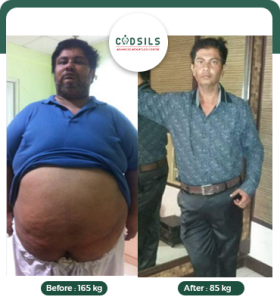
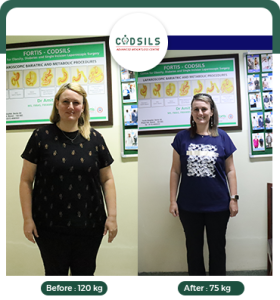
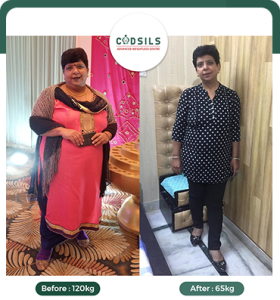
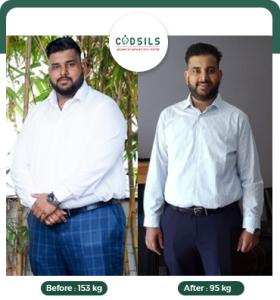
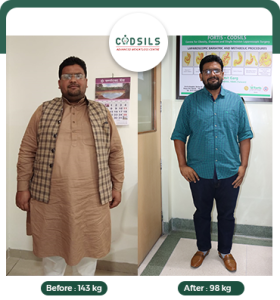
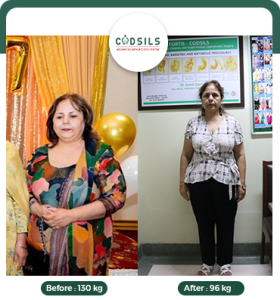
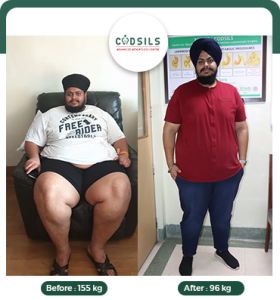
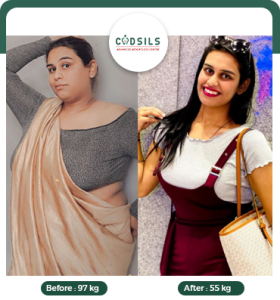
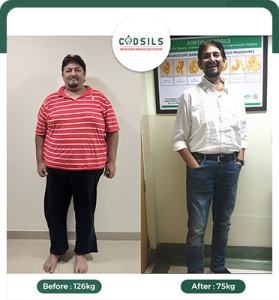
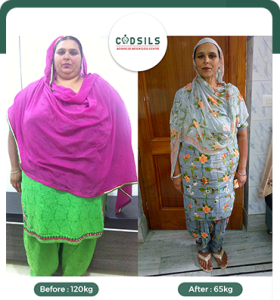
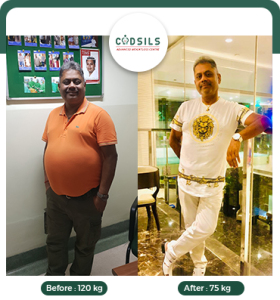
    Bariatric Surgery Results

    before image
    3000+

    Bariatric Surgery

    2000+

    Metabolic Surgeries

    10000+

    Laparoscopic GI Surgeries

    Our Patient’s Testimonials

    before image

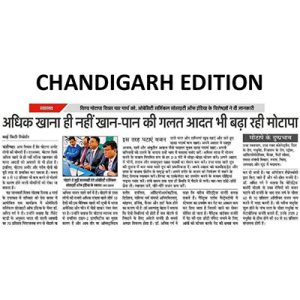
    Latest News

    before image

    Latest Events

    before image
    Translate »
    WhatsApp chat