



How to Choose a Laparoscopic Surgeon in Punjab: Checklist
CALCULATE BMI

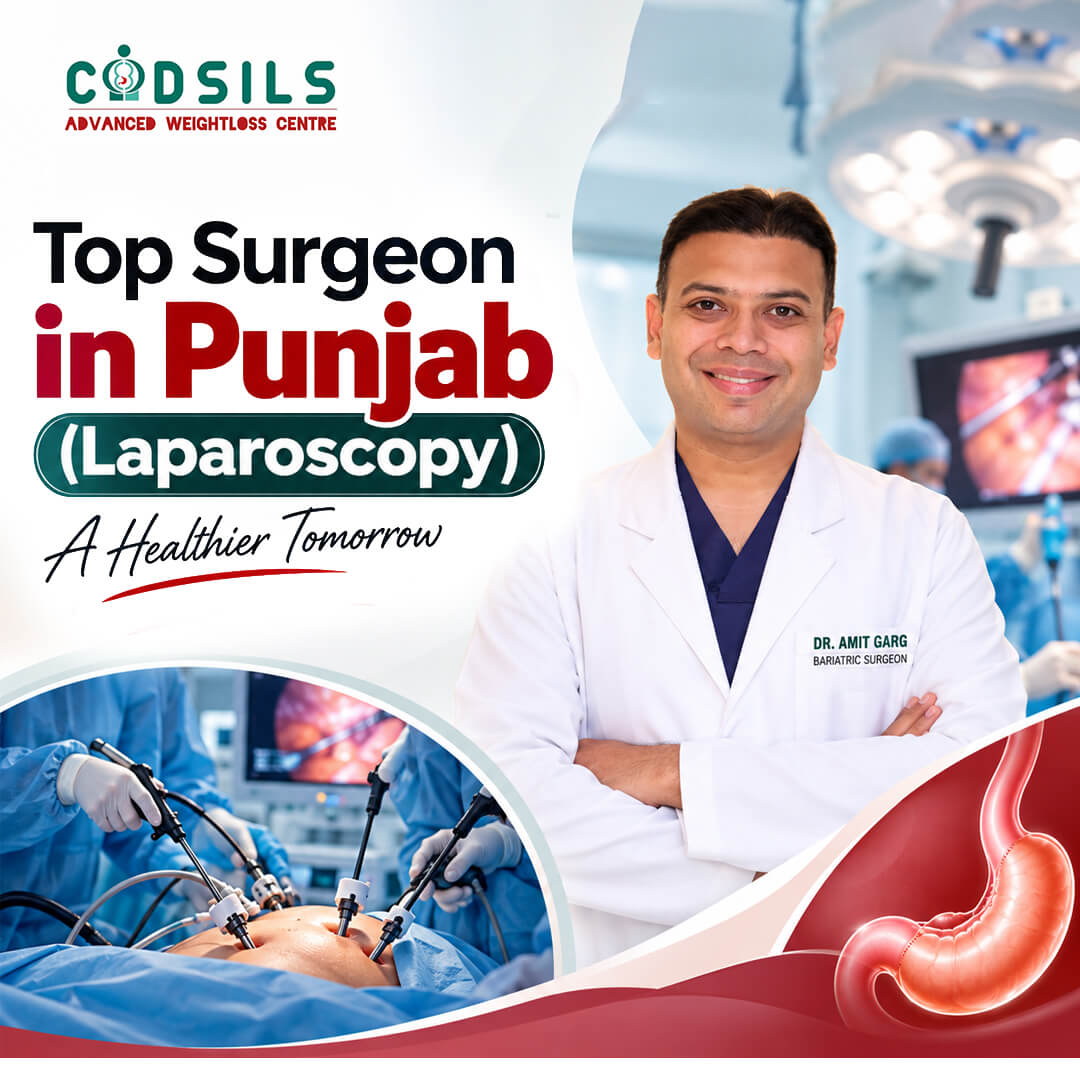
Top surgeon in Punjab (Laparoscopy) – Dr Amit Garg

Picking a top laparoscopic surgeon is not like picking a dentist for a routine cleaning. It’s a high stakes decision. Because it’s not just about “removing the gallbladder”
or “fixing the hernia” on paper.

Keep Reading

It’s about pain control after surgery, how fast you get back on your feet, whether you end up with a complication you never expected, and in gynecology cases, sometimes fertility too. The difference between a smooth recovery and a messy one can come down to skill, judgment, and the hospital setup behind the surgeon. A surgeon who is excellent for routine laparoscopic gallbladder surgery might not be the best fit for severe endometriosis or a recurrent hernia with prior mesh. Think of “top surgeon” as: top for your procedure, your level of complexity, and your health profile.

Why finding a top Laparoscopy surgeon Matters

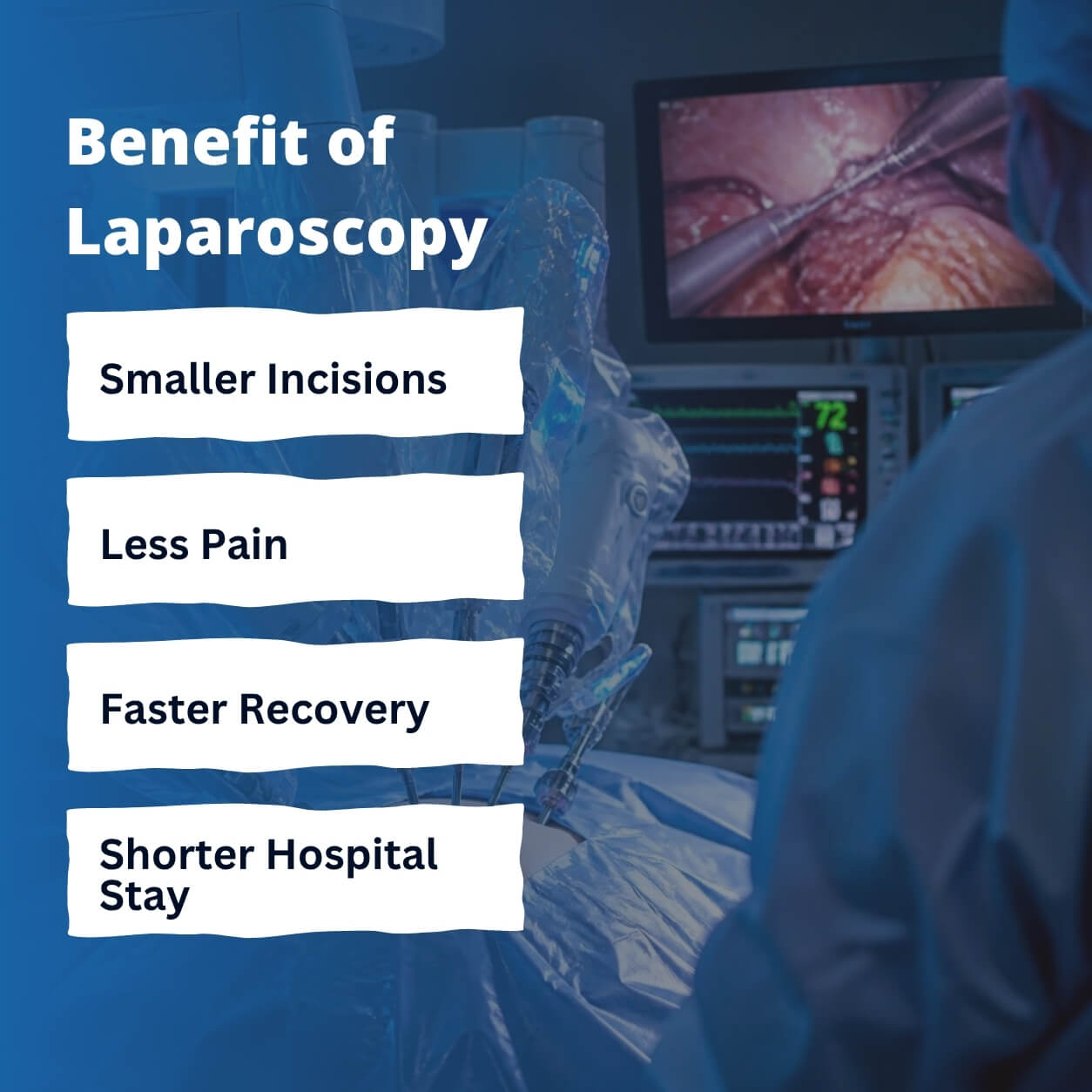
Laparoscopy is minimally invasive surgery done through small incisions using a camera and long instruments.

When it’s done well, it can feel almost like modern medicine doing what it promised.

The usual benefits for patients

  • Less pain compared to open surgery (not zero pain, just usually less).
  • Smaller scars.
  • Shorter hospital stay, often same day or 24 to 48 hours for many procedures.
  • Faster return to normal routine and work.
  • Lower wound infection risk in many cases.

But here’s the part people don’t talk about enough. Laparoscopy is not “easy surgery”. It’s surgery with a different set of skills.

Why surgeon expertise matters so much

A skilled laparoscopic surgeon is doing complex movements while looking at a screen, working in a limited space, controlling bleeding without big open access. And in the abdomen, important structures are close together.

This is where expertise affects real outcomes:

  • Preventing complications like bleeding, bile duct injury (in gallbladder cases), bowel injury, bladder injury, ureter injury.
  • Lower chance of conversion to open surgery, especially in inflamed, scarred, or complex cases.
  • Better handling of adhesions, unexpected anatomy, or difficult dissection.
  • Smoother recovery because the tissue handling and operative time are often better.

Also, the surgeon is not working alone. The quality of equipment, the anesthesia team, OT sterilization, nursing, ICU backup, and hospital protocols can quietly make a big difference. Sometimes the “best surgeon” in a weak setup is still not the best choice for a higher risk case.
What “Top Laparoscopy Surgeon” Really Means

A lot of people search “top surgeon in Punjab” and get hit with ads, lists, and rankings that feel confident… but don’t actually help you choose.

So let’s define “top” in a way that matters in real life.

Practical markers of a top laparoscopic surgeon

Keep Reading
  • Consistent outcomes over time, not one or two impressive stories.

  • Good judgment on case selection, meaning they know what can be safely done laparoscopically and when another approach is safer.
  • Strong safety habits, like checklist use, DVT prevention where appropriate, antibiotic protocols, and careful post op monitoring.
  • Transparent communication, including explaining risks and not pretending complications never happen.
  • A clear plan, including what happens if something unexpected is found during surgery.

Things that are not reliable markers

  • Social media popularity but you must check video testimonials
  • Fancy titles without context.
  • “100% success” claims. Surgery doesn’t work like that.
  • A hospital lobby that looks expensive.

What you actually want is the right match: the right surgeon for your specific procedure, at your complexity level.

Common Laparoscopic Procedures Patients Seek in Punjab

Different procedures require different levels of laparoscopic skill and different team support. So the first step is to know what bucket you fall into.

General surgery

Common laparoscopic procedures include:

  • Laparoscopic cholecystectomy (gallbladder removal)
  • Laparoscopic appendectomy
  • Laparoscopic hernia repair (TAPP/TEP for inguinal hernia, lap ventral hernia repair in selected cases)
  • Diagnostic laparoscopy (for unclear abdominal pain, biopsy, staging in some cancers under specialist care)

Hernias and inflamed gallbladders can vary a lot in complexity. A “simple” sounding case can become difficult based on adhesions, infection, obesity, prior surgeries, or anatomy.

Gynecology

Common laparoscopic gyne procedures include:

  • Ovarian cyst surgery
  • Endometriosis surgery (this can get advanced fast)
  • Selected fibroid cases
  • Laparoscopic hysterectomy
  • Infertility related diagnostic laparoscopy (and procedures like adhesiolysis where indicated)

If you suspect endometriosis, deep infiltrating disease, or you have prior surgeries, you want someone who handles complex lap gyne regularly. Not occasionally.

One question that cuts through the noise is simple: Ask how many cases of your exact procedure the surgeon does per month or per year. Not “laparoscopy in general”. Your procedure.

7 Signals You’re Looking at One of the Best Laparoscopy Doctors in Punjab

1) Relevant qualifications and training

Look for:

  • MS (General Surgery) / DNB (General Surgery) for general laparoscopic procedures.
  • MS/DNB (Obstetrics and Gynecology) for laparoscopic gyane surgery.
  • MCh/DNB (Urology) for advanced urology laparoscopy.
  • Additional laparoscopic fellowship or focused training is a plus, especially for advanced procedures.

Memberships like IAGES (Indian Association of Gastrointestinal Endo-Surgeons) or ASI (Association of Surgeons of India) can be a positive sign, but membership alone is not proof of skill.

2) High volume in your surgery

High volume usually means:

  • Better pattern recognition.
  • Faster, cleaner dissection.
  • More experience handling complications.
  • Better team rhythm in OT.

Again, not total lap cases. Your specific one.

3) Strong pre op workup

A good surgeon does not rush you to OT like it’s a race.

They will usually review:

  • Imaging (USG, CT, MRI depending on case)
  • Labs
  • Anesthesia fitness
  • Medication list (blood thinners, diabetes meds, supplements)
  • Optimization of diabetes, BP, thyroid issues if needed

This is where many complications are prevented quietly.

4) Clear communication that doesn’t feel slippery

They should be able to explain:

  • Why surgery is needed (or why you can wait).
  • Alternatives (including non surgical options when appropriate).
  • Expected recovery timeline.
  • Likely pain and how it will be managed.
  • Warning signs after discharge.

If everything is vague, or you feel rushed, that matters.

5) Honest discussion of risks and conversion

Conversion to open surgery is not a “failure”. Sometimes it’s the safest decision.

A good surgeon will explain what conversion means, how often it happens in their practice for similar cases, and why.

6) A good hospital setup

Even a great surgeon needs a safe environment.

Look for:

  • OT sterility standards and infection control
  • Experienced anesthesia team
  • ICU or HDU backup where relevant
  • Blood bank access (or a clear arrangement)
  • Emergency protocols

For complex cases, this is non negotiable.

7) Reliable follow up system

A top surgeon is not only great in OT. They are reachable after surgery, or have a clear coverage system.

Follow up matters because many issues show up after discharge:

  • fever, wound infection, urinary problems, bowel issues, increasing pain.

You want a team that doesn’t disappear.

Questions to Ask Before You Choose Your Surgery

Experience

  • “How many of these surgeries have you done in total?”
  • “How often do you perform this surgery now, per month or per year?”
  • “Do you handle complicated versions of this case, like prior surgery/obesity/infection?”

Outcomes and complications

  • “What complications do you see most commonly in this surgery?”
  • “What is your complication rate, roughly, for cases like mine?”
  • “How often do you convert to open surgery, and what are the common reasons?”
  • “What is the plan if you find severe adhesions or unexpected findings?”

Recovery

  • “How much pain is typical, and what medicines do you give?”
  • “When can I eat normally?”
  • “When can I return to work?”
  • “When can I lift weights or do heavy work?”
  • “What is the follow up schedule?”

Costs and transparency

  • “Can I get an itemized estimate?”
  • “What is included in the package and what is excluded?”
  • “Does this include anesthesia, OT charges, mesh or implants, medicines, investigations, and follow ups?”
  • “If the case becomes more complex, what changes the cost?”

Safety and who actually operates

  • “Will you be the primary surgeon for the full surgery?”
  • “Who is the assistant surgeon?”
  • “When will anesthesia evaluation happen?”
  • “If I have an issue at home after discharge, who do I call and what is the process?”
How to Shortlist the Top Surgeon in Punjab for Your Specific Case

1) Start with your category and match the specialist

  • Gallbladder, appendix, hernia: general surgeon with strong lap volume
  • Ovarian cyst, hysterectomy, endometriosis: gynecologist with lap expertise
  • Kidney or ureter surgery: urologist in a center that regularly does these procedures

2) Verify credentials properly

  • Medical council registration (state medical council or NMC listing as applicable)
  • Degrees and specialization
  • Hospital privileges, where they operate regularly
  • Years in practice, and more importantly, recent volume

3) Read patient reviews like an adult

Reviews are useful when you look for patterns:

  • Do many people mention poor communication?
  • Are there repeated complaints about infections or unexpected charges?
  • Are follow ups described as supportive or difficult?

One angry review doesn’t mean much. Ten similar ones do.

4) Prefer a consult first approach

The best consults usually feel like this:

  • They listen.
  • They look at your reports carefully.
  • They explain options.
  • They don’t rush you into booking a date in the first five minutes.

5) Get two opinions for complex cases

This is especially worth it for:

  • Severe endometriosis
  • Recurrent hernia
  • Large fibroids (and fertility concerns)
  • Prior multiple abdominal surgeries
  • Significant medical conditions (heart disease, poorly controlled diabetes)
Where Patients Commonly Look in Punjab

Punjab has excellent surgeons across the state, but the availability of advanced laparoscopy and strong backup facilities tends to cluster around larger hubs.

Chandigarh and Mohali

Often chosen for:

  • Multispecialty hospitals
  • Advanced imaging availability
  • ICU backup
  • Wider range of sub specialists

Good option for complex cases where you want depth in anesthesia and critical care support. Dr Amit Garg is the Best bariatric and advanced GI surgeon who has experience to manage most complex cases laparoscopically.

What Recovery Looks Like After Laparoscopic Surgery

Recovery varies by procedure and your baseline health, but most people want a realistic picture before they commit.

Typical timelines 

  • Many laparoscopic surgeries allow same day or 24 to 48 hour discharge.
  • Light activity often within a few days, depending on pain and dizziness.
  • Return to routine desk work is often around 1 to 2 weeks for many procedures, sometimes earlier, sometimes later.
  • Heavy lifting and strenuous gym work may be restricted longer, especially for hernia repairs. Your surgeon should give a written timeline.

Pain expectations

Two common pain types:

  • Incision soreness around the small cuts.
  • Shoulder tip pain, caused by the gas used during laparoscopy irritating the diaphragm. It can feel weird because the abdomen is fine but the shoulder hurts. It usually settles with time, walking, and prescribed pain relief.

Pain should generally improve day by day. Worsening pain is a red flag.

Diet and bowel habits

  • Hydration matters more than people think.
  • You may be advised a gradual diet progression depending on procedure and anesthesia effects.
  • Constipation is common after surgery due to pain meds and reduced movement, so stool softeners are sometimes prescribed. Follow your surgeon’s instructions, don’t self medicate randomly.

Wound care

You’ll usually get instructions on:

  • When to remove dressing
  • When to bathe
  • Whether stitches are absorbable
  • How to keep the area clean and dry

Watch for infection signs:

  • increasing redness, warmth
  • pus or foul discharge
  • worsening pain at the wound
  • fever

When to call the doctor urgently

Don’t wait it out if you have:

  • Fever
  • Persistent vomiting
  • Worsening abdominal pain
  • Breathing difficulty or chest pain
  • Heavy bleeding
  • Wound discharge or opening
  • Severe abdominal distension, inability to pass gas or stool
  • Dizziness or fainting

A good surgeon will tell you exactly how to reach them or the on call team.

Cost of Laparoscopic Surgery in Punjab

People want a clear number, but giving a hard number without knowing the hospital and case details is how misinformation spreads.

So here’s the honest version: cost depends.

What typically drives the cost

  • Type of procedure (lap appendix vs complex hernia vs advanced endometriosis)
  • City and hospital category (nursing home vs multispecialty hospital)
  • Surgeon experience and team
  • Anesthesia and OT time
  • Mesh or implants (for many hernia cases)
  • Complexity (adhesions, infection, obesity, prior surgeries)
  • Need for ICU or extended stay

What you should ask for

  • An itemized estimate
  • What is included: stay, OT, anesthesia, medicines, investigations, follow ups
  • What is excluded: special implants, unexpected ICU stay, extra days, extra investigations

Insurance notes

If you’re using insurance:

  • Ask about pre authorization early.
  • Confirm if the hospital is in network.
  • Confirm package limits and what documents are needed.
  • Keep everything written. Approvals can get delayed over missing paperwork.
Putting It All Together: A Simple 3-Step Decision Framework

If you get overwhelmed, use this. Three steps. Clean and practical.

Step 1: Match the surgeon to the exact procedure and complexity

Not generic “best lap surgeon”. Specific. Gallbladder is not endometriosis. Recurrent hernia is not first time hernia.

Step 2: Validate safety

  • Hospital setup
  • Anesthesia support
  • ICU or emergency backup (as needed)
  • Sterility standards
  • Clear protocols and transparency about risks

Step 3: Validate trust

  • Communication quality
  • Willingness to answer questions
  • Follow up accessibility
  • A clear written plan and estimate

Before you go for consultation, keep your file ready:

  • scans
  • blood reports
  • discharge summaries of past surgeries
  • current medicines
  • allergies and chronic illnesses list

It makes the consult faster and better.

Conclusion: How to Find the Best Laro Doctor in Punjab for You

The “top surgeon in Punjab” is not a single person for every patient. The top surgeon for you is the one who does your procedure often, gets consistent outcomes, works in a safe setup, and communicates clearly so you’re not guessing what happens next.

Your next step is simple: Shortlist 2 to 3 surgeons. Ask the checklist questions. Compare the clarity of their plan, their comfort with your complexity level, and how solid the hospital support looks. Then decide.

And when you book that consult, bring your scans, reports, and full medication list. You’ll get a more accurate plan right away.

Dr Amit Garg

Minimal Access Bariatric
Metabolic & GI Surgeon

Why India is “affordable” for bariatric surgery (and not necessarily cheap)

First, let’s separate two words people mix up.

Affordable does not have to mean low quality. It often means the overall healthcare economics are different.

India is cheaper for bariatric surgery mainly because:

  • Hospital operating costs are lower.
  • Surgeon and staff costs are lower compared to Western countries
  • Medical tourism is competitive, so hospitals bundle packages
  • High procedure volume in metro hospitals can improve efficiency
What counts as weight loss surgery, exactly

Most people mean bariatric surgery. The big, common ones are:

1. Gastric Sleeve (Sleeve Gastrectomy) in India

A large portion of the stomach is removed, leaving a sleeve shaped stomach. You feel full sooner and hormone signals change too.
Why people pick it: no intestinal rerouting, simpler than bypass for many patients, strong results.

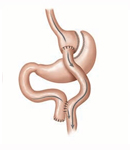
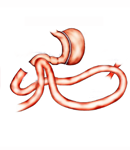
2. Gastric Bypass (Roux-en-Y) in India

Creates a small stomach pouch and reroutes part of the small intestine.
Why people pick it: very strong weight loss outcomes, helpful for type 2
diabetes control in many cases.

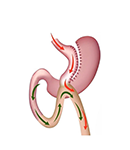
3. Mini Gastric Bypass (One Anastomosis Gastric Bypass) in India

A variant of bypass that is often shorter to perform, with one connection.
Why people pick it: effective, sometimes lower operative time, but needs a
surgeon experienced in this exact technique.

4. Adjustable Gastric Band (Lap Band) in India

A band is placed around the upper stomach to restrict intake.
Why it is less popular now: long term outcomes and complication rates have
made many surgeons move away from it.

5. Bariatric Revision Surgery in India

For people who had a prior bariatric procedure and need correction or
conversion.
This can be more complex and more expensive. Also, not every hospital is
good at revisions. Choose carefully.

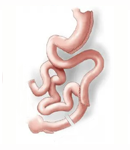
6. Sleeve With loop bipartition or Sleeve plus Surgeries

How much does weight loss surgery cost in India (typical ranges)

Prices vary by city, hospital tier, surgeon reputation, and how complicated your case is. But realistic ballpark ranges for self pay patients often look like this:

  • Gastric Sleeve in India: roughly INR 3.0 to 3.5 lakhs (approx USD 3,000 to 3,500)
  • Gastric Bypass in India: roughly INR 3.5 to 4.5 lakhs (approx USD 3500 to 4500)
  • Mini Gastric Bypass: often similar to bypass, sometimes slightly lower, depending on center
  • Revision surgery: can be INR 5 to 7 lakhs (approx INR 5 to 7 lakhs USD 5,000 to 7,000+)

If you are comparing with the US where bariatric surgery can easily run USD 15,000 to 30,000+ , you can see why India is on the shortlist.
But do not stop at the surgery price alone. Budget for the full trip.

Travel budget reality check

If you are coming from outside India, consider:

  • flights
  • hotel stays (before admission, after discharge)
  • local transport
  • companion costs if someone travels with you
  • extra days in case recovery is slower than expected
  • follow up visits, medications, lab tests

Even after all that, many patients still end up far below Western costs. Just do not get surprised by the add ons.

What is usually included in an “all inclusive” bariatric package

Hospitals in India often offer bundled packages. Some are genuinely comprehensive. Some are “inclusive” in marketing only.
Typically included:

  • surgeon fee
  • anesthesia fee
  • OT charges
  • hospital stay (often 2 to 4 nights depending on procedure)
  • standard room category (not always deluxe)
  • basic pre op workup (blood tests, ECG, chest X ray)
  • dietician counseling (sometimes limited sessions)

Often not included, or included only partially:

  • ICU stay if unexpectedly needed
  • complications management (read the fine print)
  • advanced imaging if required
  • treatment for unrelated conditions discovered during workup
  • higher room categories
  • extended stay beyond package days
  • some medications after discharge
  • follow up after you return home (teleconsults may be extra)

Ask for the package inclusions in writing.

Who qualifies for weight loss surgery (common criteria)

Most bariatric programs follow international guidelines with some variation.
Typical eligibility:

  • BMI 40+, or
  • BMI 35+ with obesity related conditions (type 2 diabetes, sleep apnea, hypertension, fatty liver, joint issues), and sometimes
  • BMI 30 to 35 in select cases with poorly controlled diabetes or metabolic disease, depending on surgeon and guidelines used

You also need:

  • ability to follow post op diet and supplementation
  • psychological readiness (some hospitals do a psych evaluation)
  • realistic expectations and willingness to attend follow ups

This part matters. Surgery is not a magic reset. It is a tool that works insanely well when you actually use it properly. Vitamins, protein, hydration, movement, follow up labs. The boring stuff.

Best cities in India for bariatric surgery (and why)

India is huge. Medical quality is not evenly distributed. You will find excellent bariatric programs in many places, but some cities are simply easier for international patients.
Common medical tourism hubs:

  • Chandigarh: lots of large multi specialty hospitals, international patient departments, flight connectivity. Dr Amit Garg and CODSILS is the main reason people prefer Chandigarh
  • Mumbai: high end private hospitals, strong surgical talent pool
  • Bengaluru: good corporate hospitals, strong systems and follow up culture in many centers
  • Chennai: known for cost effective care with solid quality in many hospitals
  • Hyderabad: competitive pricing, multiple reputable bariatric teams
  • Kochi: popular for some international patients, calmer pace, good hospitals

Instead of picking a city first, pick the surgeon and hospital first. Then the city follows.

How to choose the right hospital and surgeon (this is where people rush)

If you are trying to keep it affordable, you might be tempted to just chase the lowest quote.
Try not to.
A good selection checklist:

Surgeon focused questions

  • How many sleeve or bypass procedures do you perform per year
  • What is your leak rate and major complication rate, roughly
  • Are you trained specifically in bariatric and metabolic surgery
  • Do you do the surgery yourself or is it a rotating team
  • What is your approach to follow up and long term monitoring
  • How do you handle gallstones, reflux, or hiatal hernia if found

You want clear answers. Not defensive, not vague.

Hospital focused questions

  • Is the hospital accredited (NABH is common in India, JCI exists in some centers)
  • Do they have an ICU and specialists on call
  • Is there a dedicated bariatric coordinator and dietician
  • Do they have protocols for DVT prevention, early mobilization, pain control
  • Do they provide structured diet stages and supplementation plans

You are not being “difficult” by asking. This is your body.

The surgery experience in India, what it often looks like

Every hospital is different, but the general flow is pretty consistent.

Before surgery

You arrive, you meet the surgeon and team, you do pre op workup. Blood tests, imaging if needed, sometimes an endoscopy, sometimes a pulmonology or cardiology clearance if you have risk factors.

You will likely be asked to do:

  • a pre op diet (often liquid or low carb) for liver shrinkage
  • stop smoking, stop alcohol, adjust medications
  • plan for post op diet stages

Hospital stay

Most sleeve patients stay around 2 to 3 nights. Bypass can be 3 to 4 nights. Some discharge earlier, but I personally think an extra night is not the worst thing. Especially if you flew in.
Pain is usually manageable. Walking starts early. Sips of water, then clear liquids.

After discharge

You will be on staged diet progression. Clear liquids, full liquids, pureed, soft, then regular textured food. The timeline varies by surgeon.

You also start:

  • vitamins and minerals (this is non negotiable, especially for bypass)
  • protein supplementation
  • hydration goals

Expect fatigue. Mood swings sometimes. Weird taste changes. This is normal, within reason.

Hidden costs and common mistakes (so you do not step on the same rake)

Here are the common “I wish I knew this earlier” items.

1. You might need extra days in India

If you are traveling internationally, plan to stay at least 10 to 14 days total, sometimes longer depending on surgeon preference and your healing.
Flying too early increases risk of clots, dehydration, discomfort, and just overall misery.

2. Cheap quotes sometimes exclude essentials

Some quotes do not include:

  • stapler charges
  • consumables
  • compression stockings
  • OT time beyond a set limit
  • management of comorbidities

Always get a written inclusion list.

3. Follow up care at home needs planning

Weight loss surgery is not a one time thing. You need follow up labs, vitamin monitoring, sometimes medication adjustments, and a primary doctor who is not hostile to bariatric patients.

Before you fly, ask for:

  • operative notes
  • discharge summary
  • diet plan
  • supplement plan
  • schedule for labs (3 months, 6 months, 12 months, annually)
  • contact email or WhatsApp for follow up questions

4. Do not ignore reflux symptoms

If you already have bad GERD, sleeve might worsen it in some patients. Bypass often helps reflux, but each case is unique. A pre op endoscopy and proper discussion matters here.

5. Revision surgeries are not bargain shopping territory

If you need a revision, choose a center that does revisions routinely. The cheapest option is rarely the safest in that category.

Is bariatric surgery in India safe

It can be very safe. India has world class surgeons and hospitals, especially in major cities and established centers. Many hospitals follow protocols comparable to international standards.

But safety depends on:

  • surgeon experience
  • hospital systems
  • your health status and preparation
  • post op monitoring and follow up compliance

So the honest answer is yes, it can be safe. But you have to choose carefully, and you have to do your part too.

How to start the process (simple steps)

If you are serious about doing this in India, here is a clean way to start without getting overwhelmed.

  • Shortlist 3 to 5 hospitals or surgeons based on reviews, credentials, and volume.
  • Request a video consultation and share your basic health info.
  • Ask for a written package quote with inclusions and exclusions.
  • Check what pre op tests you can do at home to save time in India.
  • Plan your stay with buffer days.
  • Arrange post op follow up back home and commit to lab monitoring.

And honestly, listen to your gut during consults. If the coordinator is pushy, if questions annoy them, if they promise unrealistic outcomes, it is okay to move on.

Expected weight loss results (rough idea, not a promise)

Results vary, but many patients see:

  • Sleeve: often around 50 to 70% excess weight loss over 12 to 18 months
  • Bypass: often around 60 to 80% excess weight loss over 12 to 18 months

Metabolic improvements, especially for type 2 diabetes, can happen quickly after bypass and sometimes after sleeve too.

But results depend heavily on follow up, protein intake, activity, sleep, and whether old habits quietly creep back in. It happens. You just correct course and keep going.

Final thoughts

Affordable weight loss surgery in India is real. The numbers can make sense even after flights and hotels. And there are surgeons there who do this every day, with strong outcomes, solid protocols, and real support systems.

Just do not treat “affordable” like “pick the lowest price and hope for the best”.

Pick experience. Pick a hospital that has systems. Ask the annoying questions. Get everything in writing. Plan your follow ups before you even board the flight.

If you do it that way, India can be not just the cheaper option, but the smart option.

How to choose a laparoscopic surgeon in Punjab – Dr Amit Garg

Make An Appointment

Call:6283337650

OR

    Name (required)

    Email Id (required)

    Phone Number (required)

    City

    Message for the Doctor (If Any)

    Frequently Asked Questions

    before image
    Laparoscopic surgery recovery and questions to ask your surgeon
    Why is choosing the right laparoscopic surgeon in Punjab so important?

    Choosing the right laparoscopic surgeon in Punjab is crucial because surgery outcomes depend heavily on the surgeon’s skill, judgment, and the hospital setup. It affects pain control after surgery, speed of recovery, complication risks, and in gynecology cases, fertility outcomes. The right surgeon ensures a smoother recovery and better overall results tailored to your specific procedure and health profile.

    What are the main benefits of laparoscopic surgery compared to open surgery?

    Laparoscopic surgery offers several benefits including less pain compared to open surgery, smaller scars, shorter hospital stays (often same day or 24-48 hours), faster return to normal activities and work, and a lower risk of wound infections. However, it requires specialized skills for safe and effective performance.

    How can I identify a top laparoscopic surgeon in Punjab beyond advertisements and rankings?

    A top laparoscopic surgeon demonstrates consistent outcomes over time, exercises good judgment on case selection, follows strong safety protocols (like checklists and antibiotic use), communicates transparently about risks and plans, and has clear contingency plans for unexpected situations during surgery. Social media popularity or fancy titles are not reliable markers.

    What types of laparoscopic procedures are commonly performed by surgeons in Punjab?

    Common laparoscopic procedures in Punjab include general surgeries like gallbladder removal (laparoscopic cholecystectomy), appendectomy, hernia repair; gynecological surgeries such as ovarian cyst removal, endometriosis treatment, fibroid removal, hysterectomy; and selected urological procedures like varicocele surgery at specialized centers.

    Why does surgeon expertise matter so much in laparoscopic surgery?

    Surgeon expertise is vital because laparoscopic surgery involves operating through small incisions using a camera with limited space and visibility. Skilled surgeons prevent complications such as bleeding or organ injury, reduce the chance of converting to open surgery especially in complex cases, manage adhesions or unexpected anatomy effectively, and ensure smoother recovery through precise tissue handling.

    What should I consider about the hospital setup when choosing a laparoscopic surgeon in Punjab?

    The hospital setup impacts surgical safety and outcomes significantly. Consider factors like quality of surgical equipment, experienced anesthesia teams, proper OT sterilization protocols, skilled nursing staff, ICU backup availability, and established hospital protocols. A highly skilled surgeon working in a weak hospital setup may not be ideal for high-risk or complex cases

    Weight loss surgery in Amritsar | Punjab | Dr Amit Garg

    before image

    Laparoscopic Bariatric & Metabolic Procedures

    before image

    Bariatric surgery is scientifically proven procedure that aims to help individuals with obesity achieve
    significant and sustainable weight loss by altering the digestive system. There are several types of
    bariatric procedures, each with its own approach and mechanism of action

    Roux-en-Y Gastric Bypass

    Roux-en-Y Gastric Bypass

    Read More

    Mini Gastric Bypass

    Mini Gastric Bypass

    Read More

    Sleeve Gastrectomy

    Sleeve Gastrectomy

    Read More

    Sleeve Gastrectomy with Proximal Jejunal Bypass

    Sleeve Gastrectomy with Proximal Jejunal Bypass

    Read More

    Loop Duodeno Jejunal with Sleeve Gastrectomy

    Loop Duodeno Jejunal with Sleeve Gastrectomy

    Read More

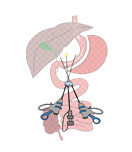
    Single Incision (Zero Scar) Bariatric Surgery

    Single Incision
    (Zero Scar)
    Bariatric Surgery

    Read More

    Fill our health questionnaire and find out if you are eligible for bariatric surgery

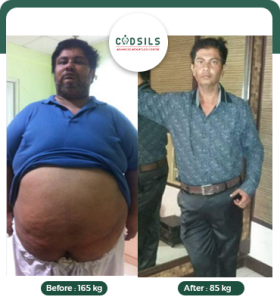
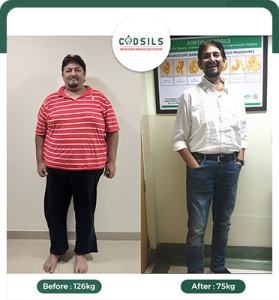
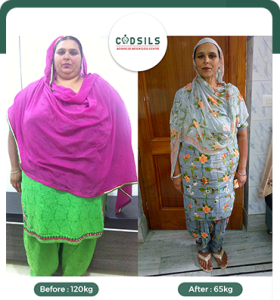
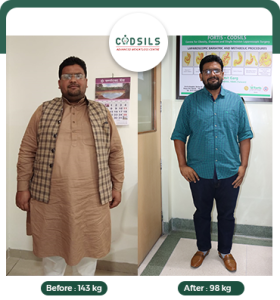
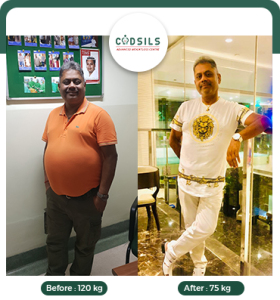
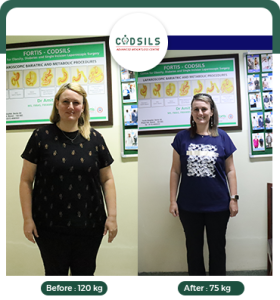
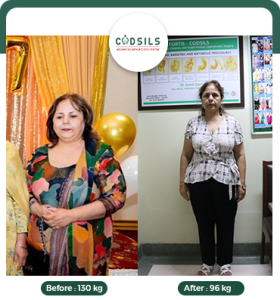
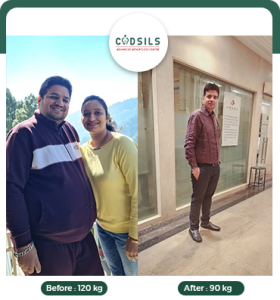
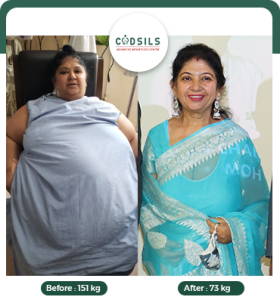
    Bariatric Surgery Results

    before image
    3000+

    Bariatric Surgery

    2000+

    Metabolic Surgeries

    10000+

    Laparoscopic GI Surgeries

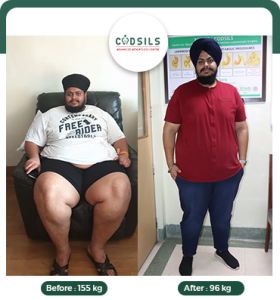
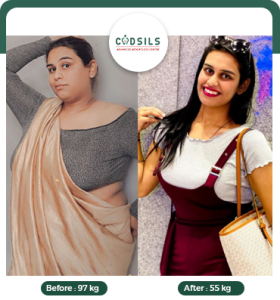
    Our Patient’s Testimonials

    before image

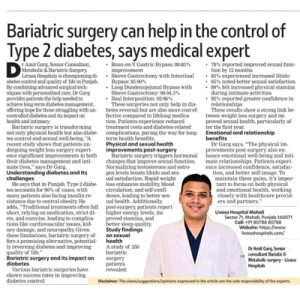
    Latest News

    before image

    Latest Events

    before image
    Translate »
    WhatsApp chat