



15 Oct Weight loss surgery for PCOS treatment – Dr Amit Garg
If you have PCOS and you have been trying to lose weight for years, you probably know the feeling. So when weight loss surgery comes up, the question is not only “will I lose weight?” It’s also, quietly, “will my PCOS finally calm down?”
The tricky part is that PCOS does not improve in one neat straight line. Some things get better fast. Others take months. A few are annoying and slow even when the weight loss is real and dramatic.
PCOS is not just a “period problem”
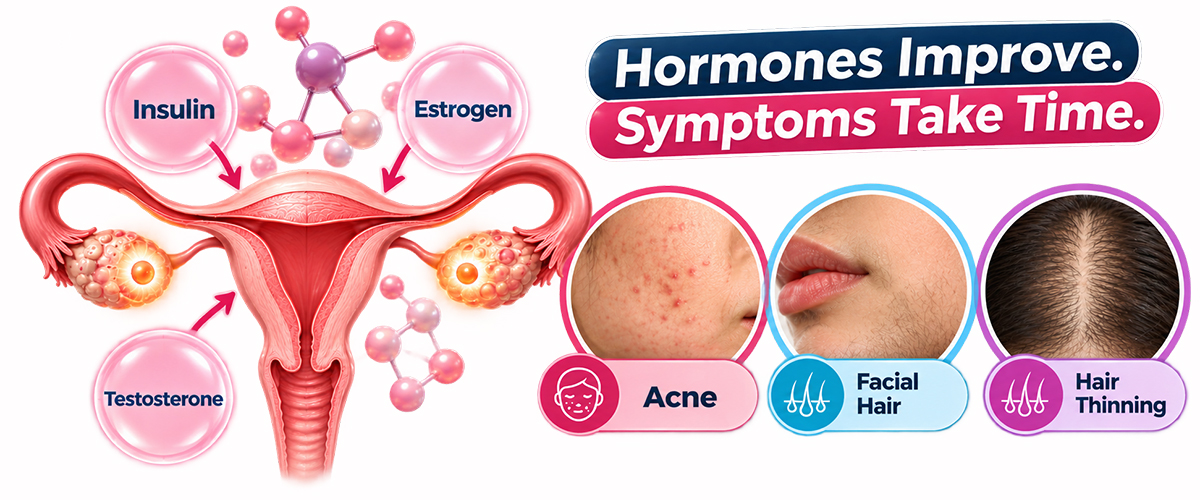
PCOS is really a metabolic and hormone pattern, and weight can make it louder. For many people, the core issue is insulin resistance. High insulin levels push the ovaries to make more androgens (testosterone like hormones). That affects ovulation, periods, acne, hair growth, scalp hair thinning, and sometimes fertility.
So if bariatric surgery for PCOS improves insulin resistance early (it often does), you can see PCOS symptoms shift earlier than you would expect just from weight loss alone.
And yes, you might be thinking, “Wait, how can it improve before I lose much weight?”
Because bariatric surgery for PCOS does more than shrink the stomach. It changes gut hormones, insulin response, appetite signals, inflammation. It can be a metabolic reset button for a lot of patients, especially those with prediabetes or type 2 diabetes.
What improves first after weight loss surgery
Different bodies, different surgeries, different starting points. But in clinic settings, there is a pattern that shows up again and again.
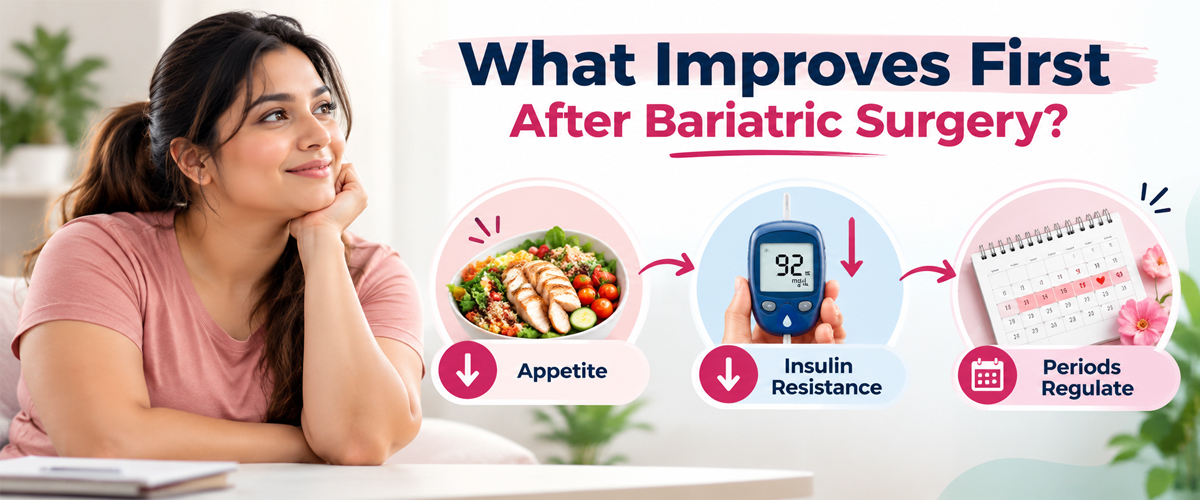
1) Hunger, cravings, and the constant “food noise” (often within days to weeks)
This is one of the earliest changes people report, and it matters for PCOS because appetite and cravings can be tied to insulin spikes and crashes.
After surgeries like sleeve gastrectomy or gastric bypass, many patients describe:
- less obsession with food
- less urgent snacking
- fewer sugar cravings
- feeling full faster, and staying full longer
Not everyone feels this instantly, but it is common. And when it happens, it makes the next steps easier. Better eating becomes possible without feeling like you are fighting yourself every hour.
2) Insulin resistance and blood sugar control (very early, sometimes before major weight loss)
This is the big one. The “PCOS engine” for many patients is high insulin.
After bariatric surgery for PCOS, especially gastric bypass, improvements in insulin sensitivity can happen early. That can show up as:
- lower fasting insulin or glucose levels
- improved HbA1c in those with prediabetes or diabetes
- less reactive hypoglycemia type hunger swings (in some people)
- reduced acanthosis nigricans (the dark velvety skin patches) over time
Now, it is not magic. You still need nutrition, protein, movement, sleep. But metabolically, many patients see changes sooner than expected.
Why this matters for PCOS: lower insulin can reduce ovarian androgen production. And that sets off a cascade where ovulation can return, cycles can normalize, and skin symptoms may slowly improve.
3) Periods becoming more regular (often within 1 to 3 months, sometimes sooner)
For a lot of women with PCOS, irregular periods are the most obvious sign something is off. After bariatric surgery for PCOS, as insulin improves and weight begins dropping, ovulation can restart.
What this can look like:
- a period that shows up unexpectedly after months of nothing
- cycles moving from “random” to “every 35 to 45 days” and then closer to 28 to 35 days
- less prolonged bleeding (though early on, some people have a messy transition phase)
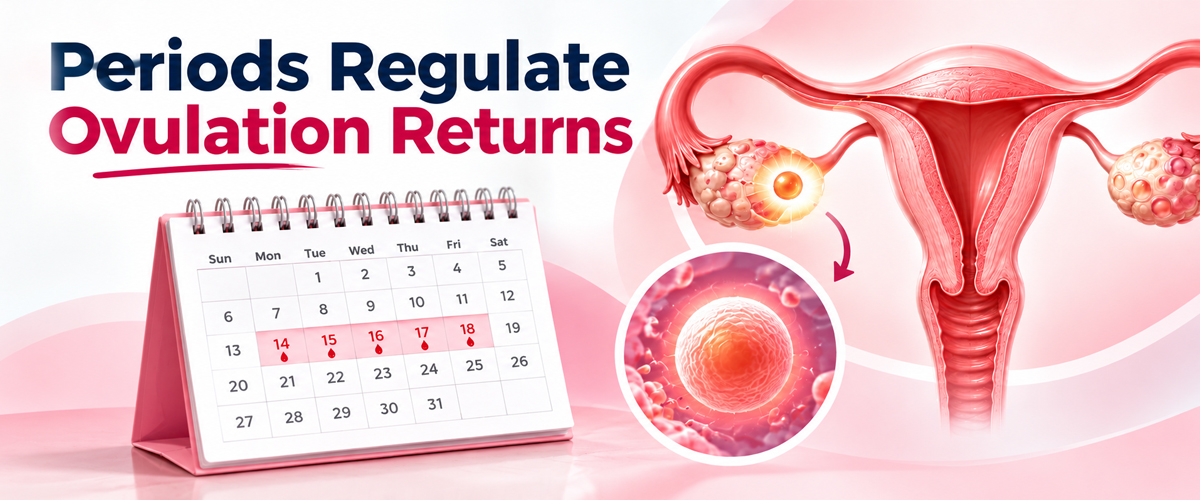
The first couple of months can be chaotic. Your body is adapting to rapid weight loss, lower calories, stress changes, and shifting hormones stored in fat tissue. So you might get one early period, then skip, then normalize. That can still be progress.
4) Ovulation and fertility (can return fast, sometimes surprisingly fast)
This needs its own section because it catches people off guard.
After bariatric surgery, fertility can improve quickly in women with PCOS. Not because bariatric surgery for PCOS is a “fertility treatment,” but because ovulation can resume once insulin and hormones settle.
So if you are not trying to conceive, you need contraception. And yes, even if you have not had regular periods in years. You can ovulate before your first “normal” period, which means pregnancy can happen earlier than expected.
Most bariatric programs advise avoiding pregnancy for about 12 to 18 months after surgery, because the rapid weight loss phase is not the ideal time nutritionally for a developing baby.
5) Testosterone and androgen related symptoms (improves, but usually slower)
High androgens are responsible for:
- acne
- excess facial/body hair (hirsutism)
- scalp hair thinning (androgenic alopecia)
After bariatric surgery for PCOS, labs like total testosterone or free androgen index may improve within months. But the visible symptoms have their own timelines.
Acne
Acne can improve within a few months for many patients as androgens drop. But there is a catch. Some people actually get a temporary acne flare early on because hormones are shifting quickly and stress is up, and the skin is adjusting.
Hirsutism (facial hair)
This is usually slow. Existing hair follicles that have been stimulated by androgens do not just “turn off” instantly. You might notice hair growing a bit slower or becoming finer over 6 to 12 months, but most patients still need cosmetic management (laser, electrolysis, threading, etc.).
Scalp hair thinning
This one is complicated because bariatric surgery itself can cause temporary hair shedding (telogen effluvium) around 3 to 6 months, usually due to rapid weight loss, stress, and protein or micronutrient gaps.
So you might have PCOS related thinning and then surgery related shedding on top. It is scary, but it is often temporary if nutrition is corrected.
Protein and supplements matter a lot here. So does checking ferritin, zinc, vitamin D, B12, folate. Do not guess.
6) Inflammation, fatty liver, and “metabolic PCOS” features (months, but steady)
PCOS often travels with other metabolic issues:
- fatty liver disease (NAFLD)
- high triglycerides
- low HDL
- elevated blood pressure
- chronic low-grade inflammation
Bariatric surgery for PCOS tends to improve these, sometimes dramatically, across 3 to 12 months. This is not only about PCOS symptoms, but about long term risk reduction. PCOS increases risk for type 2 diabetes and cardiovascular issues. Improving metabolic health is a big win, even if the cosmetic symptoms take longer.
7) Mood, energy, sleep (varies, but can improve earlier than expected)
PCOS and obesity both link with fatigue, low mood, anxiety, poor sleep, and sometimes sleep apnea.
After bariatric surgery for PCOS, energy can improve as blood sugar stabilizes and sleep quality improves. But early postoperative weeks can also feel rough because you are healing, adjusting to new eating patterns, and dealing with rapid changes.
If sleep apnea is present, treating it matters for PCOS too. Poor sleep increases insulin resistance. So if you use CPAP, keep using it, and retest when your doctor recommends.
Does the type of surgery matter for PCOS results?
It can.
In general, both sleeve gastrectomy and gastric bypass can improve PCOS symptoms through weight loss and metabolic changes. Some studies and clinical experience suggest gastric bypass may lead to faster or stronger improvements in insulin resistance in certain patients, which can mean earlier hormonal improvement.
But procedure choice is not just about PCOS. It depends on:
- BMI and health conditions
- reflux symptoms (important for sleeve decisions)
- diabetes severity
- eating patterns
- surgeon recommendation and safety profile
This is something worth discussing in a bariatric clinic that actually focuses on metabolic disease, not just weight.
If you are exploring options, CODSILS (www.codsils.com) has patient guidance around bariatric and metabolic care, and you can use that as a starting point to understand procedures and what follow up typically looks like.
The “PCOS after surgery” checklist that actually matters
If you want PCOS improvements to stick, surgery is only the beginning. The follow through matters a lot.
1) Protein first
Hair, muscle, healing, hormones. Protein affects all of it. Most programs give a target range. Hit it consistently.
2) Take supplements like it is part of the surgery
Not optional. Deficiencies can worsen fatigue, hair loss, mood, and sometimes menstrual issues.
Common labs to monitor (your doctor will tailor this): iron and ferritin, B12, folate, vitamin D, calcium, PTH, zinc, thiamine.
3) Strength training, not just walking
Walking is great. But resistance training improves insulin sensitivity and helps preserve lean mass during rapid weight loss. That is directly relevant for PCOS.
4) Track cycles and symptoms
Simple notes: cycle length, bleeding pattern, acne severity, hair growth changes, mood, sleep. It helps you see progress even when it is not dramatic.
5) Review medications with your doctors
Many women with PCOS are on metformin, inositol, oral contraceptives, spironolactone, thyroid meds. After surgery, doses may change. Some meds may no longer be needed. Do this with supervision.
So what improves first, in plain language?
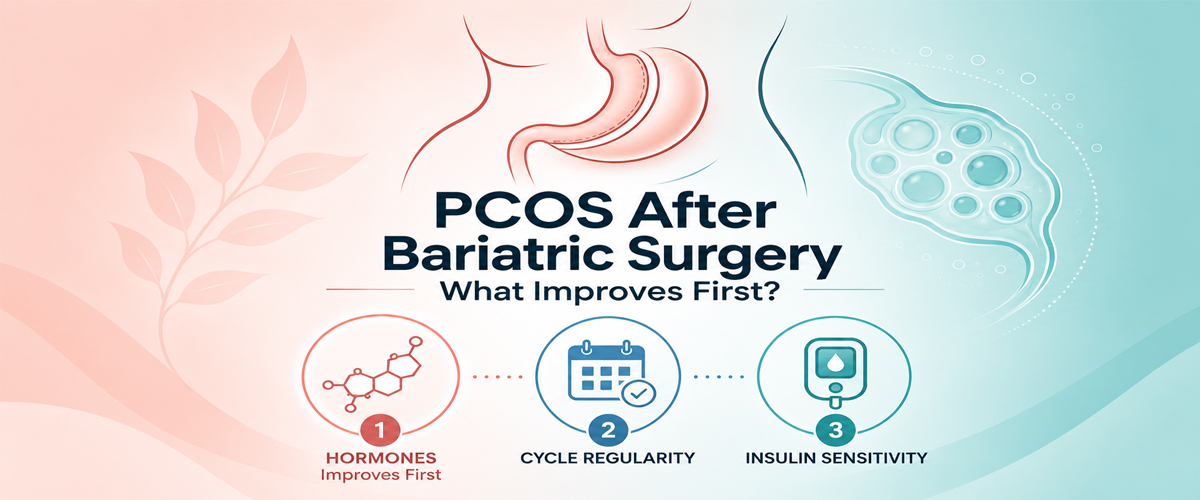
Usually, the earliest wins are metabolic.
- Appetite and cravings often quiet down early.
- Blood sugar and insulin response can improve very early.
- Periods may start to regulate within a few months.
- Ovulation can return fast, sometimes before you expect it.
- Acne may improve in months.
- Facial hair and scalp hair changes are slower and more complicated.
Bariatric surgery for PCOS can reduce the intensity of symptoms by improving insulin resistance and reducing androgen production. For many women, it is the first time their body feels like it is cooperating.
If you are considering bariatric surgery for PCOS, you can explore resources and book a consultation through CODSILS at www.codsils.com, especially if you want guidance that connects obesity care, diabetes risk, and minimally invasive bariatric options in one place.
FAQs (Frequently Asked Questions)
01 – How does bariatric surgery affect PCOS symptoms beyond weight loss?
Bariatric surgery can improve PCOS symptoms not just by reducing weight but also by changing gut hormones, insulin response, appetite signals, and inflammation. These metabolic changes often improve insulin resistance early, which can lead to shifts in PCOS symptoms even before significant weight loss occurs.
02 – What are the earliest improvements in PCOS after weight loss surgery?
One of the first improvements reported is reduced hunger, cravings, and constant ‘food noise,’ often within days to weeks. This reduction in appetite and sugar cravings helps patients manage eating better. Additionally, insulin resistance and blood sugar control often improve very early, sometimes before major weight loss happens.
03 – When can I expect my menstrual cycles to become more regular after bariatric surgery?
Periods typically start becoming more regular within 1 to 3 months after surgery. Ovulation may resume as insulin levels improve and weight drops. However, the initial months can be chaotic with irregular cycles as the body adapts to rapid changes.
04 – Can fertility improve quickly after bariatric surgery for women with PCOS?
Yes, fertility can return surprisingly fast because ovulation may resume once insulin and hormone levels stabilize. Women not trying to conceive should use contraception since pregnancy can occur before regular periods return. Most programs recommend avoiding pregnancy for 12 to 18 months post-surgery due to nutritional concerns during rapid weight loss.
05 – How soon do testosterone levels and androgen-related symptoms improve after bariatric surgery?
Testosterone levels and androgen-related symptoms such as acne, excess facial/body hair (hirsutism), and scalp hair thinning generally improve more slowly. Laboratory measures may show improvement within months, but visible symptom changes take longer and vary among individuals.
06 – Why is managing insulin resistance crucial for improving PCOS symptoms post-surgery?
Insulin resistance is a core issue in PCOS that drives high insulin levels, which stimulate ovaries to produce excess androgens affecting ovulation, periods, acne, hair growth, and fertility. Bariatric surgery often improves insulin sensitivity early on, reducing ovarian androgen production and helping restore hormonal balance critical for alleviating PCOS symptoms.
