



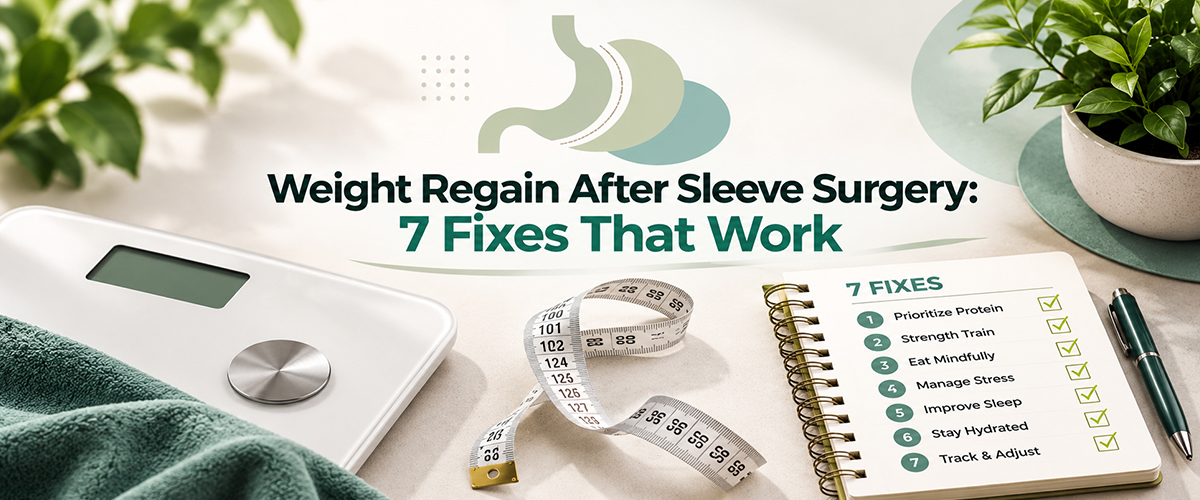
25 Sep Weight Regain After Sleeve surgery: 7 Fixes That Work
You got the gastric sleeve surgery. You lost weight. People noticed. Clothes fit. Energy came back. Maybe your blood sugar improved, your knees stopped screaming, your sleep got better.
And then… it started creeping up again.
Weight regain after sleeve gastrectomy is common. Not inevitable, but common. And usually, it’s not one big mistake. It’s a bunch of small stuff that stacks up. Portions drifting. More liquid calories. Less protein. Less movement. More snacking. Less sleep. More stress. A stretched routine, not always a stretched sleeve.
If you’re feeling stuck, getting a proper post sleeve evaluation matters. Clinics like CODSILS (www.codsils.com) work with bariatric patients’ long term, not just pre surgery, and can help you figure out whether this is nutrition, behavior, metabolism, or anatomy. Sometimes it’s more than one.
First, what counts as “weight regain” after sleeve?
There’s no single definition everyone uses, which is honestly annoying.
But in day-to-day terms, regain usually means you reached a lowest weight (your nadir), then regained a meaningful amount and it’s not just a normal fluctuation.
Many bariatric teams start paying close attention when you’ve regained around 10 to 15 percent of the weight you lost, or when your old problems start coming back. Hunger increases, portion sizes feel too easy, reflux worsens, sugar cravings kick up, diabetes numbers climb again.
If you’re up 2 kg from last month, that’s not the same thing. If you’re up 10 to 20 kg from your lowest and still trending upward, yeah. That’s the moment to step in.
And the earlier you step in, the easier it is. The longer it goes, the more “normal” the new habits start to feel.
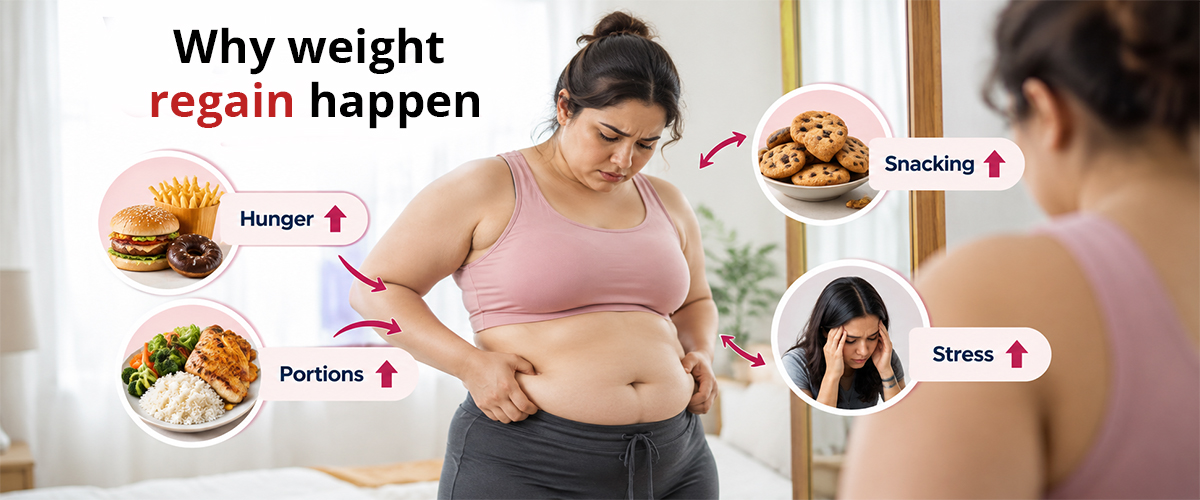
Why weight regain happens after sleeve
A sleeve is a powerful tool. It reduces stomach volume and changes gut hormones, especially early on. But over time:
- The body adapts. Metabolism can slow after major weight loss.
- Hunger hormones can creep back up.
- Your tolerance for larger portions can increase.
- Old coping patterns return under stress. Snacking, grazing, sweets, alcohol.
- Life happens. Travel, work, family, injury, menopause, medications.
Also, sometimes there’s an anatomical issue. Sleeve dilation, a large sleeve from the start, a widened antrum, or severe reflux that pushes you toward softer, higher calorie foods. Less common, but real.
Fix 1: Do a 7 day “reality check” food audit
Not forever. Just 7 days.
Most regain isn’t from your main meals. It’s from the in between stuff that doesn’t feel like “real eating.”
A handful of nuts here. A couple biscuits there. A latte. A juice. “Just tasting” while cooking. A second spoon of peanut butter. A few bites from your kid’s plate. That kind of thing.
What to do
For one week, track:
- Meal times
- Protein grams (rough estimate is fine)
- Snacks and bites
- Drinks with calories
- Alcohol
- Late night eating
- Hunger level before eating (0 to 10)
Use an app if you like. Or notes app. Or paper.
What you’re looking for
Patterns like:
- Protein is low (common)
- Calories are coming from liquids
- Grazing between meals
- Eating starts late, then continues late into night
- High fat snacks that are easy to overeat (nuts, cheese, chips)
- “Slider foods” dominating (more on that soon)
Fix 2: Rebuild the sleeve basics (protein first, then plants, then carbs)
I know you’ve heard it. But this is the foundation.
When regain starts, protein usually slides down and carbs slide up. Not because you’re weak. Because carbs are easy to eat. They go down fast. They feel comforting. And after sleeve, they can be “safe” when you’re busy.
The target (simple version)
Aim for:
- Protein: 80 to 100g/day (your team may set a different goal based on your body size and needs)
- Protein at every meal
- 3 structured meals
- 1 planned protein snack if needed
- Fluids: separate from meals (at least 30 minutes)
What “protein first” looks like
At meals, eat in this order:
- Protein (eggs, chicken, fish, paneer/tofu, dal plus curd, Greek yogurt)
- Vegetables
- Then, if still hungry, a small portion of carbs
This one change often drops calories without feeling like dieting, because protein actually sticks.
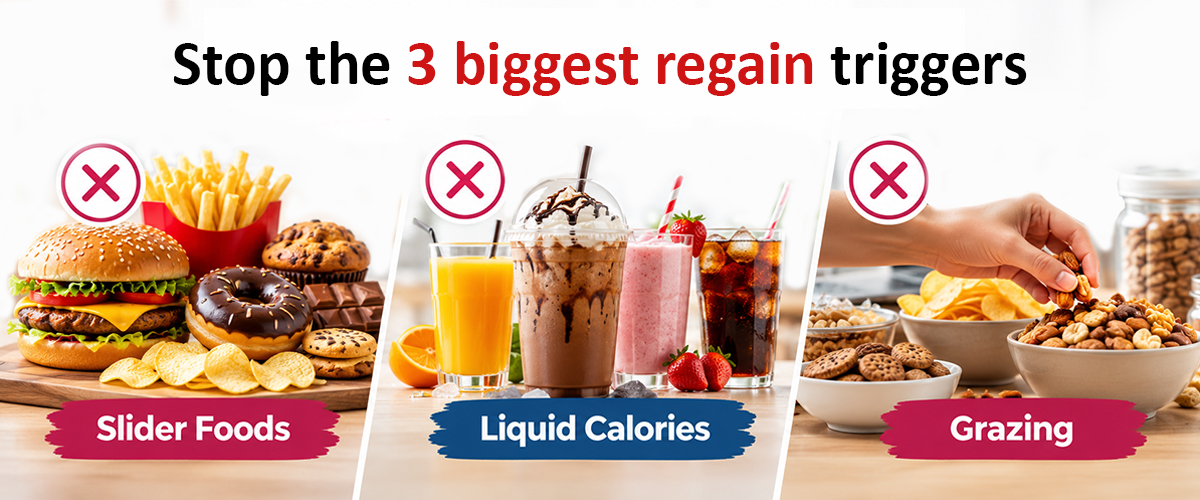
Fix 3: Stop the 3 biggest regain triggers (slider foods, liquid calories, and grazing)
These are the classic sleeve regain trio.
1) Slider foods
These are foods that slide through the sleeve easily, don’t create much fullness, and are usually calorie dense.
Examples:
- Chips, biscuits, crackers
- Ice cream
- Chocolate
- Cake
- Soft breads
- Noodles, pasta
- Fried snacks
- “Healthy” granola and trail mix (still dense)
- Peanut butter by the spoon
If you eat slider foods, you can out eat the sleeve. Easily.
2) Liquid calories
This includes:
- Sugary tea/coffee
- Fancy coffees
- Juices
- Smoothies (even “healthy” ones)
- Soft drinks
- Alcohol
Liquids don’t trigger fullness the same way. And alcohol, especially, can quietly destroy progress while also lowering inhibition. You snack more when you drink. That’s just real.
3) Grazing
Grazing is constant small eating with no real meal structure. It’s often tied to stress, boredom, working at a desk, or being around snack foods all day.
Fix: put food on a plate, eat, finish, then stop. If you need a snack, plan it, plate it, eat it. No “hand to mouth” roaming.
Fix 4: Bring back fullness with “volume eating” that still respects the sleeve
A sleeve patient can’t volume eat like someone without surgery. True. But you can choose foods that give more satiety per calorie.
Focus on
- Lean protein
- High fiber vegetables
- Soups that are protein based (not creamy and not mostly potatoes)
- Thick Greek yogurt, curd bowls with seeds (measured), berries
- Dal, chana, rajma in appropriate portions (watch the carbs, but fiber helps)
What to limit (for now)
- Dry snacks
- Ultra processed foods
- Anything you can eat quickly without chewing much
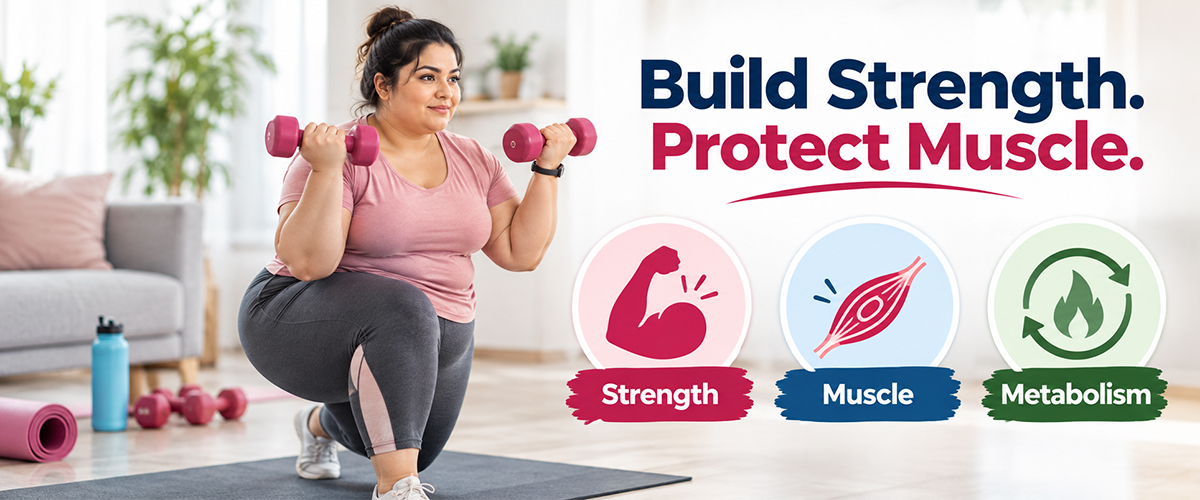
Fix 5: Strength training 2 to 4 times a week (this is the metabolism lever)
If you lost a lot of weight, you likely lost muscle too. That’s normal. But less muscle means a lower resting burn. And then regain gets easier.
You don’t need hardcore gym life. But you do need resistance.
A simple plan
- 2 to 4 days per week
- 30 to 45 minutes
- Focus on: squats or sit to stands, rows, presses, hip hinges, step ups
- Progress slowly. Add reps, then weight.
If you hate gyms, do home workouts with dumbbells or resistance bands. Consistency matters more than fancy.
Also, walking still matters. But walking alone often doesn’t stop regain after bariatric surgery. Strength training is the missing piece for a lot of people.
Fix 6: Check the medical stuff people ignore (labs, meds, sleep, hormones)
Sometimes you can do “everything right” and still struggle. Or it feels like your hunger is turned up to 11.
This is where a proper bariatric follow up helps.
Labs to review (commonly)
- Thyroid (TSH, free T4)
- HbA1c, fasting insulin/glucose (if relevant)
- Vitamin D
- B12, folate
- Iron studies (ferritin, iron, TIBC)
- Protein status if intake has been low
Deficiencies can drive fatigue, cravings, low mood, and low activity. It’s not magic, it’s biology.
Medications that can cause weight gain
Some antidepressants, antipsychotics, steroids, insulin/sulfonylureas, and some beta blockers can contribute. Do not stop anything on your own. But ask your doctor if alternatives exist.
Sleep
Bad sleep increases hunger hormones and cravings. If snoring returned or daytime sleepiness is back, consider screening for sleep apnea again. Weight loss can improve it, regain can bring it back.
Fix 7: Consider anti obesity medication or revision options (when basics aren’t enough)
This is the part people whisper about. But it shouldn’t be shameful.
Sometimes the right fix is medical. Sometimes it’s anatomical. Sometimes it’s both.
When medication can help
If you’re dealing with:
- Strong hunger and cravings
- Significant regain despite structured eating
- Return of diabetes or prediabetes
- Emotional eating that spirals fast
Newer medications (like GLP 1 based options) can be very effective for post bariatric regain when supervised properly. They’re not a replacement for nutrition, but they can make the plan doable again. Like turning the volume down on hunger.
When to evaluate anatomy
If you notice:
- Portions are much larger than before
- You feel little restriction
- Reflux has worsened
- Constant ability to eat soft, high calorie foods
- Regain is rapid and persistent
A bariatric surgeon may recommend imaging or endoscopy to look at sleeve size, shape, hiatal hernia, reflux related issues, or other structural factors.
Revisional bariatric surgery
Some patients may benefit from conversion to another procedure depending on their case, reflux severity, weight regain, and metabolic conditions.
If you want a structured clinical assessment, CODSILS (www.codsils.com) offers bariatric and metabolic follow up care and consultations, so you’re not guessing. Sometimes you need a team to look at the full picture.
A simple 14 day reset plan
If you’re reading all this and thinking, ok but where do I start… start here.
For the next 14 days:
- 3 meals per day, no grazing
- Protein first at every meal
- No liquid calories
- One planned snack only if needed
- Walk 20 to 30 minutes daily
- Strength train 2 times per week (even short sessions)
- Track food for just these 14 days
That’s it. Not perfect. Just consistent.
Most people see the scale stabilize quickly. Often it starts moving down again. Even more important, they feel back in control. That matters a lot.
When to get help (and not wait)
Get professional help if:
- You regained more than 10 percent of lost weight and it’s continuing
- Diabetes, BP, or cholesterol are worsening again
- Reflux is significant
- You feel constant hunger or binge episodes
- You suspect depression or anxiety is driving eating
- You’ve been “restarting Monday” for months
If you’re looking for that kind of support, you can explore consultations through CODSILS at www.codsils.com. A proper plan usually includes nutrition, behavior, activity, labs, and if needed, surgical evaluation. All in one place.
FAQs (Frequently Asked Questions)
01 – What is considered weight regain after sleeve gastrectomy?
Weight regain after sleeve gastrectomy usually means regaining around 10 to 15 percent of the weight you lost from your lowest weight (nadir), or when old health problems like increased hunger, reflux, sugar cravings, or diabetes symptoms start coming back. Small fluctuations like a 2 kg increase from last month are normal, but a consistent gain of 10 to 20 kg or more signals the need to take action early.
02 – Why does weight regain happen after sleeve gastrectomy?
Weight regain happens because over time the body adapts: metabolism can slow, hunger hormones may increase, and tolerance for larger portions grows. Old habits like snacking on sweets or alcohol can return under stress. Life factors such as travel, injury, menopause, or medications also play a role. Additionally, anatomical issues like sleeve dilation or a widened antrum can contribute but are less common.
03 – What practical steps can help prevent or reverse weight regain after sleeve gastrectomy?
Effective steps include doing a 7-day reality check food audit to track meals, snacks, protein intake, and liquid calories; rebuilding sleeve basics by prioritizing protein first at every meal aiming for 80-100 grams per day; and stopping major regain triggers like slider foods (easy-to-overeat snacks), liquid calories, and grazing. These strategies focus on real-world fixes rather than just eating less or feeling shame.
04 – How do I perform a 7-day reality check food audit?
For seven days, track your meal times, approximate protein grams, snacks and bites between meals, drinks with calories including alcohol, late-night eating habits, and hunger levels before eating (scale of 0 to 10). Use any method you prefer—apps, notes app, or paper. This helps identify patterns such as low protein intake, excessive liquid calories, grazing behaviors, late eating hours, or dominance of high-fat snacks that contribute to weight regain.
05 – What does ‘protein first’ mean in rebuilding my diet after sleeve gastrectomy?
‘Protein first’ means structuring your meals so you eat protein sources like eggs, chicken, fish, paneer/tofu, dals with curd or Greek yogurt before vegetables and carbs. Aim for three structured meals with protein at each plus one planned protein snack if needed. Also separate fluids from meals by at least 30 minutes. This approach helps reduce calorie intake naturally because protein is satiating and supports maintaining weight loss.
06 – When should I seek professional evaluation for weight regain after sleeve gastrectomy?
If you notice meaningful weight regain—typically more than 10-15% of the weight lost—or if old health issues such as increased hunger or worsening reflux return despite lifestyle efforts, it’s important to get a proper post-sleeve evaluation. Specialized clinics like CODSILS provide long-term support to assess whether nutrition habits, behavior changes, metabolic shifts, or anatomical factors are contributing so you can get targeted help.
