



16 Sep Bariatric Surgery Recovery in Punjab – Dr Amit Garg
Recovery after bariatric surgery in Punjab is one of those things people think they understand until they’re actually living it. The real recovery is a mix of
physical healing, learning brand new eating rules, and your brain slowly catching up to what your stomach can and cannot do now.
Recovery is not identical for everyone. The type of procedure matters (sleeve gastrectomy, gastric bypass, mini gastric bypass, etc.), your starting health matters (diabetes, sleep apnea, fatty liver), and even stuff like how well you hydrate or walk in the first few days matters more than you’d think.
If you’re getting surgery through a specialized clinic , CODSILS (www.codsils.com) has patient guidance and consultation pathways that make this whole process feel less confusing and more… structured. Which is what you want when you’re about to change your life.
The first 24 hours (Surgery Day and the day after)
This is the “hospital mode” phase. Your job is mostly to exist, breathe, and follow simple instructions.
What you’ll likely feel
- Sleepy, groggy, a little out of it
- Incision soreness, especially when moving
- Shoulder or upper chest discomfort (often from gas used during laparoscopy))
- Nausea off and on
- A weird mix of thirst and “I can’t drink much”
What actually matters in these first hours
- Walking: yes, already. Even short walks. It lowers the risk of clots and helps wake your gut up.
- Breathing exercises: the nurse may push spirometry breathing. It’s annoying. Do it anyway.
- Tiny sips: not gulps. Not “just one good drink.” Tiny sips.
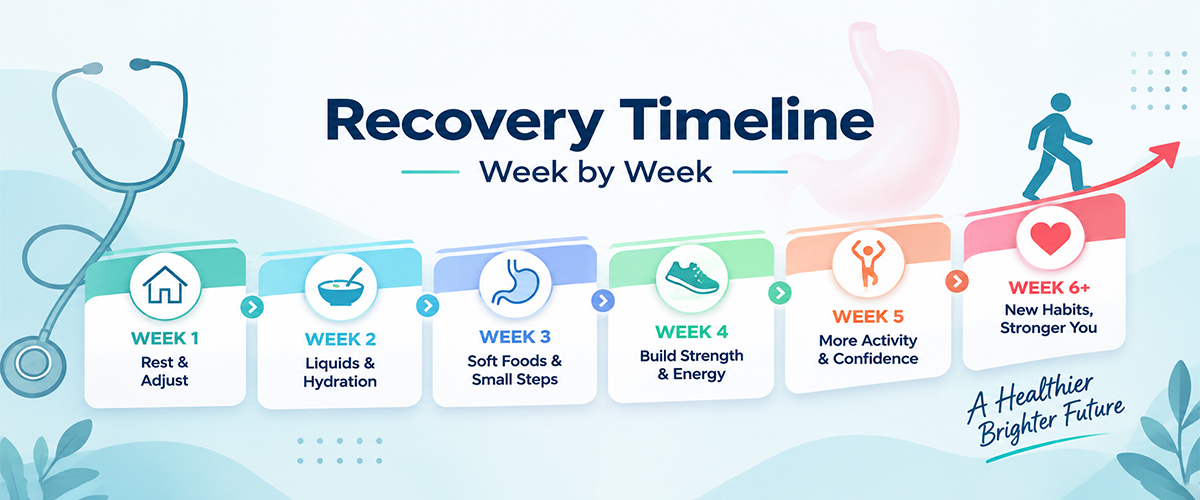
Week 1: The “liquid life” week
Week 1 is when you realize the surgery is real. You’re home (usually), you’re tired, and everything is slow. Even standing up can feel like a small project.
Your body’s main goals this week
- Protect healing tissues
- Avoid dehydration
- Prevent constipation
- Keep moving gently
What you’ll be eating
Typically, a clear liquid phase moving into full liquids, depending on your surgeon’s plan. The clinic will give exact instructions, but most plans revolve around:
- Water, clear broths
- Sugar free electrolyte drinks
- Protein shakes
- Thin soups
- Sometimes diluted low fat milk or lactose free options
Hydration is a bigger deal than food right now. Dehydration can sneak up fast because your stomach volume is tiny and you may not feel normal thirst.
How you might feel (normal stuff)
- Very low energy
- Mood swings, irritability, regret thoughts at 2 am (common)
- Incision tenderness, pulling feeling
- Gas pain and bloating
- Taste changes
Typical activity level
- Walk around the house several times a day
- No heavy lifting
- No intense workouts

Week 2: Still healing, but you’re more “awake”
Week 2 often feels like you’re turning a corner. Not dramatically. Just… you can do basic things without feeling like you ran a marathon.
Diet changes
Many patients move into pureed or blended foods around this time. Foods are soft, smooth, and portioned like baby meals. Examples that are commonly used:
- Pureed lentils or soft dals (strained if needed)
- Blended soups with added protein
- Smooth yogurt or curd (if tolerated)
- Scrambled eggs blended very soft (some tolerate, some don’t yet)
- Pureed cottage cheese or paneer style soft protein (only if allowed and tolerated)
The big rule is still: protein first, and go slow.
What eating feels like now
- Fullness comes suddenly
- One extra bite can cause discomfort
- You may burp more
- You might notice “food sits heavy” if it’s too thick or too fast
Activity
- More walking, short outdoor walks if you’re steady
- You can usually do light household tasks
- Many people can return to desk work around 2 weeks, but fatigue is real
Common issues this week
- Constipation (super common)
- Dry mouth, bad taste
- Headaches (often hydration related)
- Low mood because food is boring and social life feels weird
If you’re working with a clinic like CODSILS, this is where follow ups and nutrition guidance matter a lot. Because small mistakes now can turn into repeated vomiting or dehydration. And nobody wants that cycle.
Week 3: Soft foods, routine building, cravings show up
Week 3 is interesting because physically you may feel better, but mentally your brain starts testing boundaries.
You start thinking, “I feel okay. Maybe I can eat normally?” Not yet. This is where you build habits you’ll keep for years.
Diet stage
Many plans transition to soft foods in week 3 or 4:
- Soft cooked eggs
- Soft fish or shredded chicken (very small amounts)
- Well cooked vegetables mashed
- Soft fruit without skin (if allowed)
- Soft dals, khichdi style textures (depending on plan)
What you’re learning now
- Chewing is non negotiable.
- Eating while distracted is risky
- Eating too fast will punish you immediately
- Protein goals are harder than they sound
A lot of patients also start noticing certain foods don’t “sit” well. Some tolerate dairy beautifully, others don’t. Some do fine with eggs, others feel nauseated. This is normal, and it’s why structured follow up matters.
Activity
- Longer walks
- Gentle stretching
- Light stationary cycling (if surgeon approves)
- Still no heavy lifting or core workouts yet
Weight loss changes
You might see rapid loss early, then a pause. People panic about the “stall.” It’s common. Your body is recalibrating fluids, inflammation, hormones. Keep following the plan.
Week 4: More stamina, but still fragile on the inside
Around week 4, many patients feel “normal” in daily life. You can go out, work, do errands, talk without feeling wiped out.
But internally, you’re still healing. The stomach and connections need time. So the recovery is not over, even if you feel fine.
Diet
Still soft, sometimes transitioning toward more solid textures as tolerated. Portions are tiny. You may be at something like:
- 2 to 4 tablespoons per meal early
- gradually increasing based on tolerance and surgeon advice
What usually improves
- Energy is better
- Sleep improves (especially if weight is dropping)
- Incision discomfort decreases
- Walking feels easier
What still trips people up
- Not meeting protein targets
- Not drinking enough because meals and water can’t overlap much
- Emotional eating urges (even though you physically can’t binge)
This is a good time to check your supplement routine too. Bariatric surgery is not just smaller meals. You’re also managing micronutrients for life.
Week 5: The “I want real food” phase
Week 5 is when you start craving texture. Crunch. Spice. Street food smells like a personal attack. This is also where some patients test carbonated drinks or sugary bites too early and regret it.
Diet progression (typical)
- Gradual introduction of more solid proteins
- More variety in vegetables
- Still avoiding tough meats, fried foods, high sugar items
Many surgeons advise avoiding:
- Carbonated beverages
- Alcohol (for several months, sometimes longer)
- Sugary desserts
- Deep fried foods
- Bread, pasta, rice heavy meals early on (tolerance varies)
What you should focus on
- Protein at each meal
- Slow eating and small portions
- Hydration spaced through the day
- Supplements consistently
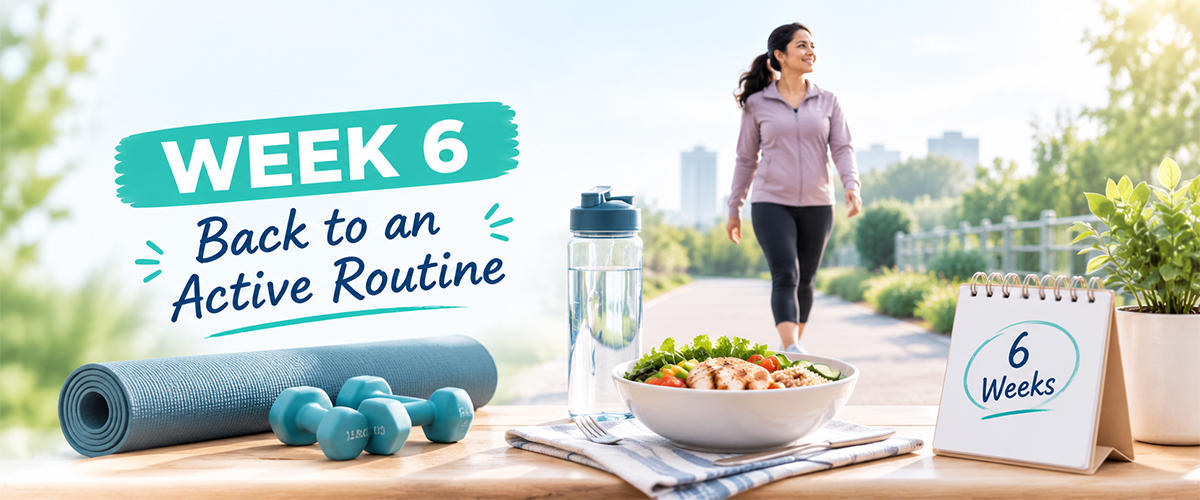
Week 6: Most people feel “back” but the new lifestyle starts now
Week 6 is a common milestone. Many patients are cleared for more activity, and food feels less scary. But this is also the time when follow through decides your long term success.
Physical recovery at week 6
- Many return to most daily activities comfortably
- Light strength training may be allowed (surgeon dependent)
- Incisions are mostly healed externally
- Energy is often much better than week 2 or 3
Eating at week 6
Some patients begin a more regular bariatric diet, meaning:
- Lean proteins
- Cooked vegetables
- Limited fruit (based on plan)
- Minimal processed carbs
- Still small meals, usually 3 to 6 eating events per day depending on protocol
Common issue: “slider foods”
Slider foods are things that go down easily but don’t keep you full and can sabotage weight loss. Examples:
- Chips that melt down
- Ice cream
- Sweet drinks
- Creamy desserts
- Crackers
Your stomach is smaller, yes. But liquid calories and soft high calorie foods can slip right through.
Week 7 to 8: Energy returns, weight loss continues, habits get tested
At 2 months, you might feel like you have a new body. Sometimes literally. Clothes fit differently. Face changes. People comment. It’s exciting, but it can also feel strange.
What often happens now
- You can walk longer and faster
- Some start structured workouts
- Hunger cues may change
- Taste preferences shift (some lose interest in sweets, some crave them more)
Nutrition focus now
- Hit protein targets (often 60 to 80g or more depending on your plan)
- Keep hydration steady
- Keep meals simple and repeatable
- Continue supplements without skipping
This is also where follow up blood work planning starts to matter. Nutrient deficiencies can take time to show up, but prevention is easier than treatment.
Weeks 9 to 12: The “real life” phase
By 3 months, bariatric surgery stops being the main event and becomes part of your routine. That sounds good. It is good. But routine is where people either stay consistent or start drifting.
What you may notice by 3 months
- Significant weight loss (varies widely)
- Better blood sugar control for many patients with diabetes
- Less reflux for some procedures, but it depends
- Improved mobility
- Lower blood pressure in many cases
Eating is more flexible but still structured
You can often tolerate more foods, but the rules still matter:
- Protein first, always
- Small portions, stop at first fullness
- Avoid drinking with meals (usually)
- Limit sugar and ultra processed foods
- Prioritize whole foods
Emotional changes
This part is not talked about enough.
Some people feel amazing. Some feel anxious. Some grieve food. Some struggle with body image because they change quickly and the brain lags behind. If you feel weird emotionally, that does not mean surgery was a mistake. It means you’re adapting.
Month 4 to 6: Building the long term system
Not everyone asks for a week by week timeline beyond 12 weeks, but
recovery in the bigger sense continues.
At 4 to 6 months:
- Weight loss may slow compared to the first 2 months
- Plateaus are common
- Exercise becomes more important
- Protein and supplements remain non negotiable
- Skin changes may become noticeable (loose skin varies)
If you’re aiming not just for weight loss but also better metabolic health, this is where you want medical guidance, not random internet advice. CODSILS focuses on obesity and diabetes metabolic care, so it’s worth using a clinic that understands both sides, surgical and metabolic.
A few “what’s normal?” questions people have
Is it normal to feel tired for weeks?
Yes. Anesthesia, low calories, healing, hormonal shifts. It adds up. Fatigue usually improves gradually.
Is it normal to have stalls?
Yes. Especially around weeks 3 to 6. Keep following the plan.
Is vomiting normal?
Occasional nausea can happen, but repeated vomiting is not something to ignore. It can cause dehydration and can signal intolerance or a complication. Call your surgical team.
When can I drive?
Often after 1 to 2 weeks, once you’re off pain meds and can move comfortably. Your surgeon will confirm.
When can I exercise properly?
Walking is early. More intense workouts usually come after surgeon clearance, often around 4 to 6 weeks, but it varies.
If you want a clinic that lays out the stages clearly and supports both weight loss and metabolic improvements, you can explore the bariatric and obesity care resources at CODSILS (www.codsils.com) and consider booking a consultation. Sometimes just having a plan in writing, with real medical guidance, takes away half the stress.
FAQs (Frequently Asked Questions)
01 – What can I expect during the first 24 hours after bariatric surgery?
In the first 24 hours post-surgery, you’ll likely feel sleepy, groggy, and experience incision soreness along with possible shoulder or upper chest discomfort due to gas used during laparoscopy. Nausea and a strange mix of thirst with difficulty drinking are common.
02 – How should I manage my diet during the first week after bariatric surgery?
During week one, your diet will mostly consist of clear liquids progressing to full liquids based on your surgeon’s guidance. This includes water, clear broths, sugar-free electrolyte drinks (if allowed), protein shakes in small amounts, thin strained soups, and sometimes diluted low-fat or lactose-free milk. Hydration is critical since your stomach capacity is small and thirst cues may be altered.
03 – What physical activity is recommended in the first week following bariatric surgery?
In the first week post-surgery, gentle walking around the house several times daily is encouraged to promote circulation and gut motility. Avoid heavy lifting and intense workouts but balance rest with light activity; lying down all day is discouraged. Moving helps prevent complications like blood clots and supports overall recovery.
04 – When can I start eating pureed or soft foods after bariatric surgery?
Most patients transition to pureed or blended soft foods around week two after bariatric surgery, following their surgeon’s protocol. Typical options include pureed lentils or dals (strained if needed), blended protein-rich soups, smooth yogurt or curd (if tolerated), very soft scrambled eggs, and pureed cottage cheese or paneer if allowed. Prioritize protein intake and advance slowly to avoid discomfort since fullness occurs quickly.
05 – What common symptoms might I experience during the second week of recovery?
During week two, you may notice improved energy yet still experience fatigue with basic tasks. Common issues include constipation due to reduced intake and mobility, dry mouth or unpleasant taste sensations, headaches often related to hydration status, mood swings due to dietary restrictions and social changes, sudden fullness during meals causing discomfort if eating too fast or thick foods, increased burping, and food feeling heavy if not properly prepared.
06 – How important is hydration in the recovery process after bariatric surgery?
Hydration is crucial throughout recovery from bariatric surgery because your stomach’s reduced size limits fluid intake at once and normal thirst signals may be altered. Dehydration risks increase especially in the first week when diet mainly consists of liquids. Signs like dark urine, low urine output, dizziness upon standing, rapid heartbeat, or leg swelling should prompt immediate contact with your clinic as these can indicate serious complications requiring attention.
