



Benefits of sleeve loop bi-partitioin over Mini gastric bypass in Punjab – Dr Amit Garg - Dr.Amit Garg
CALCULATE BMI

Benefits of sleeve loop bi-partitioin over Mini gastric bypass in Punjab – Dr Amit Garg

If you have been researching weight loss surgery for more than like… a weekend, you have probably noticed how confusing it gets.

People throw around terms like mini gastric bypass, one anastomosis gastric bypass, loop bypass,

Keep Reading

sleeve plus this, bipartition that. Some surgeons swear by one approach, some by another. Patients in Facebook groups have totally different experiences. And you are left trying to figure out what is actually different, and what those differences mean for real life. Eating. Reflux. Vitamins. Long term safety. The boring stuff that becomes your whole life after surgery.

So this article is about that exact comparison.
Specifically, the benefits of sleeve loop bipartition compared to mini gastric
bypass (MGB).

First, what are we comparing exactly?

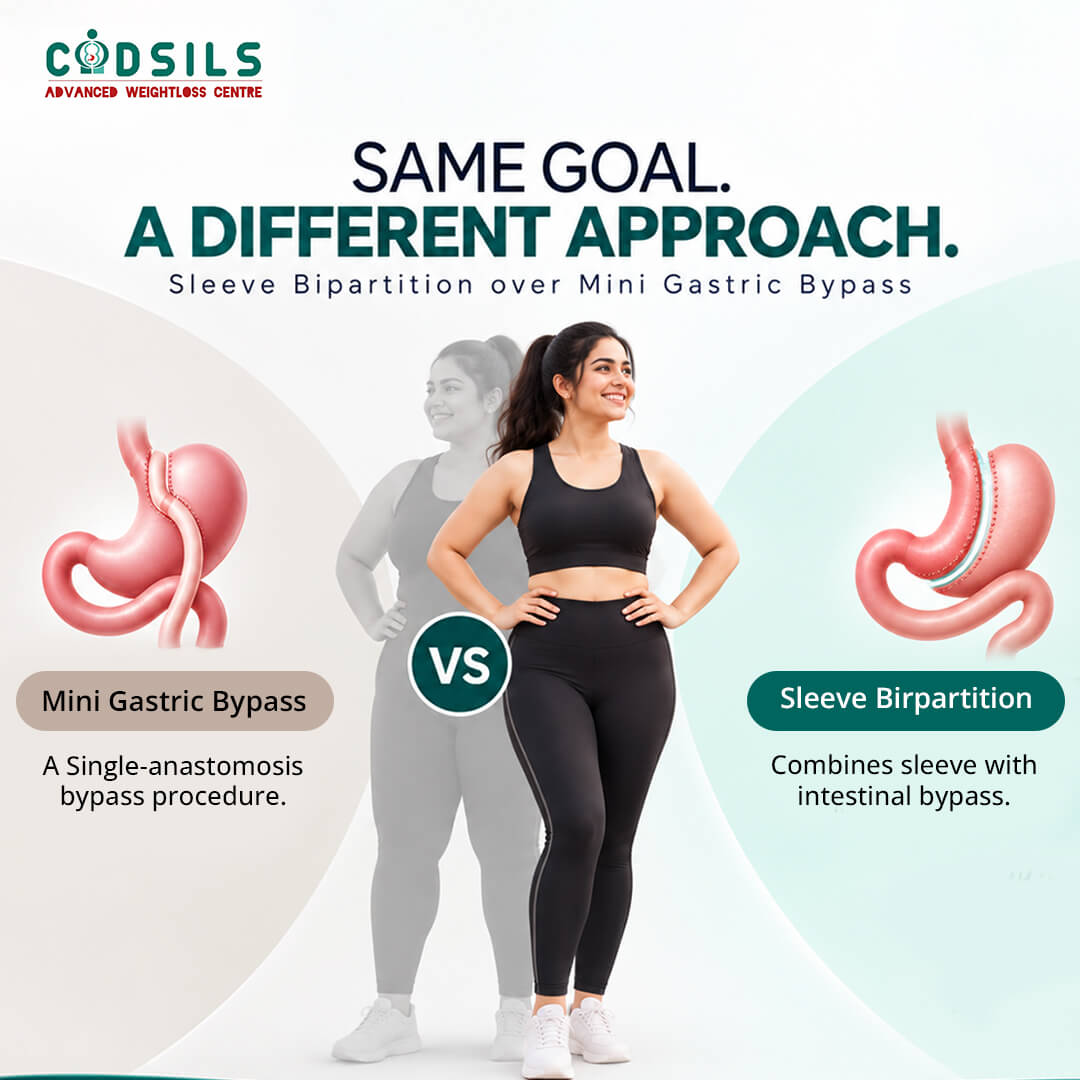
Mini gastric bypass (MGB), also called OAGB

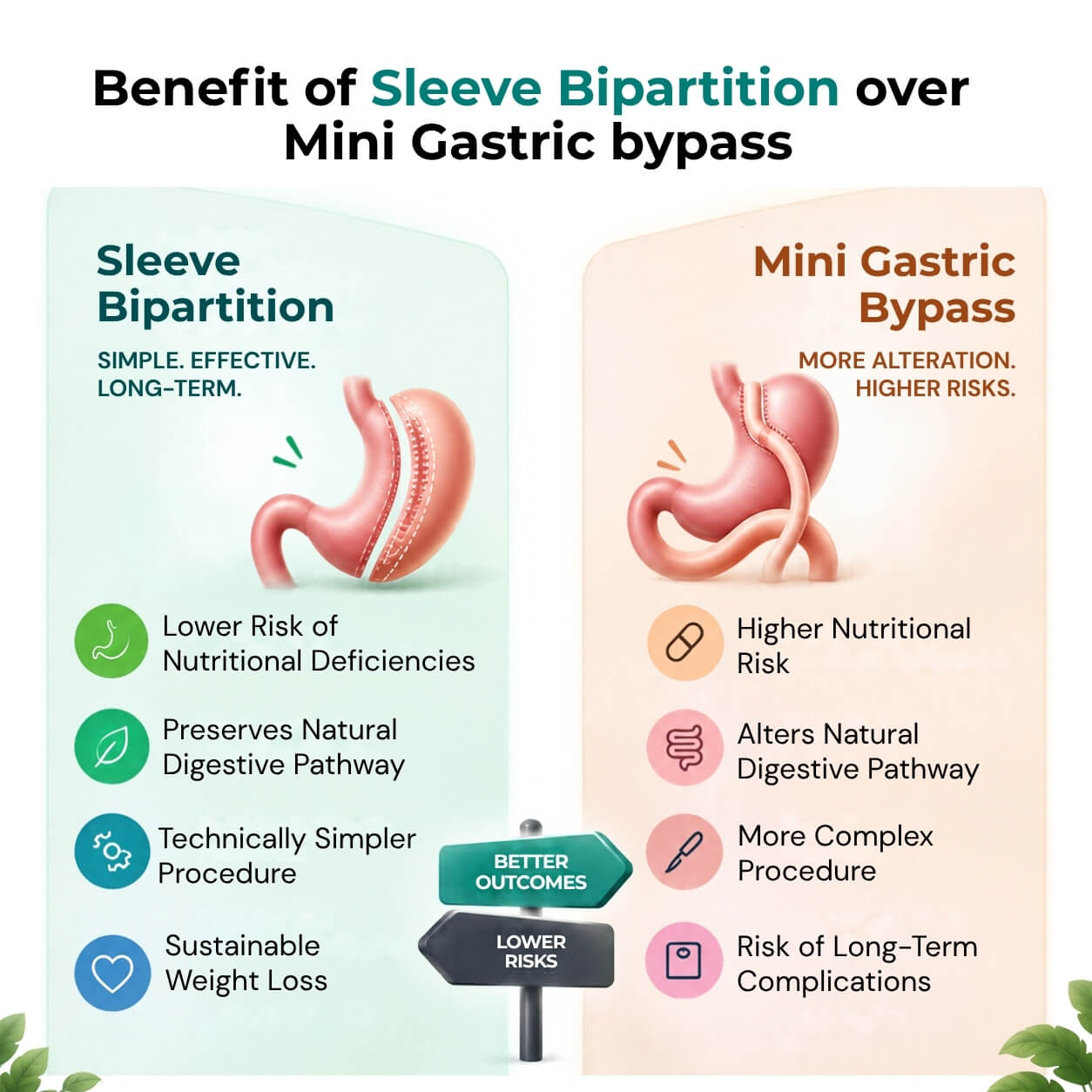
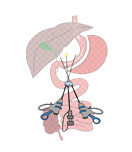
Mini gastric bypass is a loop bypass. In simple terms, the surgeon creates a long narrow gastric pouch and connects it to a loop of small intestine. Food bypasses a portion of the stomach and the first part of the intestine, so you get:

  • Restriction (smaller stomach pouch)
  • Hormonal effects
  • Some malabsorption depending on bypass length

It is called “mini” because it typically involves one connection (one anastomosis), compared to classic Roux en Y which has two.

Sleeve loop bipartition (SLB) in Punjab

Sleeve loop bipartition is like a hybrid idea.

It starts with a sleeve gastrectomy (the stomach is made into a sleeve). Then instead of fully bypassing the duodenum with a separated Roux limb, the surgeon creates a loop connection from the stomach to a more distal part of the small intestine, while still keeping the normal pathway open.

So food can travel through:

  1. The normal route: sleeve stomach -> duodenum -> jejunum
  2. The shortcut route: sleeve stomach -> loop connection -> distal small bowel

That “two pathway” idea is the heart of bipartition. You are not fully abandoning the original route. You are sharing flow.

And that difference shows up in the benefits.
You keep the duodenum in play (and that matters for nutrition)

This is one of the biggest practical advantages of sleeve loop bipartition.

In many bypass style operations, including MGB, the food stream does not pass through the duodenum and proximal jejunum the same way it used to.

Keep Reading

But those segments are where a lot of important absorption is designed to happen.
Especially:

  • Iron
  • Calcium
  • Some fat soluble vitamin handling
  • A bunch of micronutrient interactions we do not fully respect until someone is suddenly low in ferritin for two years

With SLB, because the normal pathway remains open, some portion of food still passes through the duodenum. Not all of it, and not always evenly, but enough that in many patients the nutritional hit can be less harsh.

In real life this can translate into:

  • Lower risk of severe iron deficiency
  • Potentially fewer extreme deficiencies when compared with a more malabsorptive bypass
  • A bit more nutritional “forgiveness” if someone is not perfect with supplements (still… you should be perfect, but life happens)

And yes, you still need lifelong follow up and supplements with SLB. But keeping the natural route functioning can be a meaningful advantage.

Less malabsorption driven risk compared to MGB

Mini gastric bypass can be very effective. But part of that effectiveness, depending on technique and limb length, can come from a stronger malabsorptive component.

That is a double edged sword.

Because malabsorption is not only “less calories.” It is also:

  • More chance of vitamin deficiency
  • More risk of protein malnutrition in some cases
  • More unpredictable bowel changes for some people

Sleeve loop bipartition tends to be designed to create metabolic and hormonal benefit while not relying as heavily on malabsorption. You are redirecting flow, not eliminating absorption surface as aggressively.

For a lot of patients, especially those who want strong weight loss but are worried about long term deficiency risk, SLB can feel like a middle path. Not a soft option, just a different balance.

Bile reflux concerns: SLB may avoid one specific MGB issue

Bile reflux is one of the most discussed controversies around mini gastric bypass.

Because MGB is a loop connection, bile can theoretically flow back toward the stomach pouch and even the esophagus in some patients. Not everyone gets it. Some do fine. Some get miserable symptoms that are hard to treat.
And the tricky thing is, bile reflux is not always the same as acid reflux. Standard acid suppression meds may not fully solve it.

In sleeve loop bipartition, the anatomy is different. You still have a loop connection, yes. But you also have the sleeve anatomy and a different dynamic of flow distribution. Some surgeons argue that the risk of bile reflux into the esophagus is lower, or at least different, compared to MGB.

Now, I have to be fair here:

  • SLB can still have reflux issues, especially if the sleeve component is tight, twisted, or if there is a hiatal hernia not addressed.
  • Some patients are reflux prone no matter what.

But if bile reflux risk is a major concern in your decision, SLB is often discussed as an alternative that may reduce that specific loop bypass drawback.

Preservation of more “normal” anatomy can make revisions and endoscopy easier

People do not love thinking about revision surgery when they are just trying to pick their first operation. Totally understandable. But long term planning matters.

Sleeve loop bipartition preserves access through the normal route, which can make:

  • Endoscopic evaluation of the duodenum more feasible
  • Certain future surgical options simpler
  • Troubleshooting abdominal symptoms less of a maze

With mini gastric bypass, the excluded segments are still there, but they are not part of the food stream and access can be more complex.

This is not to say MGB is unrevisable. It can be revised, converted, adjusted. But SLB’s partial preservation can sometimes mean fewer “closed doors” later.

You hope you never need that advantage. But it is an advantage.

Potentially lower risk of severe dumping compared to bypass heavy procedures

Dumping syndrome is not always a disaster, some patients even see it as a built in boundary system. Eat sugar, feel awful, learn fast.

But for others, dumping is exhausting. Sweating, racing heart, weakness, diarrhea, the whole thing. And it can show up unexpectedly.

Because MGB is a bypass with rapid delivery of food into the small intestine, dumping can be more prominent in some patients. Sleeve loop bipartition, depending on how flow splits between the two pathways, may reduce the intensity or frequency of dumping for certain people.

Not a guarantee. You can still dump after SLB. But the physiology may be a bit more moderated.

And moderation is sometimes what people want. Not punishment. Just control.

Weight loss and diabetes benefit, without going “full bypass”

A big reason people choose MGB is that it often produces strong results for:

  • Weight loss
  • Type 2 diabetes improvement
  • Metabolic syndrome

Sleeve loop bipartition was developed in part to chase similar metabolic power while preserving the duodenal pathway. It increases exposure of undigested nutrients to distal intestine, which can amplify gut hormone responses (the whole GLP 1, PYY conversation).

So you can get a strong metabolic effect, especially for diabetes, without necessarily making malabsorption the main driver.

If your goal is something like: “I want excellent metabolic improvement but I am nervous about long term deficiencies,” SLB becomes a very reasonable thing to discuss.

Fewer issues related to a tiny gastric pouch (for some patients)

Mini gastric bypass creates a gastric pouch. Some patients feel great with it. Some struggle with pouch related symptoms.

Things like:

  • Frequent discomfort after meals
  • Sensitivity to textures
  • More nausea if eating too fast
  • Harder time with hydration early on

Sleeve loop bipartition is built on a sleeve stomach, which is still restrictive but is not the same as a long narrow pouch with a gastrojejunostomy as the only exit.

Again, not magic. Sleeve patients can have food intolerance too. But some people simply do better with sleeve based mechanics.

And honestly this comes up a lot in patient stories. Some people do not want a pouch. They want sleeve style eating but with better metabolic effect than sleeve alone. SLB is basically that concept taken seriously.

Potentially lower risk of marginal ulcer compared to MGB

Marginal ulcers can happen at the gastrojejunal connection in bypass type surgeries. Risk is influenced by:

  • Smoking
  • NSAID use
  • H pylori
  • Surgical technique
  • Acid exposure

MGB has a gastrojejunal connection that is central to the operation. SLB also involves a connection. So both can have ulcer risk. But because SLB keeps the pylorus and duodenal path functioning, and because the sleeve still has more “normal” gastric continuity, some surgeons feel the ulcer profile can be more favorable in selected patients.

This is not a slam dunk benefit. It is more like: SLB may reduce ulcer risk in some contexts, and may be easier to manage if it occurs, depending on anatomy and patient behavior.

If you are a chronic NSAID user or you have a history of ulcers, this is a non negotiable topic with your bariatric team.

More flexible balance between restriction and malabsorption

This one is subtle but important.

In MGB, the balance is largely determined by pouch creation and the length of bypassed intestine. Change those and you change outcomes, but the structure is fundamentally a bypass.

In SLB, you have two routes. Surgeons can influence:

  • Sleeve size (restriction)
  • Location of the loop connection (metabolic intensity)
  • Expected flow distribution between routes

So SLB can be tuned, in a way, to give a strong result without pushing malabsorption too hard.

That flexibility can be a benefit, especially across different BMI ranges. Some patients need a more aggressive metabolic push. Some need a safer long term nutritional profile. SLB gives surgeons another dial to turn.

If problems happen, there is still a normal pathway for food

This is basically the “bipartition safety net” argument.

Because food can still pass through the original route, if you run into issues like:

  • Chronic diarrhea from too much rapid distal flow
  • Unpleasant intolerance patterns
  • Nutritional trouble that is not responding well to supplements

Your surgeon may have more options to adjust things without completely rebuilding your anatomy. In some cases, revisions may be simpler or can focus on the shortcut route.

Whereas in MGB, the bypass route is the route. There is not a shared traffic system.

Not saying revisions are easy. But the design philosophy of SLB has more built in redundancy.

Ok but is SLB always better than mini gastric bypass?

No. And if someone tells you it is always better, they are selling something. Or they have not seen enough patients long term.

MGB has strengths. It is widely performed in many centers, it has a substantial body of outcomes data, it can be technically simpler than Roux en Y, and for many patients it produces excellent weight loss and diabetes remission.

SLB, depending on where you live, may be:

  • Less common
  • More surgeon dependent in technique
  • Harder to find long term data in your local population
  • Less standardized in how it is performed

So the “benefits” of SLB over MGB are real in concept, but they only become real for you if you have a surgeon who does it well, follows you long term, and chooses it for the right reasons.

Who might prefer sleeve loop bipartition over mini gastric bypass?

Not definitive, but SLB is often considered when someone:

  • Wants strong metabolic impact but is worried about nutrient deficiencies
  • Has concerns about bile reflux risk with loop bypass anatomy
  • Wants to preserve duodenal passage for absorption and future access
  • Has a profile where sleeve based eating mechanics are appealing
  • Needs something more powerful than sleeve alone but not as malabsorptive as certain bypass configurations

And on the flip side, MGB might be preferred when:

  • A surgeon has deep experience with it and strong follow up protocols
  • A patient needs a very effective operation with established outcomes in that center
  • The patient understands and accepts the supplement and follow up requirements, and reflux risk is not high or is addressed carefully

The part people skip: your follow up is the real surgery

No matter which one you choose, the actual long term success comes down to things like:

  • Lab checks at regular intervals, not just when you feel tired
  • Protein intake being a daily habit, not an occasional goal
  • Iron and B12 not being optional
  • Reflux symptoms being taken seriously early
  • Honest tracking of grazing, liquid calories, and alcohol

SLB may reduce certain risks compared to MGB, especially around malabsorption severity and keeping the duodenal pathway active. But it does not remove the need for discipline and follow up.

Let’s wrap it up (without pretending this is simple)

Mini gastric bypass can be a very effective operation. Sleeve loop bipartition can also be very effective. The reason people compare them is because they both aim for strong weight loss and metabolic improvement, but they get there differently.

The main benefits of sleeve loop bipartition over mini gastric bypass, in practical terms, often come down to:

  • Preserving some normal nutrient absorption through the duodenum
  • Potentially fewer severe deficiency risks compared to more malabsorptive bypass setups
  • A different reflux and bile reflux risk profile that may be favorable for some patients
  • More preserved anatomy, which can help with future access and revision flexibility
  • A balance between sleeve style restriction and bypass style metabolic effects

If you are choosing between these two, the smartest next step is boring but effective. Bring your labs history, reflux history, medication list, and priorities to a bariatric surgeon who performs both or who can speak neutrally about both. Ask them what they would choose if you were their sibling. Then ask them why.

And if the answer is basically “because this is what I do,” that is not an answer. That is a warning sign.

Dr Amit Garg

Minimal Access Bariatric
Metabolic & GI Surgeon

Why India is “affordable” for bariatric surgery (and not necessarily cheap)

First, let’s separate two words people mix up.

Affordable does not have to mean low quality. It often means the overall healthcare economics are different.

India is cheaper for bariatric surgery mainly because:

  • Hospital operating costs are lower.
  • Surgeon and staff costs are lower compared to Western countries
  • Medical tourism is competitive, so hospitals bundle packages
  • High procedure volume in metro hospitals can improve efficiency
What counts as weight loss surgery, exactly

Most people mean bariatric surgery. The big, common ones are:

1. Gastric Sleeve (Sleeve Gastrectomy) in India

A large portion of the stomach is removed, leaving a sleeve shaped stomach. You feel full sooner and hormone signals change too.
Why people pick it: no intestinal rerouting, simpler than bypass for many patients, strong results.

2. Gastric Bypass (Roux-en-Y) in India

Creates a small stomach pouch and reroutes part of the small intestine.
Why people pick it: very strong weight loss outcomes, helpful for type 2
diabetes control in many cases.

3. Mini Gastric Bypass (One Anastomosis Gastric Bypass) in India

A variant of bypass that is often shorter to perform, with one connection.
Why people pick it: effective, sometimes lower operative time, but needs a
surgeon experienced in this exact technique.

4. Adjustable Gastric Band (Lap Band) in India

A band is placed around the upper stomach to restrict intake.
Why it is less popular now: long term outcomes and complication rates have
made many surgeons move away from it.

5. Bariatric Revision Surgery in India

For people who had a prior bariatric procedure and need correction or
conversion.
This can be more complex and more expensive. Also, not every hospital is
good at revisions. Choose carefully.

6. Sleeve With loop bipartition or Sleeve plus Surgeries

How much does weight loss surgery cost in India (typical ranges)

Prices vary by city, hospital tier, surgeon reputation, and how complicated your case is. But realistic ballpark ranges for self pay patients often look like this:

  • Gastric Sleeve in India: roughly INR 3.0 to 3.5 lakhs (approx USD 3,000 to 3,500)
  • Gastric Bypass in India: roughly INR 3.5 to 4.5 lakhs (approx USD 3500 to 4500)
  • Mini Gastric Bypass: often similar to bypass, sometimes slightly lower, depending on center
  • Revision surgery: can be INR 5 to 7 lakhs (approx INR 5 to 7 lakhs USD 5,000 to 7,000+)

If you are comparing with the US where bariatric surgery can easily run USD 15,000 to 30,000+ , you can see why India is on the shortlist.
But do not stop at the surgery price alone. Budget for the full trip.

Travel budget reality check

If you are coming from outside India, consider:

  • flights
  • hotel stays (before admission, after discharge)
  • local transport
  • companion costs if someone travels with you
  • extra days in case recovery is slower than expected
  • follow up visits, medications, lab tests

Even after all that, many patients still end up far below Western costs. Just do not get surprised by the add ons.

What is usually included in an “all inclusive” bariatric package

Hospitals in India often offer bundled packages. Some are genuinely comprehensive. Some are “inclusive” in marketing only.
Typically included:

  • surgeon fee
  • anesthesia fee
  • OT charges
  • hospital stay (often 2 to 4 nights depending on procedure)
  • standard room category (not always deluxe)
  • basic pre op workup (blood tests, ECG, chest X ray)
  • dietician counseling (sometimes limited sessions)

Often not included, or included only partially:

  • ICU stay if unexpectedly needed
  • complications management (read the fine print)
  • advanced imaging if required
  • treatment for unrelated conditions discovered during workup
  • higher room categories
  • extended stay beyond package days
  • some medications after discharge
  • follow up after you return home (teleconsults may be extra)

Ask for the package inclusions in writing.

Who qualifies for weight loss surgery (common criteria)

Most bariatric programs follow international guidelines with some variation.
Typical eligibility:

  • BMI 40+, or
  • BMI 35+ with obesity related conditions (type 2 diabetes, sleep apnea, hypertension, fatty liver, joint issues), and sometimes
  • BMI 30 to 35 in select cases with poorly controlled diabetes or metabolic disease, depending on surgeon and guidelines used

You also need:

  • ability to follow post op diet and supplementation
  • psychological readiness (some hospitals do a psych evaluation)
  • realistic expectations and willingness to attend follow ups

This part matters. Surgery is not a magic reset. It is a tool that works insanely well when you actually use it properly. Vitamins, protein, hydration, movement, follow up labs. The boring stuff.

Best cities in India for bariatric surgery (and why)

India is huge. Medical quality is not evenly distributed. You will find excellent bariatric programs in many places, but some cities are simply easier for international patients.
Common medical tourism hubs:

  • Chandigarh: lots of large multi specialty hospitals, international patient departments, flight connectivity. Dr Amit Garg and CODSILS is the main reason people prefer Chandigarh
  • Mumbai: high end private hospitals, strong surgical talent pool
  • Bengaluru: good corporate hospitals, strong systems and follow up culture in many centers
  • Chennai: known for cost effective care with solid quality in many hospitals
  • Hyderabad: competitive pricing, multiple reputable bariatric teams
  • Kochi: popular for some international patients, calmer pace, good hospitals

Instead of picking a city first, pick the surgeon and hospital first. Then the city follows.

How to choose the right hospital and surgeon (this is where people rush)

If you are trying to keep it affordable, you might be tempted to just chase the lowest quote.
Try not to.
A good selection checklist:

Surgeon focused questions

  • How many sleeve or bypass procedures do you perform per year
  • What is your leak rate and major complication rate, roughly
  • Are you trained specifically in bariatric and metabolic surgery
  • Do you do the surgery yourself or is it a rotating team
  • What is your approach to follow up and long term monitoring
  • How do you handle gallstones, reflux, or hiatal hernia if found

You want clear answers. Not defensive, not vague.

Hospital focused questions

  • Is the hospital accredited (NABH is common in India, JCI exists in some centers)
  • Do they have an ICU and specialists on call
  • Is there a dedicated bariatric coordinator and dietician
  • Do they have protocols for DVT prevention, early mobilization, pain control
  • Do they provide structured diet stages and supplementation plans

You are not being “difficult” by asking. This is your body.

The surgery experience in India, what it often looks like

Every hospital is different, but the general flow is pretty consistent.

Before surgery

You arrive, you meet the surgeon and team, you do pre op workup. Blood tests, imaging if needed, sometimes an endoscopy, sometimes a pulmonology or cardiology clearance if you have risk factors.

You will likely be asked to do:

  • a pre op diet (often liquid or low carb) for liver shrinkage
  • stop smoking, stop alcohol, adjust medications
  • plan for post op diet stages

Hospital stay

Most sleeve patients stay around 2 to 3 nights. Bypass can be 3 to 4 nights. Some discharge earlier, but I personally think an extra night is not the worst thing. Especially if you flew in.
Pain is usually manageable. Walking starts early. Sips of water, then clear liquids.

After discharge

You will be on staged diet progression. Clear liquids, full liquids, pureed, soft, then regular textured food. The timeline varies by surgeon.

You also start:

  • vitamins and minerals (this is non negotiable, especially for bypass)
  • protein supplementation
  • hydration goals

Expect fatigue. Mood swings sometimes. Weird taste changes. This is normal, within reason.

Hidden costs and common mistakes (so you do not step on the same rake)

Here are the common “I wish I knew this earlier” items.

1. You might need extra days in India

If you are traveling internationally, plan to stay at least 10 to 14 days total, sometimes longer depending on surgeon preference and your healing.
Flying too early increases risk of clots, dehydration, discomfort, and just overall misery.

2. Cheap quotes sometimes exclude essentials

Some quotes do not include:

  • stapler charges
  • consumables
  • compression stockings
  • OT time beyond a set limit
  • management of comorbidities

Always get a written inclusion list.

3. Follow up care at home needs planning

Weight loss surgery is not a one time thing. You need follow up labs, vitamin monitoring, sometimes medication adjustments, and a primary doctor who is not hostile to bariatric patients.

Before you fly, ask for:

  • operative notes
  • discharge summary
  • diet plan
  • supplement plan
  • schedule for labs (3 months, 6 months, 12 months, annually)
  • contact email or WhatsApp for follow up questions

4. Do not ignore reflux symptoms

If you already have bad GERD, sleeve might worsen it in some patients. Bypass often helps reflux, but each case is unique. A pre op endoscopy and proper discussion matters here.

5. Revision surgeries are not bargain shopping territory

If you need a revision, choose a center that does revisions routinely. The cheapest option is rarely the safest in that category.

Is bariatric surgery in India safe

It can be very safe. India has world class surgeons and hospitals, especially in major cities and established centers. Many hospitals follow protocols comparable to international standards.

But safety depends on:

  • surgeon experience
  • hospital systems
  • your health status and preparation
  • post op monitoring and follow up compliance

So the honest answer is yes, it can be safe. But you have to choose carefully, and you have to do your part too.

How to start the process (simple steps)

If you are serious about doing this in India, here is a clean way to start without getting overwhelmed.

  • Shortlist 3 to 5 hospitals or surgeons based on reviews, credentials, and volume.
  • Request a video consultation and share your basic health info.
  • Ask for a written package quote with inclusions and exclusions.
  • Check what pre op tests you can do at home to save time in India.
  • Plan your stay with buffer days.
  • Arrange post op follow up back home and commit to lab monitoring.

And honestly, listen to your gut during consults. If the coordinator is pushy, if questions annoy them, if they promise unrealistic outcomes, it is okay to move on.

Expected weight loss results (rough idea, not a promise)

Results vary, but many patients see:

  • Sleeve: often around 50 to 70% excess weight loss over 12 to 18 months
  • Bypass: often around 60 to 80% excess weight loss over 12 to 18 months

Metabolic improvements, especially for type 2 diabetes, can happen quickly after bypass and sometimes after sleeve too.

But results depend heavily on follow up, protein intake, activity, sleep, and whether old habits quietly creep back in. It happens. You just correct course and keep going.

Final thoughts

Affordable weight loss surgery in India is real. The numbers can make sense even after flights and hotels. And there are surgeons there who do this every day, with strong outcomes, solid protocols, and real support systems.

Just do not treat “affordable” like “pick the lowest price and hope for the best”.

Pick experience. Pick a hospital that has systems. Ask the annoying questions. Get everything in writing. Plan your follow ups before you even board the flight.

If you do it that way, India can be not just the cheaper option, but the smart option.

Make An Appointment

Call:6283337650

OR

    Name (required)

    Email Id (required)

    Phone Number (required)

    City

    Message for the Doctor (If Any)

    Frequently Asked Questions

    before image
    What is the main difference between mini gastric bypass (MGB) and sleeve loop bipartition (SLB)?

    Mini gastric bypass (MGB) involves creating a long narrow gastric pouch connected to a loop of small intestine, bypassing part of the stomach and duodenum, resulting in restriction, hormonal effects, and some malabsorption. Sleeve loop bipartition (SLB) starts with a sleeve gastrectomy and adds a loop connection from the sleeve stomach to a distal part of the small intestine while keeping the normal digestive pathway open, allowing food to pass through two routes.

    How does sleeve loop bipartition affect nutrient absorption compared to mini gastric bypass?

    SLB keeps the duodenum in play by maintaining the normal digestive route alongside the bypassed path. This allows some food to pass through the duodenum and proximal jejunum where important nutrients like iron, calcium, and fat-soluble vitamins are absorbed. As a result, SLB often leads to lower risk of severe nutrient deficiencies and offers more nutritional ‘forgiveness’ than MGB, which bypasses these segments more completely.

    What are the malabsorption risks associated with mini gastric bypass versus sleeve loop bipartition?

    Mini gastric bypass can have a stronger malabsorptive component depending on limb length and technique, increasing risks of vitamin deficiencies, protein malnutrition, and unpredictable bowel changes. Sleeve loop bipartition aims to balance metabolic benefits without relying heavily on malabsorption by redirecting flow rather than aggressively eliminating absorption surface area, potentially reducing these risks.

    Is bile reflux a concern after mini gastric bypass or sleeve loop bipartition surgery?

    Bile reflux is a notable concern with mini gastric bypass due to its loop connection anatomy allowing bile to flow back into the stomach pouch and esophagus in some patients. Sleeve loop bipartition has a different anatomical setup that may lower or alter this risk. However, SLB can still have reflux issues related to sleeve tightness or hiatal hernia. Patients prone to reflux should discuss these concerns thoroughly with their surgeon.

    Do patients still need lifelong supplements after sleeve loop bipartition surgery?

    Yes, despite preserving some natural digestive pathways in SLB, lifelong follow-up and supplementation remain essential. While SLB may reduce the severity of nutrient deficiencies compared to more malabsorptive procedures like MGB, perfect adherence to vitamin and mineral supplements is crucial for maintaining long-term health after surgery.

    How should I decide between mini gastric bypass and sleeve loop bipartition for weight loss surgery?

    Choosing between MGB and SLB depends on individual factors such as anatomy, reflux status, diabetes presence, BMI, lifestyle habits, and tolerance for potential nutritional risks. Both surgeries have distinct benefits and drawbacks regarding weight loss effectiveness, nutrient absorption, reflux risk, and long-term safety.

    Weight loss surgery in Amritsar | Punjab | Dr Amit Garg

    before image

    Laparoscopic Bariatric & Metabolic Procedures

    before image

    Bariatric surgery is scientifically proven procedure that aims to help individuals with obesity achieve
    significant and sustainable weight loss by altering the digestive system. There are several types of
    bariatric procedures, each with its own approach and mechanism of action

    Roux-en-Y Gastric Bypass

    Roux-en-Y Gastric Bypass

    Read More

    Mini Gastric Bypass

    Mini Gastric Bypass

    Read More

    Sleeve Gastrectomy

    Sleeve Gastrectomy

    Read More

    Sleeve Gastrectomy with Proximal Jejunal Bypass

    Sleeve Gastrectomy with Proximal Jejunal Bypass

    Read More

    Loop Duodeno Jejunal with Sleeve Gastrectomy

    Loop Duodeno Jejunal with Sleeve Gastrectomy

    Read More

    Single Incision (Zero Scar) Bariatric Surgery

    Single Incision
    (Zero Scar)
    Bariatric Surgery

    Read More

    Fill our health questionnaire and find out if you are eligible for bariatric surgery

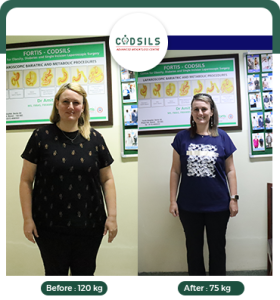
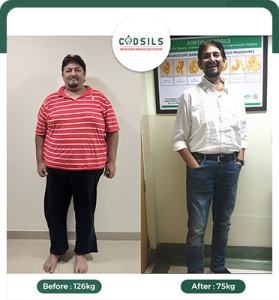
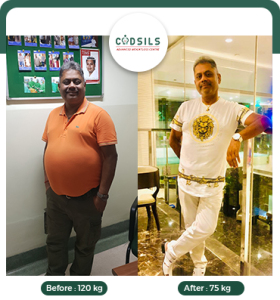
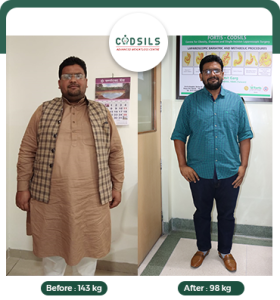
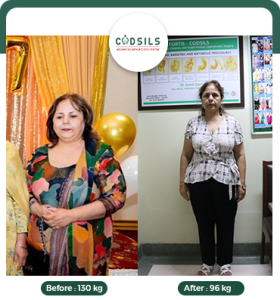
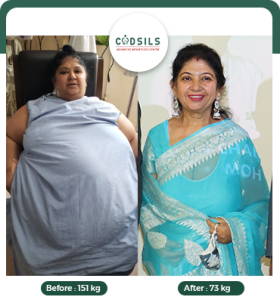
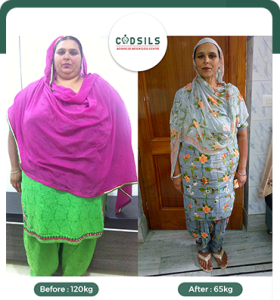
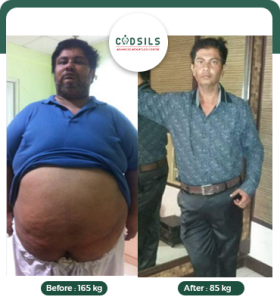
    Bariatric Surgery Results

    before image
    3000+

    Bariatric Surgery

    2000+

    Metabolic Surgeries

    10000+

    Laparoscopic GI Surgeries

    Our Patient’s Testimonials

    before image

    Latest News

    before image

    Latest Events

    before image
    Translate »
    WhatsApp chat