



15 Oct Sleeve Vs Bypass: Which Helps Diabetes Remission Faster?
If you are living with type 2 diabetes and obesity and weighing up gastric sleeve vs gastric bypass, you have probably heard this line at least once.
“Weight loss will help your sugar.” True. But also… not the full story. Because some people lose a decent amount of weight and their diabetes barely budges. Others have surgery and their blood sugars start improving before they have even lost much weight at all. Like, within days.
So when patients ask, “Gastric sleeve vs gastric bypass… which helps diabetes remission faster?” they are usually not asking out of curiosity. They are asking because they are tired. Tired of tablets, injections, fluctuating readings, scary lab reports, and that constant background worry about complications.
Not as a sales pitch. Not as a one size fits all answer. But as a practical gastric sleeve vs gastric bypass comparison so you can walk into a consultation (for example at CODSILS at www.codsils.com) with better questions and a clearer head.
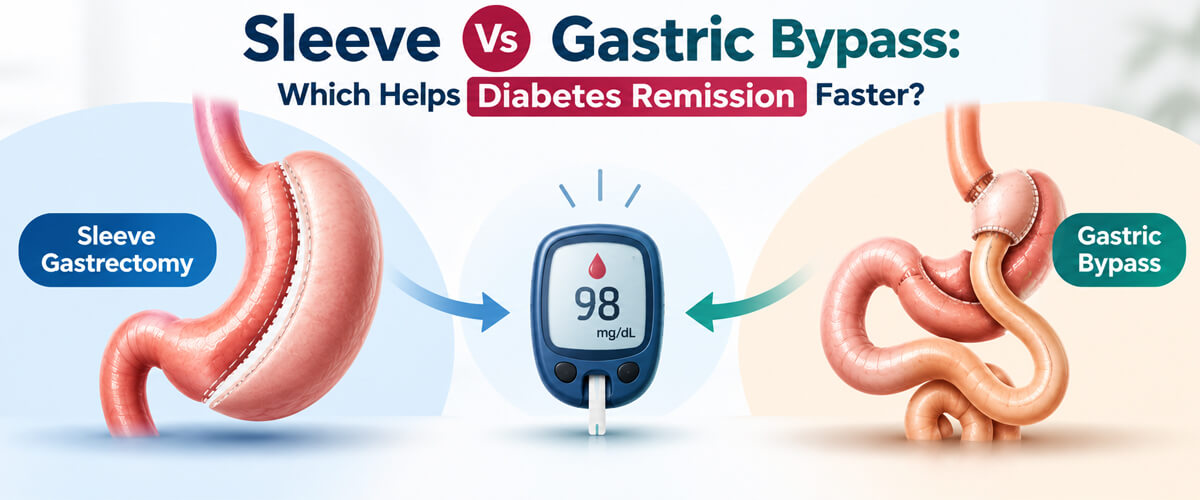
Gastric sleeve vs gastric bypass: what exactly are they?
Sleeve gastrectomy (Sleeve) in Punjab
In a sleeve gastrectomy, a large part of the stomach is removed, leaving a narrow tube or “sleeve.”
What it does:
- Restricts how much you can eat at a time.
- Reduces hunger hormones (especially ghrelin) in many patients.
- Helps with steady weight loss, which then improves insulin resistance.
Gastric bypass (Roux-en-Y bypass) in Punjab
In a gastric bypass, the surgeon creates a small stomach pouch and reroutes part of the small intestine so food bypasses a portion of the stomach and upper intestine.
What it does:
- Restricts intake (small pouch).
- Changes nutrient flow and gut hormone signals significantly.
- Often improves blood sugar control very quickly, sometimes before major weight loss.
So yes, both help you lose weight. But diabetes improvement is not only about weight loss. That is the key thing.
What does “helps diabetes remission faster” really mean?
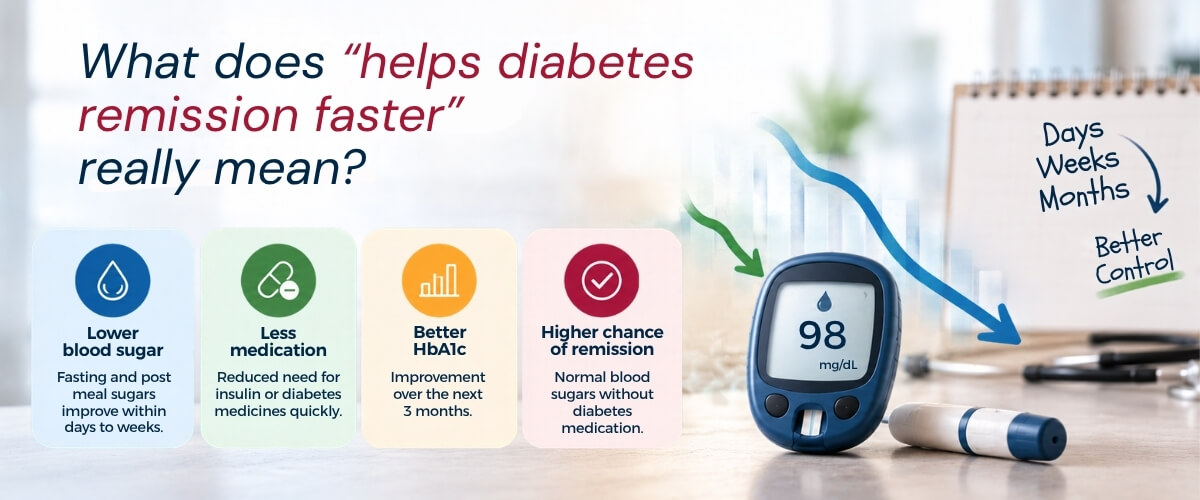
When we compare gastric sleeve vs gastric bypass and talk about diabetes improving “faster,” we usually mean:
- Lower fasting and post meal sugars within days to weeks
- Reduced need for insulin or medications quickly
- Better HbA1c over the next 3 months
- Higher chance of remission (normal sugars without diabetes meds)
The short answer: bypass usually works faster for diabetes
If the question is purely about speed of diabetes improvement, gastric bypass tends to produce faster and stronger early blood sugar improvements compared to sleeve.
Why?
Because bypass causes more immediate hormonal and metabolic changes that improve insulin function and glucose control. Sleeve also improves hormones, but bypass is typically more powerful in that early phase.
But. There is always a but. Faster is not always “best for you.” We will get there.
Why bypass often improves diabetes within days
This surprises people. They think, “How can my sugar improve if I have not even lost weight yet?”
Here’s what is happening.
- Gut hormones change dramatically
After bypass, food reaches lower parts of the intestine sooner. These triggers increased release of hormones like GLP-1 and PYY. These hormones:
- increase insulin secretion when needed
- reduce glucagon (a hormone that raises blood sugar)
- improve satiety and reduce cravings
Some modern diabetes medications are literally designed to mimic these hormones. Surgery can produce a strong natural effect.
- The liver’s glucose output drops early
In type 2 diabetes, the liver often releases too much glucose, especially overnight. After bypass (and after major calorie restriction), the liver “calms down” quickly. Fasting sugars may drop early because of this.
- Improved insulin sensitivity happens quickly with calorie reduction
Even before big weight loss, reduced calorie intake improves insulin sensitivity. Both sleeve and bypass do this. But bypass usually adds extra hormonal advantages.
- The “foregut” and “hindgut” effects (simple explanation)
You might hear surgeons mention this.
- Foregut hypothesis: bypassing the upper small intestine reduces signals that worsen insulin resistance.
- Hindgut hypothesis: rapid delivery of nutrients to lower intestine boosts beneficial hormones.
So where does sleeve fit in? Sleeve can still be excellent for diabetes
Sleeve is not “bad for diabetes.” Not at all.
Many patients see big improvements in:
- HbA1c
- insulin requirement
- triglycerides and fatty liver
- blood pressure
Sleeve tends to work through:
- weight loss over time (major driver)
- reduced hunger and better meal portion control
- moderate gut hormone improvements
Diabetes remission: which surgery has better odds?
- Bypass has higher remission rates for type 2 diabetes, especially in patients with more severe diabetes.
- Sleeve has good remission rates too, often close in certain groups, but typically a bit lower than bypass over the long term.
But remission depends heavily on:
- How long you have had diabetes
- Whether you are on insulin
- Your C-peptide levels (your body’s insulin production reserve)
- Your HbA1c and overall control
- Genetics, visceral fat, fatty liver, sleep, stress, and more
So two people can have the same BMI and totally different outcomes.
If you want diabetes improvement fast, here are the situations where bypass usually wins
Not always. But commonly.
- Long duration diabetes
If you have had type 2 diabetes for many years, the pancreas may be tired. Bypass tends to give a stronger metabolic push.
- On insulin (especially higher doses)
People on insulin can still get great results with sleeve. But bypass often leads to earlier and more substantial medication reduction.
- Higher HbA1c, difficult control
If sugars are stubborn despite multiple meds, bypass is frequently preferred for metabolic effect.
- Significant acid reflux (GERD)
This is not “diabetes faster,” but it matters. Sleeve can worsen reflux in some patients. Bypass often improves reflux. So if you already have reflux plus diabetes, bypass may solve two problems together.
When sleeve might be a better choice even if bypass is faster for diabetes
This is where the real decision happens.
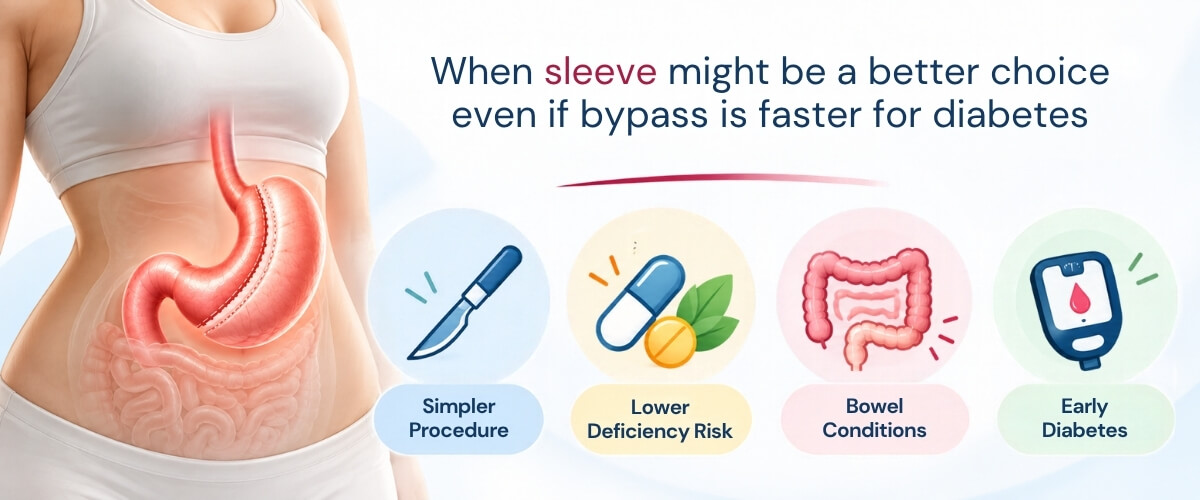
- You want a simpler procedure with no intestinal rerouting
Sleeve is generally simpler surgically compared to bypass. It is still a major operation, yes. But fewer rerouting steps.
- You are concerned about malabsorption and long term deficiencies
Bypass has a higher risk of nutrient deficiencies because of altered absorption, especially:
- iron
- vitamin B12
- calcium and vitamin D
- folate
Sleeve can also cause deficiencies. But bypass requires more strict long term supplementation and follow up.
- You have certain bowel conditions or medication needs
Some patients have reasons to avoid bypass, depending on medical history, inflammatory bowel disease patterns, or medication absorption concerns. This is individual. This is where a proper bariatric and metabolic team matters. Bypass is usually avoided for patients on NSAIDs, Ecosprin or chronic smokers because of the risk of marginal ulceration.
- Your diabetes is early and you still produce good insulin
If you have had diabetes for a short time, not on insulin, and C-peptide is good, sleeve may give you what you want without the added complexity of bypass.
Speed vs safety vs sustainability (the thing nobody wants to hear, but should)
“Faster” is attractive. Of course it is.
But in gastric sleeve vs gastric bypass, the best surgery is not the one that looks best on a chart. It is the one you can live with for the next 10 to 20 years.
So yes:
- Bypass often improves sugars faster. But also:
- Bypass requires more disciplined supplementation, follow ups, and monitoring.
- Sleeve may be easier to manage nutritionally for some patients.
- Both require lifestyle changes. Surgery is a powerful tool, not a replacement for aftercare.
- Sleeve plus intestinal bypass is a very good option and has shown better results as compared to sleeve or bypass alone.
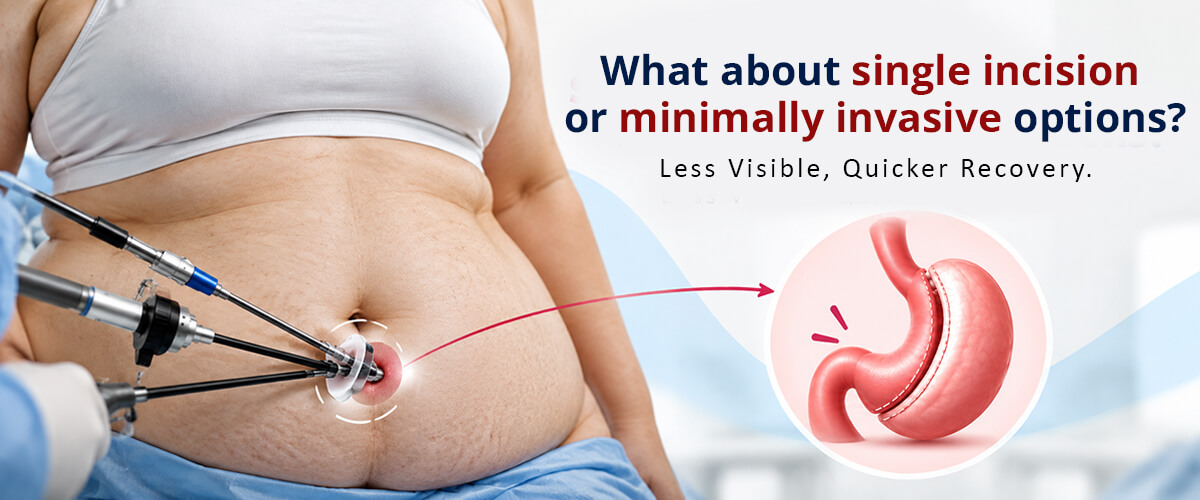
What about single incision or minimally invasive options?
Some specialized centres perform minimally invasive approaches including single incision laparoscopic techniques in selected patients. The point here is not cosmetic. A well done minimally invasive approach can mean:
- less pain for some patients
- quicker mobility
- smaller scars
But eligibility depends on BMI, body shape, previous surgeries, liver size, and surgeon assessment.
Clinics like CODSILS focus on obesity and metabolic care and minimally invasive bariatric surgery.
A realistic timeline: what “faster” looks like in the real world
After gastric bypass
Many patients see:
- rapid improvement in fasting sugars within days
- reduced need for diabetes meds very early, under supervision
- HbA1c improvement obvious at 3 months
Some people come off insulin quickly. Not everyone. But it happens often enough that it is not rare.
After sleeve
Many patients see:
- improvement early as well, especially as diet changes after surgery
- medication needs reduce over weeks to months
- HbA1c improves steadily as weight drops
So, gastric sleeve vs gastric bypass for diabetes. My clean takeaway
If your main goal is fast and strong diabetes improvement, especially if diabetes is long standing or you are on insulin, gastric bypass is often the better choice.
If your diabetes is earlier, you want a procedure that is typically simpler anatomically, and you are a good candidate without severe reflux, sleeve can still deliver major diabetes benefits.
If you are considering bariatric or metabolic surgery and want a personalized recommendation on gastric sleeve vs gastric bypass, you can explore consultation options through CODSILS at www.codsils.com. A focused clinic that deals with obesity and metabolic care every day will usually spot the details that generic advice misses.
FAQs (Frequently Asked Questions)
01 – What is the difference between sleeve gastrectomy and gastric bypass in diabetes treatment?
Sleeve gastrectomy involves removing a large part of the stomach to create a narrow tube, restricting food intake and reducing hunger hormones, leading to steady weight loss and improved insulin resistance. Gastric bypass creates a small stomach pouch and reroutes part of the small intestine, restricting intake and causing significant changes in nutrient flow and gut hormones, often improving blood sugar control rapidly, sometimes even before major weight loss.
02 – Why does gastric bypass often improve type 2 diabetes faster than sleeve gastrectomy?
Gastric bypass triggers immediate hormonal and metabolic changes by delivering food to lower parts of the intestine sooner, increasing hormones like GLP-1 and PYY that boost insulin secretion and reduce blood sugar. It also quickly reduces liver glucose output and enhances insulin sensitivity through calorie reduction. These combined effects typically lead to faster and stronger early blood sugar improvements compared to sleeve gastrectomy.
03 – Can sleeve gastrectomy still be effective for managing type 2 diabetes?
Yes, sleeve gastrectomy is effective for many patients. It helps by promoting steady weight loss over time, reducing hunger, improving meal portion control, and moderately enhancing gut hormones. While diabetes improvements may be slightly slower on average compared to bypass surgery, many patients experience significant benefits including better HbA1c levels, reduced insulin requirements, improved triglycerides, fatty liver conditions, and blood pressure control.
04 – What does ‘diabetes remission’ mean and which surgery offers better chances?
Diabetes remission refers to achieving normal blood sugar levels without the need for diabetes medications. Gastric bypass generally has higher remission rates for type 2 diabetes, especially in patients with more severe disease. Sleeve gastrectomy also offers good remission rates in certain groups but tends to be slightly lower than bypass over the long term. Remission likelihood depends on factors like duration of diabetes, insulin use, C-peptide levels (insulin production capacity), HbA1c control, genetics, and visceral fat.
05 – How soon can patients expect improvement in blood sugar after gastric bypass surgery?
Many patients experience noticeable improvements in fasting and post-meal blood sugars within days to weeks after gastric bypass surgery—often before significant weight loss occurs. This rapid improvement is due to hormonal changes that enhance insulin secretion and sensitivity as well as decreased liver glucose production resulting from altered nutrient flow through the intestine.
06 – Is faster diabetes improvement always the best reason to choose gastric bypass over sleeve gastrectomy?
Not necessarily. While gastric bypass tends to improve blood sugar control faster due to stronger hormonal effects, it may not be the best choice for everyone. Factors such as individual health status, severity of diabetes, surgical risks, personal preferences, and long-term management goals should be considered. A personalized consultation at centers like CODSILS can help patients make informed decisions tailored to their unique needs.
