


Surgery for Type 2 Diabetes: Sleeve with Loop Bipartition | DR. Amit Garg
CALCULATE BMI

Gastric sleeve with loop Bipartition for diabesity in Chandigarh

Why “diabesity” is so hard to fix with diet alone

“Diabesity” is one of those words that sounds a bit dramatic. But it’s basically just this: obesity plus type 2 diabetes, showing up together, feeding off each other.

Keep Reading

Extra body fat, especially around the belly and liver, makes your body resistant to insulin. Then your pancreas has to push out more insulin to keep blood sugar normal. And higher insulin levels can make it easier to store fat and harder to burn it. So you end up stuck in this loop where weight makes sugars worse, and worse sugars make weight harder to lose.

Some of the reasons are boring but real:

  • Insulin resistance makes your body prefer storing energy over using it. It’s not just willpower.
  • Hunger hormones shift when you lose weight. Ghrelin can rise, satiety signals can weaken, cravings feel louder.
  • Metabolic adaptation happens. Your body gets more efficient and burns fewer calories at the same weight and activity level. That’s why the “best way to lose weight fast” approaches often backfire. The body pushes back.

So expectations matter here. Lifestyle changes are foundational. They improve sleep, blood pressure, fatty liver, mood, joints, everything. But for some patients, especially with long standing diabetes, lifestyle alone doesn’t stay powerful enough for long term control.

That’s where medical therapy comes in. In selected cases, metabolic surgery, such as the laparoscopic roux-en-y gastric bypass metabolic, can become a serious option. Not as a shortcut but more like an extra lever that finally changes the biology.

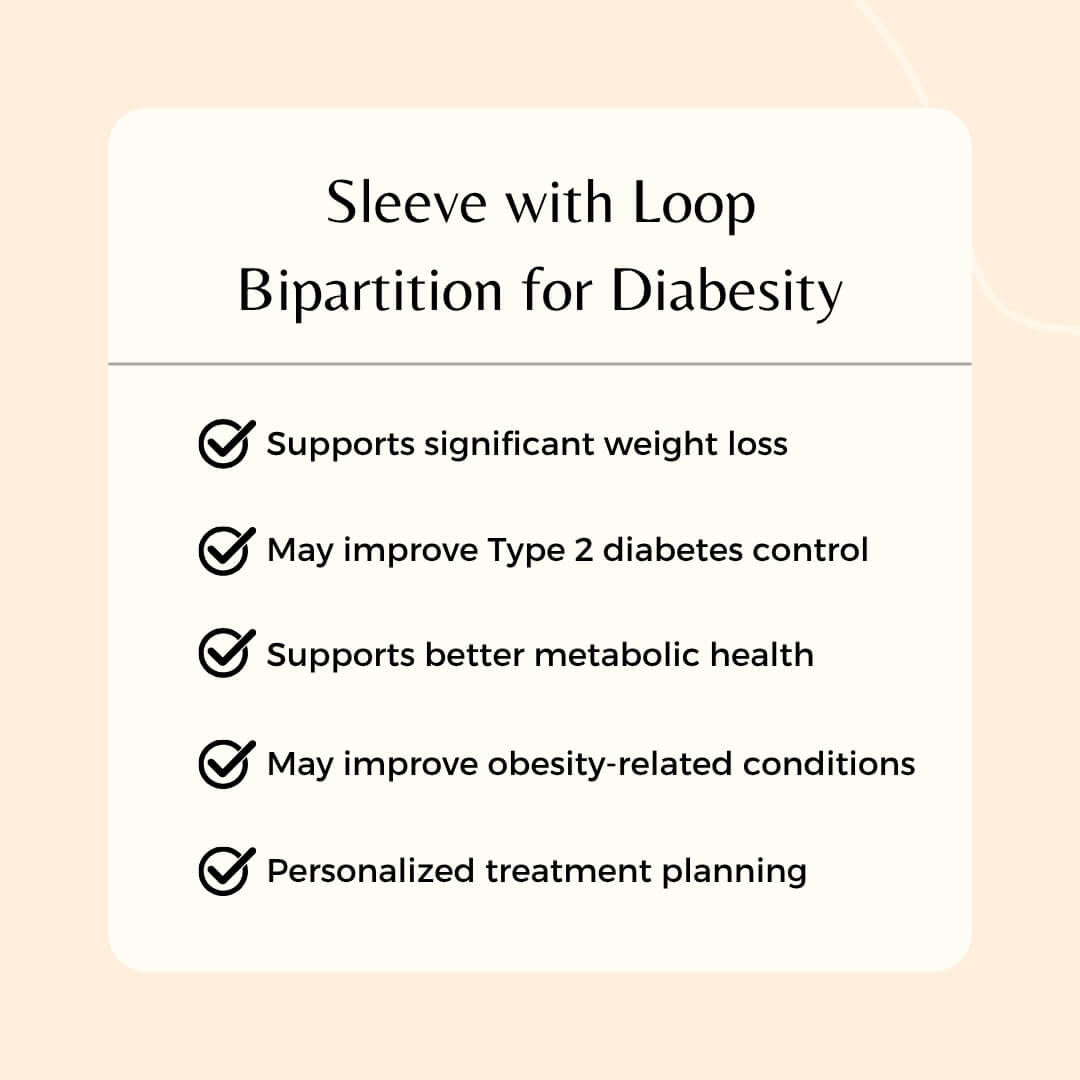
Procedures like gastric sleeve with loop bipartition are often discussed specifically for diabesity and may provide the necessary support when lifestyle changes aren’t sufficient enough for long-term control.
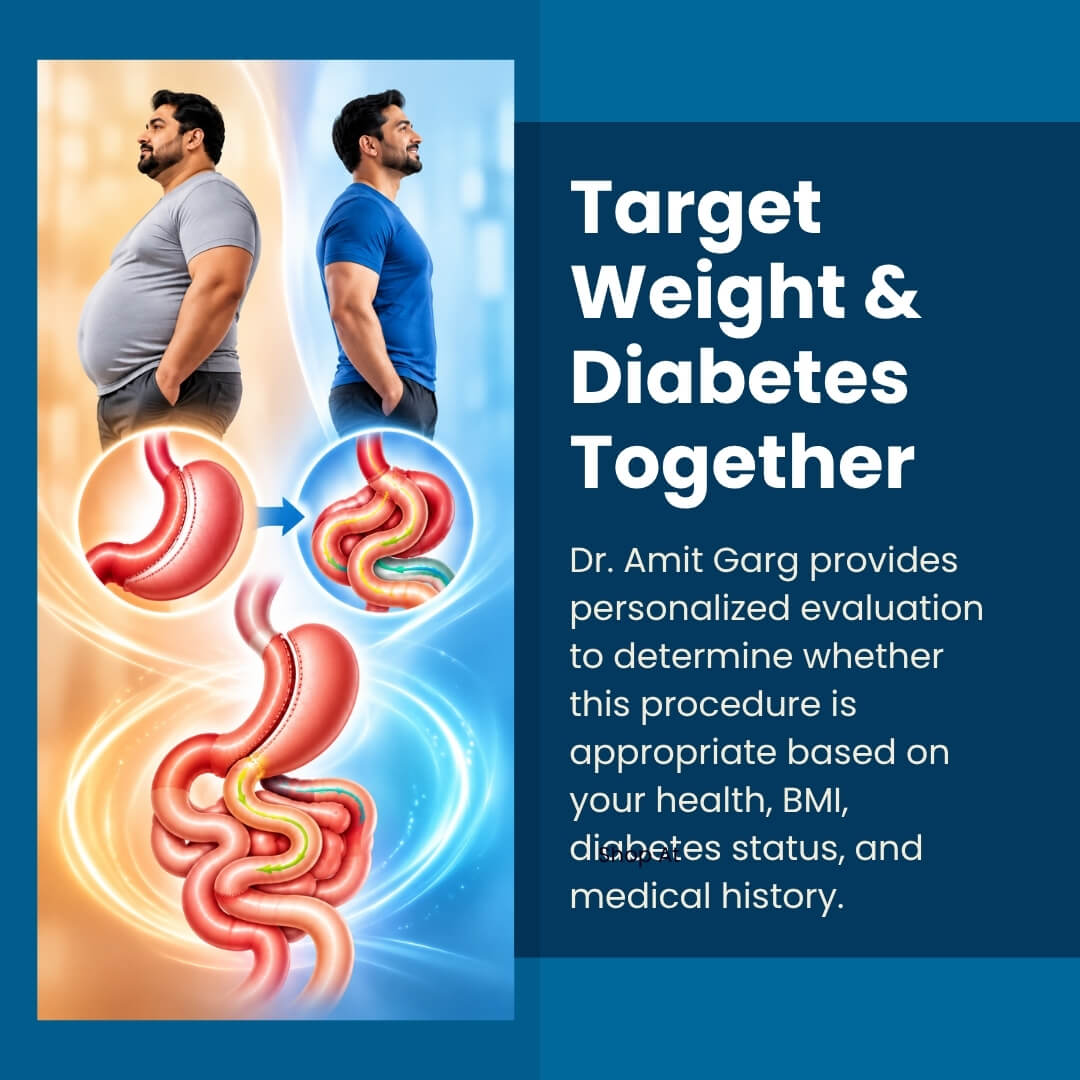
Gastric sleeve with loop Bipartition

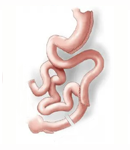
Laparoscopci Sleeve gastrectomy with loop bipartition (LSG+LB) in punjab, also known as SASI bypass (Single Anastomosis Sleeve Ileal Bypass), is a hybrid bariatric and metabolic surgery for type 2 diabetes and morbid obesity.

Keep Reading

It combines gastric restriction with a dual-pathway intestinal bypass to maximize metabolic hormone release while minimizing nutritional deficiencies.
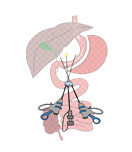
In Punjab and North India, it was first started at CODSILS by Dr Amit Garg in early 2024 and till date we have completed > 300 Procedures of sleeve gastrectomy with loop bipartition with excellent results. Dr Amit Garg is the First Surgeon in India to perform this procedure through 3 ports, minimally invasive technique. At CODSILS, We call it as I Single anastmosis sleeve jejuna bypass (SASJ) not SASI because in SASI up to ileum is bypassed and SASJ up to jejunum is bypassed. We at CODSILS, do this modification of SASI to suit procedure to our asian population as SASJ causes less nutritional deficiencies than SASI

What is gastric sleeve with loop bipartition and how does it work as surgery for type 2 diabetes?

The surgery alters the gastrointestinal tract using a two-step process:

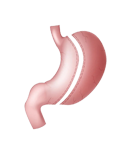
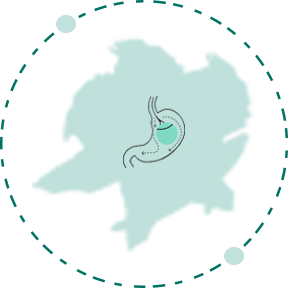
  1. Sleeve Gastrectomy (Restriction):  in this procedure after doing the gastrolysis, we remove approximately 70% – 75% of the stomach vertically, leaving a narrow, banana-shaped stomach tube. This drastically reduces food capacity and lowers production of ghrelin, the hunger hormone.
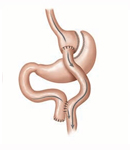
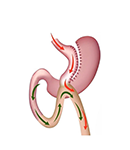
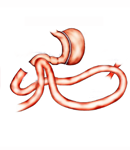
  2. Loop Bipartition (The Bypass): Without cutting the duodenum, a loop of jejunum is measured approximately 200 cm from the Ligament of Treitz and is connected with 4cm of anastomosis to the lower part of gastric sleeve / antrum. This anastomosis is approximately 3 – 4 cm before the pylorus. This causes malabsorption like any other type of gastric bypass or mini gastric bypass. In simpler language, food still travels through your gut, but it gets access to the “metabolic hormone rich” lower intestine sooner than it used to. It also causes stronger improvement in diabetes control, insulin resistance, fatty liver, and metabolic syndrome.

How it differs from other common surgeries, in patient friendly terms:

  • Standard sleeve gastrectomy
    – Just the smaller stomach. It helps weight, and it can improve diabetes, but as surgery for type 2 diabetes, its effect is sometimes not strong enough for severe insulin resistance or longer diabetes duration.
  • Mini gastric bypass (one anastomosis bypass)
    – Creates a smaller stomach pouch and bypasses part of the small intestine. It can be excellent for diabetes but can have issues like bile reflux in some patients and it tends to have a stronger malabsorption component depending on how it’s done. For more information on this type of surgery, you might find this comparison between gastric sleeve vs mini gastric bypass useful.
  • Roux en Y gastric bypass
    – The classic bypass with two connections. Strong metabolic effect, often good for reflux, more complex, and requires long term follow up and supplements.

When patients search “sleeve with loop bipartition” online, they’re usually looking for surgery for type 2 diabetes that feels like a sleeve but with “extra diabetes power”. That’s the simplest way to frame why people ask about it.

Why it’s known as Bipartition procedure?

Unlike traditional bypass (Mini gastric bypass or Roux en Y gastric bypass) surgeries that create a single “blind” track, loop bipartition creates two distinct pathways for food to travel. The biggest advantage of this procedure over other types of bypass is Access to duodenum and common bile duct  and lesser nutritional deficiencies.

  • The Bypass Route (~70% of food): Travels directly from the stomach into the lower small intestine. This swifter delivery of nutrients into the small intestine triggers the intense release of metabolic hormones or incretion hormones like GLP-1 and PYY, which suppress appetite and dramatically improve insulin sensitivity.
  • The Natural Duodenal Route (~30% of food): Continues through the normal pathway (duodenum and upper jejunum). This ensures the body can still naturally absorb vital micronutrients, iron, and calcium.

Advantages of Sleeve with loop bipartition or SASJ in Punjab

  • Reduced Malabsorption: Retaining the natural pathway prevents severe vitamin, mineral, and protein deficiencies common in standard gastric bypasses. In our past 300 cases, we have not reported even a single patient with hypoalbuminemia or Anaemia after sleeve gastrectomy with loop bipartition till now.
  • No Excluded Stomach: Endoscopic access to the duodenum and bile ducts remains completely open for future diagnostic needs and therapeutic needs. This is one of the most important advantages over other common old gastic bypass procedures.
  • Surgical Simplicity: Using a single loop anastomosis makes the procedure quicker and technically safer to execute than a multi-connection Roux-en-Y bypass.
  • High Type 2 Diabetes Remission: The swifter delivery of nutrients into distal ileum stimulates the incretin effect and secretion of GLP-1 and PYY hormones, which is why this surgery for type 2 diabetes has high resolution rates.
  • Less chances of Marginal Ulcers – the commonest reason for Marginal ulcer is Ishemia or reduced blood supply to the gastric pouch which is seen in mini gastric bypass and Rouc –en Y gastric bypass. These gastric bypass procedures are totally dependednt on left gastric artery where as LSG –LB has dual blood supply from left gastric artery as well as right gastric artery. Dual blood supply also reduces the chances of leakage from anastmosis.
  • Lesser chances of weight regain as compared to gastric sleeve alone as it’s a dual procedure.
Who benefits most from surgery for type 2 diabetes (and who may not)

This procedure is usually discussed for people who have obesity plus metabolic disease, especially:

  • Type 2 diabetes or prediabetes
  • Metabolic syndrome (high waist circumference, high sugars, high BP, triglycerides, low HDL)
  • Fatty liver disease
  • High triglycerides
  • Sleep apnea
  • PCOS in some cases, depending on the bigger picture

BMI eligibility Criteria

Surgery for type 2 diabetes is usually considered around BMI 35+, or BMI 30 to 35 if diabetes is difficult to control or there are major metabolic complications. Diabetes duration, insulin use, fatty liver severity, sleep apnea, and overall risk matter.

How it helps with weight loss and diabetes control

There are a few mechanisms working together. The easiest way to understand it is: restriction + hormones + food routing.

  1. Restriction (smaller stomach)

With a sleeve gastrectomy, portion size drops naturally. Hunger often decreases, especially early on, and you physically cannot eat like before. This supports any diet plan for weight loss because you’re not fighting constant volume hunger.

  1. Hormonal and metabolic effects

After sleeve and bipartition style procedures, gut hormones change. Many patients notice:

  • Less hunger
  • Reduced cravings
  • Better control over snacking urges

Part of this is tied to improved insulin sensitivity and hormones like GLP 1 that support better glucose control and satiety. The “food noise” quietens for many people, not everyone, but many.

  1. The “two pathways” idea (bipartition)

With loop bipartition, some food reaches the distal intestine earlier than before. That distal intestine is a powerful signal generator. It’s one of the reasons this surgery for type 2 diabetes can give stronger improvement than a standard sleeve alone.

  1. Durability vs extreme fat loss methods

People try fat loss extreme approaches. Very low calorie diets, detoxes, long fasting cycles with rebound eating. They can produce quick loss, sure. But biology usually fights back.

Surgery for type 2 diabetes is not magic, but it changes the baseline. It gives you a structure where long term habits actually have a chance to stick because hunger and insulin resistance are often reduced.

Timeline expectations help:

  • First 4 to 12 weeks: more rapid weight loss, major appetite changes
  • Months 3 to 12: steady progress, fitness improves, diabetes medications often drop
  • After 1 year: maintenance becomes the main skill, not speed
Expected results: weight loss, belly fat, and metabolic improvements

People ask about belly fat because that’s where insulin resistance lives. Visceral fat around the organs is the problem fat. With meaningful weight loss, waist circumference usually reduces.

Typical outcomes you’ll hear discussed include:

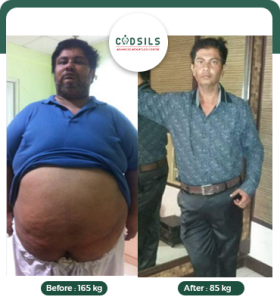
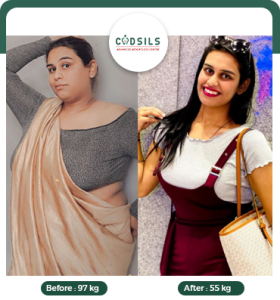
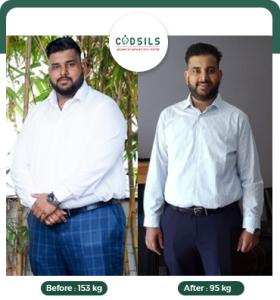
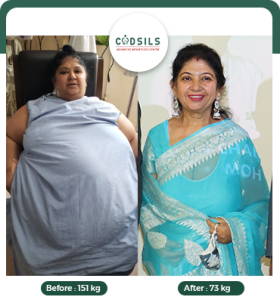
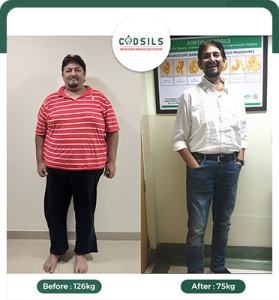
  • Significant weight reduction over 6 to 12 months
  • Decrease in waist size and belly fat
  • Improvement in HbA1c
  • Reduction in diabetes medications, sometimes insulin discontinuation in selected patients
  • Better blood pressure, triglycerides, fatty liver, sleep apnea symptoms

But results of surgery for type 2 diabetes vary. A lot depends on:

  • Starting BMI
  • How long you’ve had diabetes
  • Whether you were on insulin
  • Consistency with protein, activity, and follow up
  • Attendance at reviews and blood tests

Also, “success” is not just a number on the scale. Patients often care more about walking without knee pain, sleeping better, fitting into clothes, feeling normal energy again, or seeing fatty liver markers improve.

Still, a short caution that matters. No surgery is a guarantee. It’s a tool that works best when lifestyle is built around it.

Risks, side effects, and long-term considerations

Early risks, generally:

  • Bleeding
  • Leak from staple lines or connections
  • Infection
  • Blood clots
  • Anaesthesia related complications

Later issues that some patients experience:

  • Reflux or worsening heartburn in some cases
  • Nausea and vomiting if eating rules are ignored or if there is narrowing
  • Bowel habit changes
  • Nutritional deficiencies over time, especially if supplements and protein are inconsistent

Long term, supplementation and monitoring are not optional. Common needs include:

  • Protein intake focus
  • Iron
  • Vitamin B12
  • Folate
  • Vitamin D and calcium
Pre-surgery preparation: what a good weight loss clinic program looks like

A good program usually looks structured, not rushed.

Medical evaluation before surgery for type 2 diabetes often includes:

  • Diabetes control review, HbA1c, medication plan
  • Cardiac and respiratory assessment when indicated
  • Fatty liver evaluation
  • Sleep apnea screening if symptoms suggest it

Nutrition counseling is a big part:

  • A pre op liver shrink diet may be given (often high protein, low carb) to reduce liver size and make surgery safer
  • Learning post op eating rules before surgery, not after

Behavior and lifestyle preparation:

  • Sleep routine. Under slept people struggle with hunger and sugar control
  • Stress eating awareness
  • Alcohol reduction or stopping, depending on the patient
  • Smoking cessation (really important for healing and complication risk)

And yes, choose an experienced bariatric center and surgeon. For instance, Dr. Amit Garg is recognized as the best surgeon for mini gastric bypass surgery in Punjab, which can significantly impact complication management, patient education, and follow up structure.

Your post-op weight loss diet (phases) and the diet plan that actually works

Post op diet is usually phase based. The exact timeline varies by surgeon, but the flow is similar.

Phase 1: Clear liquids

Focus: hydration, tolerating small sips, protecting the new stomach.

Phase 2: Full liquids

Focus: introducing protein liquids, still gentle on digestion.

When considering weight loss surgery options such as the mini gastric bypass, it’s essential to understand the cost of mini gastric bypass surgery in Punjab.

Phase 3: Pureed and soft foods

Focus: protein rich soft foods, slow pacing, learning fullness signals.

Phase 4: Regular textured foods

Focus: building a sustainable pattern you can live with.

Across every phase, the rule that wins is boring but powerful:

Protein first.

Most programs set a daily protein target (your team will personalize it). Protein prevents muscle loss, supports healing, keeps you full, and improves body composition so weight loss is more fat loss, not just scale loss.

Hydration rules matter too:

  • Sip slowly across the day
  • Don’t wait until you’re thirsty
  • Avoid dehydration
  • Separate fluids from meals as advised by your team (commonly no drinking right before and after meals)

Portion control and mindful eating becomes real now:

  • Eat slowly
  • Chew thoroughly
  • Stop at the first sign of fullness, not the last

Common mistakes that stall weight loss:

  • Liquid calories (sweet coffee, juices, sugary shakes)
  • Frequent snacking or grazing
  • Low protein days
  • “Soft slider foods” like biscuits, chips, namkeen. They go down easy and add up fast
Best foods for weight loss after weight loss surgery

You do not need fancy diet food. You need consistent basics.

High protein staples, as tolerated:

  • Eggs
  • Paneer or tofu
  • Chicken or fish
  • Greek yogurt, curd, hung curd
  • Dals and legumes (tolerance varies early, start slow)

Fiber and micronutrients:

  • Cooked vegetables early on (easier to digest)
  • Later, salads in small portions
  • Fruits in measured portions, not unlimited bowls

Carb quality:

  • Small portions of whole grains when appropriate
  • Limit refined carbs like maida items, sugary cereals, sweets, sweet drinks

Healthy fats in moderation:

  • Nuts and seeds (careful with quantity)
  • Olive oil or mustard oil in small amounts
  • Ghee can fit, but it’s calorie dense, so measure it, don’t free pour

A simple “plate” structure once you’re on regular foods:

  • First priority: protein portion
  • Second: cooked veg or salad
  • Third: small portion of whole grain if needed and tolerated

This structure helps fat loss without feeling like constant dieting.

If you’re considering options like gastric ballooning, which is an effective method for weight loss or exploring the laparoscopic Roux-en-Y gastric bypass surgery for more significant results in Punjab India under expert supervision of Dr. Amit Garg at Codsils. Alternatively, if you’re looking for a less invasive approach to weight management such as swallowing a pill gastric balloon, we have those options available too.

Comparing options: sleeve + loop bipartition vs mini gastric bypass

Patients often compare procedures like they’re comparing phones. But the “best” one depends on your body and your risks.

A simple way to think about it:

  • Reflux risk: some procedures can worsen reflux in some patients, while others may improve it. This is a key discussion point if you already have GERD.
  • Malabsorption and nutrition: more bypass generally means more nutritional monitoring needs. Not bad, just a commitment.
  • Complexity: Roux en Y is more complex than a standard sleeve. Bipartition adds complexity compared to sleeve alone.
  • Follow up needs: all require follow up, but some require tighter monitoring.

A lot of people looking for surgery for type 2 diabetes search things like “mini gastric bypass in Punjab” because they want a strong diabetes result. That’s understandable. But the decision should be personalized, not based on what’s trending.

Finding the best bariatric team in Punjab

When searching for a bariatric team, people often type queries like:

  • “weight loss dr near me”
  • “weight loss clinic near me”
  • “weight loss center near me”

While distance does play a role due to the necessity of follow-ups, it’s essential to evaluate other factors as well.

Good care usually includes:

  • Surgeon credentials and documented bariatric experience
  • Hospital accreditation and safety systems
  • A multidisciplinary team (nutritionist, physician, psychologist support when needed)
  • Structured follow up schedule
  • Transparent outcomes and complication management plan

If you’re considering gastric sleeve surgery in Punjab, it’s crucial to understand what you’re signing up for. This surgery could be a game changer for your weight loss journey. However, it’s not just about the procedure; it’s also about following a structured diet plan and adhering to regular follow-ups.

Long-term success after surgery for type 2 diabetes: keeping weight off and protecting your diabetes remission

Maintenance is not a phase you “start later”. It begins the day you start recovery.

Long term success looks like:

  • Stable habits you can repeat even during busy weeks
  • Regular labs and supplements
  • Annual reviews, sometimes more often if deficiencies occur

How weight regain usually happens:

  • Grazing
  • Liquid calories
  • Low protein intake
  • Inactivity creeping back in
  • Stopping follow up because things feel fine

Diabetes follow-up is still needed after surgery for type 2 diabetes, even if sugars normalize:

  • Monitor HbA1c as advised
  • Medication adjustments must be done with your doctor, not self decided
  • Watch for hypoglycemia risk as insulin resistance improves, especially if you’re still on sugar lowering meds

A sustainable routine is simple, not perfect:

  • Protein plus produce focus most days
  • Planned treats instead of random treats
  • Consistent activity you don’t hate
  • Support groups or check ins, even if informal

Surgery is a tool. A powerful one, especially for diabesity. But the best weight loss outcome comes from the combination of the procedure – such as gastric sleeve surgery – plus a real diet plan plus structured follow up. And then doing the unglamorous things over and over until it becomes normal.

It’s important to note that while surgeries

Dr Amit Garg

Minimal Access Bariatric
Metabolic & GI Surgeon

Benefits of bariatric surgery (weight + diabetes + quality of life)

Results vary, but bariatric surgery has a strong evidence base.
Weight loss

Many patients lose around 50 to 70 percent of excess body weight within the first year, depending on the procedure and adherence to the plan.

Metabolic benefits

  • Blood sugar often improves significantly
  • Many patients reduce diabetes medicines
  • After surgery for type 2 diabetes, some patients experience remission, especially if diabetes duration is shorter and pancreatic function is better. But it should not be promised as guaranteed.

Blood pressure and lipid profiles often improve too, which matters long term.

Comorbidity improvement

Patients commonly report improvement in:

  • Sleep apnea and snoring
  • Fatty liver markers
  • Joint pain, especially knees and back
  • Mobility and stamina

Heart risk reduction angle

Sustained weight loss tends to improve cardiovascular risk factors. Think better BP, better sugars, better cholesterol, less inflammation. It’s not magic, it’s physiology.

Quality of life

This part sounds soft but it’s real. Better daily functioning, confidence, fitting into seats comfortably, walking without pain, being able to play with kids without getting breathless. People underestimate how much that changes mental health too.

Bariatric surgery cost in Punjab

Cost varies a lot, and it’s not always obvious why.

Here’s what usually affects the final price:

  • Procedure type: sleeve vs RYGB vs mini bypass
  • Hospital category and infrastructure
  • Surgeon experience and team expertise
  • Staplers and consumables used (these are significant cost components)
  • BMI complexity (higher BMI can mean longer operative time, higher risk)
  • Comorbidities like diabetes, sleep apnea, cardiac issues
  • ICU needs and length of stay

A clean way to evaluate packages

When you see a package, ask what is included and what is not.

Common inclusions:

  • Surgery, anesthesia, OT charges
  • Hospital stay
  • Standard in hospital medicines

Common exclusions (varies by hospital):

  • Pre op tests and specialist clearances
  • Post op supplements and vitamins
  • Long term follow up labs
  • Treatment of unexpected complications (sometimes partially included, sometimes not)

Questions worth asking (even if it feels awkward)

  • What exactly is included in the package?
  • Which stapler brand and consumables are used?
  • How many follow up visits are included?
  • Is dietician counseling part of the package?
  • If I have an emergency after discharge, what support system exists?

Also, about “low cost bariatric surgery in Punjab” searches. It’s understandable. But don’t optimize for cheapest. Optimize for safe. Value means experienced team, proper infrastructure, and a follow up system that reduces your chance of complications and weight regain.

How much does weight loss surgery cost in India (typical ranges)

Prices vary by city, hospital tier, surgeon reputation, and how complicated your case is. But realistic ballpark ranges for self pay patients often look like this:

  • Gastric Sleeve in India: roughly INR 3.0 to 3.5 lakhs (approx USD 3,000 to 3,500)
  • Gastric Bypass in India: roughly INR 3.5 to 4.5 lakhs (approx USD 3500 to 4500)
  • Mini Gastric Bypass: often similar to bypass, sometimes slightly lower, depending on center
  • Revision surgery: can be INR 5 to 7 lakhs (approx INR 5 to 7 lakhs USD 5,000 to 7,000+)

If you are comparing with the US where bariatric surgery can easily run USD 15,000 to 30,000+ , you can see why India is on the shortlist.
But do not stop at the surgery price alone. Budget for the full trip.

Travel budget reality check

If you are coming from outside India, consider:

  • flights
  • hotel stays (before admission, after discharge)
  • local transport
  • companion costs if someone travels with you
  • extra days in case recovery is slower than expected
  • follow up visits, medications, lab tests

Even after all that, many patients still end up far below Western costs. Just do not get surprised by the add ons.

What is usually included in an “all inclusive” bariatric package

Hospitals in India often offer bundled packages. Some are genuinely comprehensive. Some are “inclusive” in marketing only.
Typically included:

  • surgeon fee
  • anesthesia fee
  • OT charges
  • hospital stay (often 2 to 4 nights depending on procedure)
  • standard room category (not always deluxe)
  • basic pre op workup (blood tests, ECG, chest X ray)
  • dietician counseling (sometimes limited sessions)

Often not included, or included only partially:

  • ICU stay if unexpectedly needed
  • complications management (read the fine print)
  • advanced imaging if required
  • treatment for unrelated conditions discovered during workup
  • higher room categories
  • extended stay beyond package days
  • some medications after discharge
  • follow up after you return home (teleconsults may be extra)

Ask for the package inclusions in writing.

Who qualifies for weight loss surgery (common criteria)

Most bariatric programs follow international guidelines with some variation.
Typical eligibility:

  • BMI 40+, or
  • BMI 35+ with obesity related conditions (type 2 diabetes, sleep apnea, hypertension, fatty liver, joint issues), and sometimes
  • BMI 30 to 35 in select cases with poorly controlled diabetes or metabolic disease, depending on surgeon and guidelines used

You also need:

  • ability to follow post op diet and supplementation
  • psychological readiness (some hospitals do a psych evaluation)
  • realistic expectations and willingness to attend follow ups

This part matters. Surgery is not a magic reset. It is a tool that works insanely well when you actually use it properly. Vitamins, protein, hydration, movement, follow up labs. The boring stuff.

Best cities in India for bariatric surgery (and why)

India is huge. Medical quality is not evenly distributed. You will find excellent bariatric programs in many places, but some cities are simply easier for international patients.
Common medical tourism hubs:

  • Chandigarh: lots of large multi specialty hospitals, international patient departments, flight connectivity. Dr Amit Garg and CODSILS is the main reason people prefer Chandigarh
  • Mumbai: high end private hospitals, strong surgical talent pool
  • Bengaluru: good corporate hospitals, strong systems and follow up culture in many centers
  • Chennai: known for cost effective care with solid quality in many hospitals
  • Hyderabad: competitive pricing, multiple reputable bariatric teams
  • Kochi: popular for some international patients, calmer pace, good hospitals

Instead of picking a city first, pick the surgeon and hospital first. Then the city follows.

How to choose the right hospital and surgeon (this is where people rush)

If you are trying to keep it affordable, you might be tempted to just chase the lowest quote.
Try not to.
A good selection checklist:

Surgeon focused questions

  • How many sleeve or bypass procedures do you perform per year
  • What is your leak rate and major complication rate, roughly
  • Are you trained specifically in bariatric and metabolic surgery
  • Do you do the surgery yourself or is it a rotating team
  • What is your approach to follow up and long term monitoring
  • How do you handle gallstones, reflux, or hiatal hernia if found

You want clear answers. Not defensive, not vague.

Hospital focused questions

  • Is the hospital accredited (NABH is common in India, JCI exists in some centers)
  • Do they have an ICU and specialists on call
  • Is there a dedicated bariatric coordinator and dietician
  • Do they have protocols for DVT prevention, early mobilization, pain control
  • Do they provide structured diet stages and supplementation plans

You are not being “difficult” by asking. This is your body.

The surgery experience in India, what it often looks like

Every hospital is different, but the general flow is pretty consistent.

Before surgery

You arrive, you meet the surgeon and team, you do pre op workup. Blood tests, imaging if needed, sometimes an endoscopy, sometimes a pulmonology or cardiology clearance if you have risk factors.

You will likely be asked to do:

  • a pre op diet (often liquid or low carb) for liver shrinkage
  • stop smoking, stop alcohol, adjust medications
  • plan for post op diet stages

Hospital stay

Most sleeve patients stay around 2 to 3 nights. Bypass can be 3 to 4 nights. Some discharge earlier, but I personally think an extra night is not the worst thing. Especially if you flew in.
Pain is usually manageable. Walking starts early. Sips of water, then clear liquids.

After discharge

You will be on staged diet progression. Clear liquids, full liquids, pureed, soft, then regular textured food. The timeline varies by surgeon.

You also start:

  • vitamins and minerals (this is non negotiable, especially for bypass)
  • protein supplementation
  • hydration goals

Expect fatigue. Mood swings sometimes. Weird taste changes. This is normal, within reason.

Hidden costs and common mistakes (so you do not step on the same rake)

Here are the common “I wish I knew this earlier” items.

1. You might need extra days in India

If you are traveling internationally, plan to stay at least 10 to 14 days total, sometimes longer depending on surgeon preference and your healing.
Flying too early increases risk of clots, dehydration, discomfort, and just overall misery.

2. Cheap quotes sometimes exclude essentials

Some quotes do not include:

  • stapler charges
  • consumables
  • compression stockings
  • OT time beyond a set limit
  • management of comorbidities

Always get a written inclusion list.

3. Follow up care at home needs planning

Weight loss surgery is not a one time thing. You need follow up labs, vitamin monitoring, sometimes medication adjustments, and a primary doctor who is not hostile to bariatric patients.

Before you fly, ask for:

  • operative notes
  • discharge summary
  • diet plan
  • supplement plan
  • schedule for labs (3 months, 6 months, 12 months, annually)
  • contact email or WhatsApp for follow up questions

4. Do not ignore reflux symptoms

If you already have bad GERD, sleeve might worsen it in some patients. Bypass often helps reflux, but each case is unique. A pre op endoscopy and proper discussion matters here.

5. Revision surgeries are not bargain shopping territory

If you need a revision, choose a center that does revisions routinely. The cheapest option is rarely the safest in that category.

Is bariatric surgery in India safe

It can be very safe. India has world class surgeons and hospitals, especially in major cities and established centers. Many hospitals follow protocols comparable to international standards.

But safety depends on:

  • surgeon experience
  • hospital systems
  • your health status and preparation
  • post op monitoring and follow up compliance

So the honest answer is yes, it can be safe. But you have to choose carefully, and you have to do your part too.

How to start the process (simple steps)

If you are serious about doing this in India, here is a clean way to start without getting overwhelmed.

  • Shortlist 3 to 5 hospitals or surgeons based on reviews, credentials, and volume.
  • Request a video consultation and share your basic health info.
  • Ask for a written package quote with inclusions and exclusions.
  • Check what pre op tests you can do at home to save time in India.
  • Plan your stay with buffer days.
  • Arrange post op follow up back home and commit to lab monitoring.

And honestly, listen to your gut during consults. If the coordinator is pushy, if questions annoy them, if they promise unrealistic outcomes, it is okay to move on.

Expected weight loss results (rough idea, not a promise)

Results vary, but many patients see:

  • Sleeve: often around 50 to 70% excess weight loss over 12 to 18 months
  • Bypass: often around 60 to 80% excess weight loss over 12 to 18 months

Metabolic improvements, especially for type 2 diabetes, can happen quickly after bypass and sometimes after sleeve too.

But results depend heavily on follow up, protein intake, activity, sleep, and whether old habits quietly creep back in. It happens. You just correct course and keep going.

Final thoughts

Affordable weight loss surgery in India is real. The numbers can make sense even after flights and hotels. And there are surgeons there who do this every day, with strong outcomes, solid protocols, and real support systems.

Just do not treat “affordable” like “pick the lowest price and hope for the best”.

Pick experience. Pick a hospital that has systems. Ask the annoying questions. Get everything in writing. Plan your follow ups before you even board the flight.

If you do it that way, India can be not just the cheaper option, but the smart option.

Surgery for Type 2 Diabetes

Make An Appointment

Call:6283337650

OR

    Name (required)

    Email Id (required)

    Phone Number (required)

    City

    Message for the Doctor (If Any)

    Frequently Asked Questions

    before image
    What is "diabesity" and why is it challenging to manage with diet alone?

    “Diabesity” refers to the coexistence of obesity and type 2 diabetes, where excess body fat, especially around the belly and liver, causes insulin resistance. This creates a cycle where weight gain worsens blood sugar control and high insulin levels promote fat storage, making it difficult to break the loop with diet alone.

    Why do many people hit a weight loss plateau despite following diet and exercise plans for diabesity?

    Several factors contribute to plateaus: insulin resistance encourages energy storage over use; hunger hormones like ghrelin increase, weakening satiety signals and amplifying cravings; and metabolic adaptation makes the body more efficient at burning fewer calories at the same weight and activity level. These biological responses can stall progress even when lifestyle changes are maintained.

    What role does gastric sleeve with loop bipartition play as surgery for type 2 diabetes and diabesity?

    Gastric sleeve with loop bipartition combines stomach size reduction (sleeve gastrectomy) with modification of the food pathway to deliver nutrients earlier to the distal small intestine, enhancing metabolic hormone release. This surgery not only aids weight loss but also significantly improves diabetes control, insulin resistance, fatty liver, and metabolic syndrome, providing extra metabolic benefits beyond standard sleeve gastrectomy.

    How does gastric sleeve with loop bipartition differ from other bariatric surgeries like mini gastric bypass or Roux en Y gastric bypass?

    Unlike standard sleeve gastrectomy which only reduces stomach size, gastric sleeve with loop bipartition modifies nutrient flow for stronger metabolic effects. Mini gastric bypass creates a smaller pouch and bypasses part of the intestine but may cause bile reflux and malabsorption issues. Roux en Y gastric bypass involves two intestinal connections for robust metabolic impact but is more complex and requires long-term follow-up and supplementation.

    Who are ideal candidates for gastric sleeve with loop bipartition surgery?

    This procedure is typically considered for individuals with obesity plus metabolic diseases such as type 2 diabetes or prediabetes, metabolic syndrome, fatty liver disease, high triglycerides, sleep apnea, or sometimes PCOS. Eligibility often includes a BMI of 35+ or BMI 30-35 if diabetes is hard to control or major complications exist. Other factors like diabetes duration, insulin use, fatty liver severity, and overall risk are also evaluated.

    When might bariatric surgery like gastric sleeve with loop bipartition not be appropriate?

    Surgery may not be suitable for patients with uncontrolled psychiatric illness (e.g., severe depression or untreated eating disorders), active substance use issues, untreated endocrine disorders causing weight gain (like uncontrolled hypothyroidism or Cushing’s syndrome), or those unable to commit to necessary follow-up care, supplements, and dietary progression.

    Sleeve gastrectomy with loop bipartition in Punjab is one of the best bariatric Procedures and has multiple advantages over gastric sleeve and Mini gastric Bypass. Dr Amit garg at CODSILS Mohali has performed the highest number of LSG –LP procedure with a high success rates.

    Weight loss surgery in Amritsar | Punjab | Dr Amit Garg

    before image

    Laparoscopic Bariatric & Metabolic Procedures

    before image

    Bariatric surgery is scientifically proven procedure that aims to help individuals with obesity achieve
    significant and sustainable weight loss by altering the digestive system. There are several types of
    bariatric procedures, each with its own approach and mechanism of action

    Roux-en-Y Gastric Bypass

    Roux-en-Y Gastric Bypass

    Read More

    Mini Gastric Bypass

    Mini Gastric Bypass

    Read More

    Sleeve Gastrectomy

    Sleeve Gastrectomy

    Read More

    Sleeve Gastrectomy with Proximal Jejunal Bypass

    Sleeve Gastrectomy with Proximal Jejunal Bypass

    Read More

    Loop Duodeno Jejunal with Sleeve Gastrectomy

    Loop Duodeno Jejunal with Sleeve Gastrectomy

    Read More

    Single Incision (Zero Scar) Bariatric Surgery

    Single Incision
    (Zero Scar)
    Bariatric Surgery

    Read More

    Fill our health questionnaire and find out if you are eligible for bariatric surgery

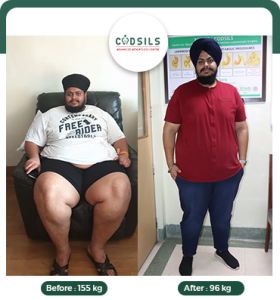
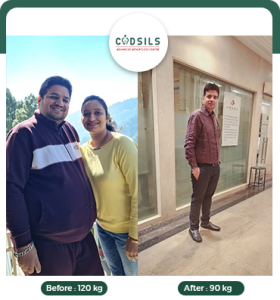
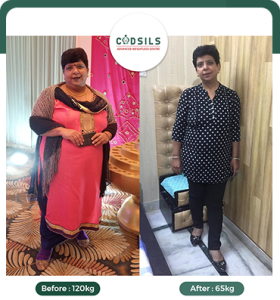
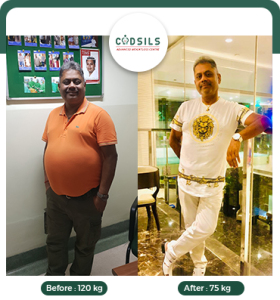
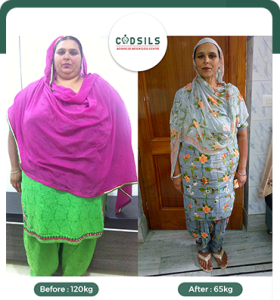
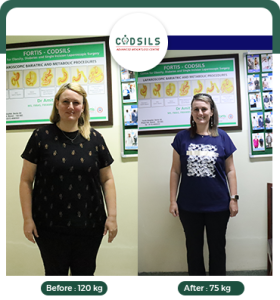
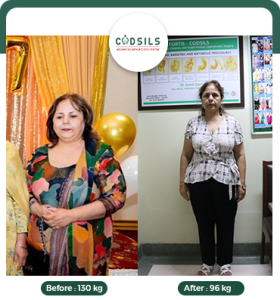
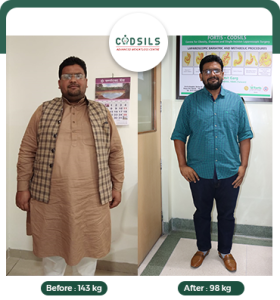
    Bariatric Surgery Results

    before image
    3000+

    Bariatric Surgery

    2000+

    Metabolic Surgeries

    10000+

    Laparoscopic GI Surgeries

    Our Patient’s Testimonials

    before image

    Latest News

    before image

    Latest Events

    before image
    Translate »
    WhatsApp chat