




Obesity is a chronic disease caused because of long-term positive energy balance; the intake of calories is more than the expenditure of energy. This results in progressive accumulation of body fat that might have a negative effect on the health.
HOW DO WE MEASURE OBESITY?
Body Mass Index (BMI) is the most common method of measuring obesity. BMI is calculated by dividing body weight (Kilograms) by height in (meters) 2
BMI = Weight in Kilograms / Height in (meter) squared
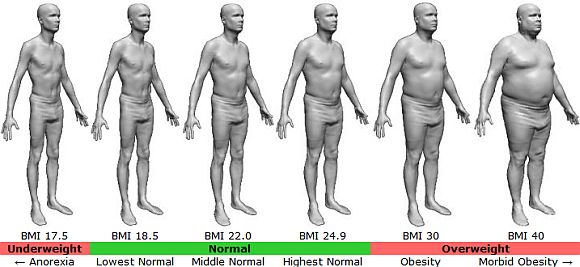
GRADING OR CLASSIFICATION OF OBESITY
PROBLEMS ASSOCIATED WITH OBESITY
Obesity is not just a cosmetic problem. It’s recently recognized as a chronic disease and can further lead to a number of comorbidities such as-
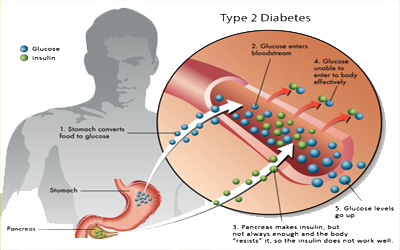
Type II Diabetes
A blood sugar which can further cause serious damage to various vital organs of the body.
Hypertension
It is defined as high pressure in arteries, which are the vessels that carry blood from heart to rest of the body. This is caused due to deposition of cholesterol in the layers of blood vessels.
Osteoarthritis of weight bearing joints
It is now recognized that knee osteoarthritis exists in the highly metabolic and inflammatory environments of adiposity. Cytokines associated with adipose tissue, including leptin, adiponectin, and resistin, influence osteoarthritis though direct joint degradation or control of local inflammatory processes. It is further strongly related to the co-existence of disordered glucose and lipid metabolism.
Obstructive Sleep Apnea (OSA)
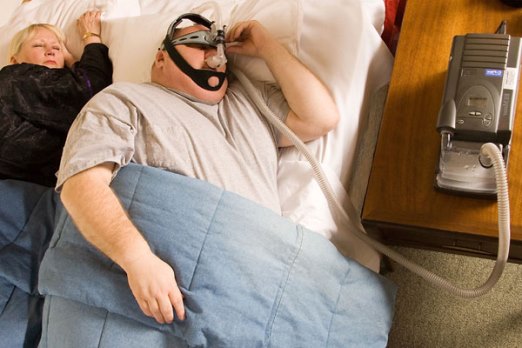
Excess fat deposits in the neck cause intermittent obstruction of the air passage during sleep when neck muscles are relaxed, leading to interrupted sleep. This results in daytime drowsiness and headache. With increasing obesity, sleep apnea can contribute to the development obesity hypoventilation syndrome and frank respiratory failure.
Gastro esophageal Reflux Disease (GERD)
Raised intra-abdominal pressure in obesity causes heartburn, acid regurgitation, chest pain, dysphagia and dyspepsia. Patients with these symptoms are associated with risk of developing Barrett’s esophagus and esophageal adenocarcinoma.
Depression
Repeated failure with dieting and exercise, disapproval from family and constant struggle against obesity puts immense mental strain, pushing the patient into depression.
Obesity & Infertility
Obesity can affect fertility by causing hormonal imbalances and problems with ovulation, particularly for obese women having first baby. Obesity is associated with poly cystic ovarian disease (PCOD); a common cause of infertility.
Cancer
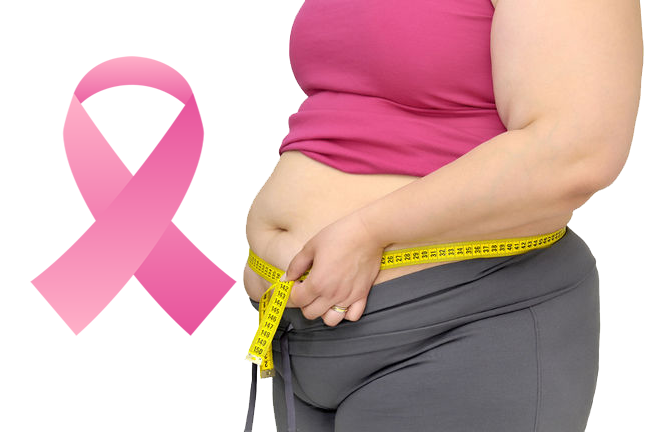
Excess fat in body can have harmful effects by producing hormone and growth factor that affects the way cell works. Insulin and leptin are all elevated in obese people and can promote growth of cancer cells.
Most common type of cancers associated with obesity are-:
- Breast cancer in women after menopause
- Bowel cancer
- Womb cancer
- Esophageal cancer
- Pancreatic cancer
- Kidney cancer
- Liver cancer
- Gall bladder, ovarian and aggressive prostate cancer
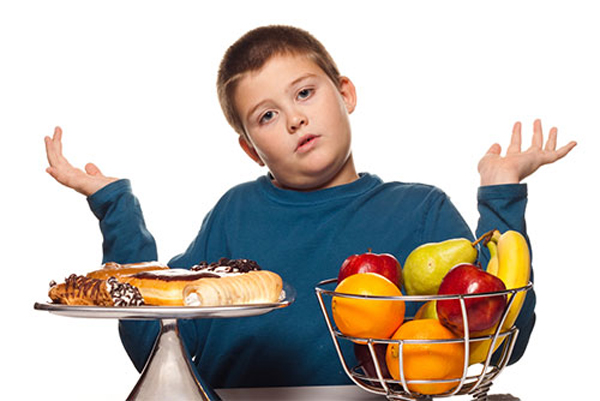
Childhood obesity
It is a medical condition that negatively affects the health and well being of children and adolescents. It occurs when a child is well above the normal weight for his or her age and height. Health risks involved with childhood obesity include
- High cholesterol and high blood pressure, both of which are risk factors for heart disease.
- Increased risk of type 2 diabetes
- Sleep apnea, and asthma
- Joint problems and musculoskeletal discomfort
- Fatty liver disease, gallstones, and gastro-esophageal reflux (i.e., heartburn)
Psychological risks involved
- Low self esteem
- Behavior and learning problems: Obesity in children leads to anxiety and poor social skills. It may cause overweight children to socially withdraw and may even affect their learning.
- Depression: Low self esteem children might go into depression and become emotionally flat.
Preventive measures for child hood obesity
Proactive measures should be taken at an early stage to prevent your child from hitting the morbid obesity and Co-morbidities
- Knowing the Body Mass Index (BMI) of your child and monitoring it periodically
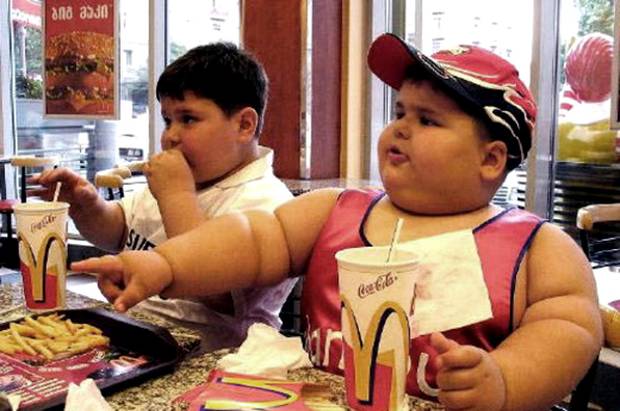
- Promote healthy eating habits for the entire family
- Low calorie and low fat food
- Green leafy Vegetables
- Fresh fruits
- Avoid fried and junk foods, sweetened and carbonated beverages
- 3 meals a day and avoid snacking in-between
- Encourage regular exercise or physical activities like outdoor games
- 30 minutes /day for 5 times a week

HOW TO lOOSE WEIGHT
NON-SURGICAL WEIGHT-LOSS MANAGEMENT
Medical weight-loss management at CODSILS includes therapeutic lifestyle changes (TLC).
The lifestyle changes are all about diet, exercise, behavior modification, evaluation and medication if required.

Diet
Dietician will help you achieving your desired goals by planning your daily diet intake that meets your nutritional and weight-loss needs which fits your lifestyle.
Exercise
Daily dose of physical activity at least 40-45min/days should be encouraged. Each patient will receive an exercise program that is customized to your needs and current fitness levels

Behavior modification
A healthy lifestyle promotes healthy behavior. It includes alteration of bad habits like excessive drinking and smoking. There should be balanced diet which must include increased fiber intake like fruits and vegetables, targeting on whole grains to increase daily soluble and insoluble fiber. Dietician will plan diet charts for every patient individually depending upon age, disease, eating habits, BMI etc. Our diet plan will include specials diets like DASH diet (for hypertensive patients), weight loss diets, pre and post-surgical diets.
Evaluation & Medications
You will have an evaluation for all obesity related diseases and your treatment will include continual monitoring of relevant data.

SURGICAL MANAGEMENT
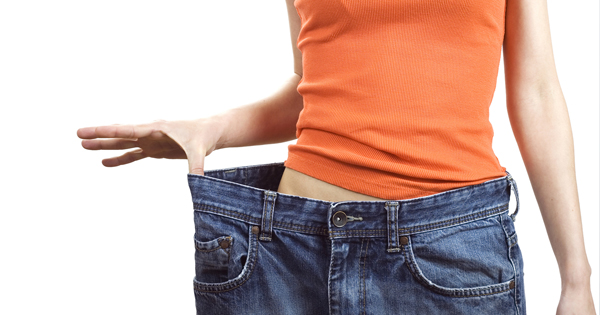
In reality, failure to lose weight with dieting, exercise or life style modification can lead to frustration, depression, loss of self-confidence, and in many cases serious health issues. Fortunately, for many in this situation, weight loss through bariatric surgery may be an option. Determining whether you may be a candidate for bariatric surgery is a process that requires serious discussions with your doctor and you’re your family.
BARIATRIC SURGERY
Weight Loss Simplified Excess weight affects life and prevents us from enjoying day to day activities….
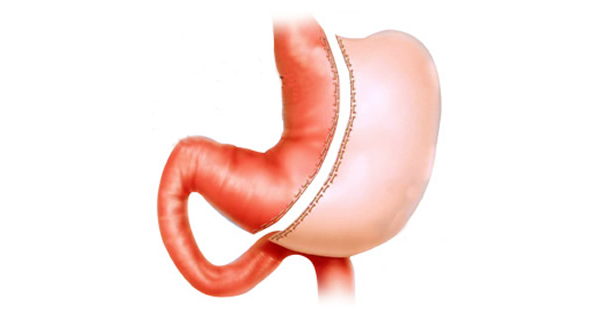
LAPAROSCOPIC SLEEVE GASTRECTOMY
A long, narrow tube created by reducing the size of stomach vertically. This leaves approximately 15%…
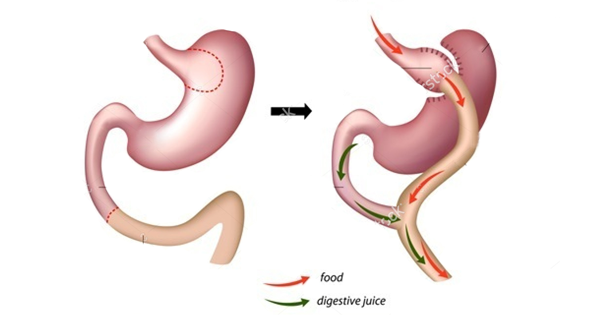
ROUX-EN-Y GASTRIC BYPASS
Combination of restrictive/mal-absorptive procedure that reduces the stomach to the size…
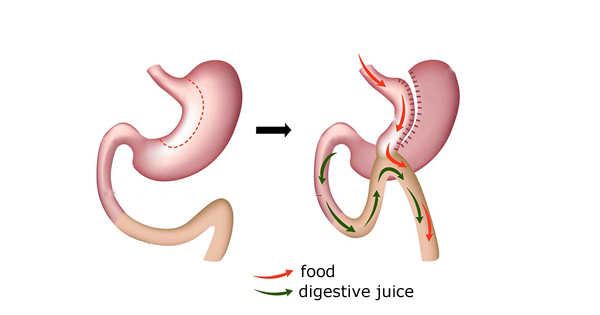
MINI GASTRIC BYPASS
It is also known as single anastomosis gastric bypass, in which a long gastric sleeve is created…
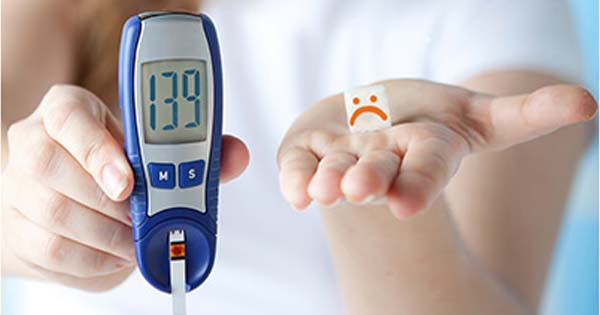
METABOLIC SURGERY
Weight Loss Simplified Excess weight affects life and prevents us from enjoying day to day activities….
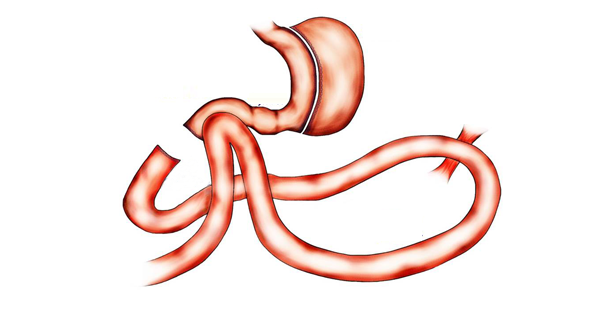
Loop Duodenojejunal Bypass With Sleeve Gastrectomy
A long, narrow tube created by reducing the size of stomach vertically. This leaves approximately 15%…
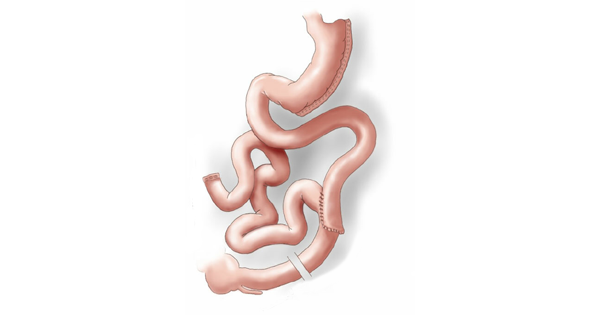
Sleeve Gastrectomy With Proximal Jejunal Bypass
Combination of restrictive/mal-absorptive procedure that reduces the stomach to the size…
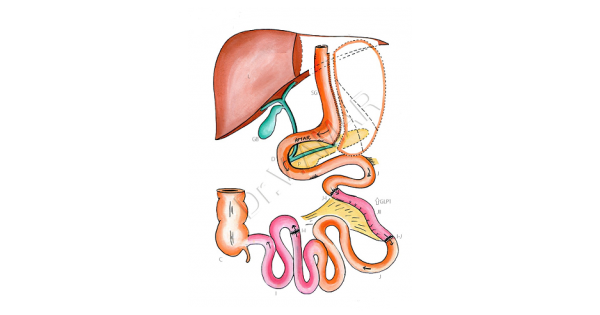
Ileal Interposition With Sleeve Gastrectomy
It is also known as single anastomosis gastric bypass, in which a long gastric sleeve is created…
Frequently Asked Questions

Is obesity a disease?
Yes. WHO and most medical bodies recognise obesity as a chronic, relapsing disease, not a lack of willpower. It changes hormones that control hunger and fullness, which is why weight often returns after dieting.
What BMI is considered obese for Indians?
For Asian Indians, a BMI of 25 kg/m² or more is obese, and 23–24.9 is overweight. These cut-offs are lower than the WHO international ones because Indians develop diabetes and heart disease at a lower body weight.
What waist size is unhealthy for Indians?
A waist of 90 cm (about 35.5 inches) or more in men, or 80 cm (about 31.5 inches) or more in women, means abdominal obesity. Measure at the level of the belly button after breathing out.
Can obesity cause infertility?
Yes. In women it disturbs ovulation and is closely linked to PCOS; in men it lowers testosterone and sperm quality. Losing 5–10% of body weight often restores regular periods and improves the chances of pregnancy.
How much weight should I lose to see health benefits?
Losing 5–10% of your current weight improves blood sugar, blood pressure and cholesterol. For a person weighing 100 kg, that is 5–10 kg.
Who is eligible for bariatric surgery in India?
Surgery is generally advised at a BMI of 35 or more, and considered from a BMI of 30 with diabetes or other obesity-related diseases. For Asians with uncontrolled type 2 diabetes, metabolic surgery may be considered from a BMI of 27.5. The final decision is made after a full medical evaluation.
Are weight-loss injections better than surgery?
They suit different people. GLP-1 injections can give 15–20% weight loss but usually need to be continued long term, and weight often returns after stopping. Surgery gives larger, longer-lasting weight loss for people with severe obesity.
Can obesity be treated without surgery?
Yes. Most patients start with a supervised diet, exercise and behaviour programme, and may add weight-loss medicines or a swallowable gastric balloon. Surgery is advised only when these are not enough or BMI is very high.
