



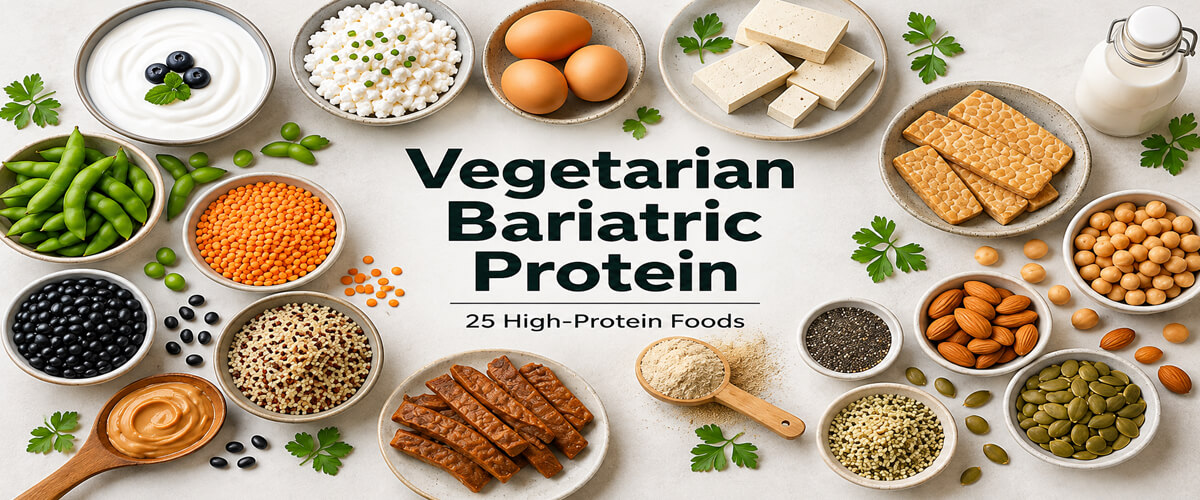
15 Oct Vegetarian Protein diet after Bariatric surgery in Punjab: 25 High-Protein Foods
Protein is the most important part of your diet after bariatric surgery. It drives weight loss, keeps your energy up and prevents muscle loss. And if you’re vegetarian, it can feel like everyone’s advice is basically, “Just eat chicken.” Cool. Not helpful.
This list helps vegetarian patients build a diet after bariatric surgery that hits their protein needs without living on protein powder alone.
Every bariatric program is a little different, and your stage matters (liquids, purees, soft foods, regular). If you’re not sure what’s allowed right now, follow your surgeon and dietitian’s plan first. If you’re a patient in India or nearby and want structured guidance, CODSILS (www.codsils.com) shares practical nutrition education and bariatric aftercare info, and you can also book a consult if you’re stuck.
Protein Basics for a Vegetarian Diet After Bariatric Surgery
Just to make this list actually useful.
- Prioritize protein first at meals. Then vegetables, then carbs if there’s room.
- Small stomach, high needs. You may need higher protein density
- Aim for soft, moist, and well chewed early on. Dry protein is the enemy.
- Track for a week at least once. Most people think they’re hitting protein.
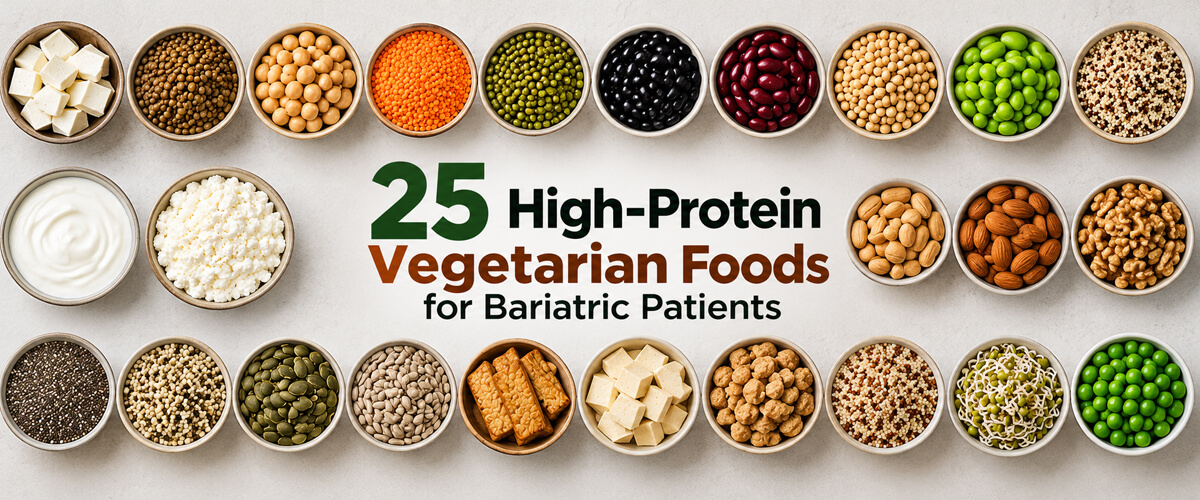
25 High-Protein Vegetarian Foods for Your Diet After Bariatric Surgery
I’m giving you typical protein amounts so you can compare foods quickly. Exact numbers vary by brand and prep.
1) Low-fat paneer (cottage cheese block)
Protein: ~18 to 25 g per 100 g
Paneer is a classic for a reason. It’s compact protein. For bariatric folks, keep it soft. Think crumbled paneer bhurji, steamed cubes in curry, or mashed into a spread. Avoid deep frying. Also, go easy on heavy gravy if reflux is an issue.
2) Tofu (firm or silken)
Protein: ~8 to 15 g per 100 g (depends on firmness)
Tofu is gentle and adaptable. Silken tofu works beautifully in the soft stage. Firm tofu can be sautéed lightly, added to soups, or blended into sauces.
3) Tempeh
Protein: ~18 to 20 g per 100 g
Tempeh is fermented soy, more “solid” and nutty than tofu. It’s dense, so portion sizes stay small. If you’re early post op, this might feel heavy. Later on, it’s a strong option.
4) Greek yogurt (plain, unsweetened
Protein: ~10 to 12 g per 100 g
One of the easiest wins. High protein, easy texture, and you can take it savory or sweet. Bariatric tip: start with small servings and watch lactose tolerance.
5) Skyr / high-protein yogurt
Protein: ~11 to 15 g per 100 g
If available, skyr is basically the “cheat code” version of yogurt. Thick, high protein. Just choose plain versions to avoid sugar spikes.
6) Low-fat milk (or lactose-free milk)
Protein: ~3 to 4 g per 100 ml
Milk alone won’t get you to your protein target, but it helps you stack protein through the day. If regular milk causes bloating, try lactose-free.
7) Soy milk (unsweetened)
Protein: ~6 to 8 g per 250 ml
Among plant milks, soy is the one that actually brings protein to the table. Choose unsweetened.
8) Whey protein isolate
Protein: ~20 to 27 g per scoop (varies)
Not a “food,” but it’s realistic. Especially early post op. Isolate is usually easier on the stomach than concentrate. Mix it thinner if thickness makes you nauseated.
9) Plant protein powder (pea, soy, blend)
Protein: ~18 to 25 g per scoop
If dairy doesn’t suit you, a good plant blend can work well. Look for higher protein, lower sugar, and ideally added digestive enzymes.
10) Eggs
Protein: ~6 g per egg
Eggs are one of the most bariatric-friendly proteins on the planet. Soft scrambled, egg drop soup, boiled and mashed with yogurt. Some patients get egg intolerance early on, so go slow.
11) Egg whites
Protein: ~3.5 g per egg white (or ~11 g per 100 g)
If whole eggs feel too rich, egg whites are lighter and pure protein. Great in omelets, bhurji style, or stirred into oats later.
12) Moong dal (yellow or green gram), cooked
Protein: ~7 g per 100 g cooked
Moong is usually the easiest dal post surgery. Make it thin, strain it early if needed, then progress to thicker textures. Moong dal chilla (thin, soft) can work later.
13) Masoor dal (red lentils), cooked
Protein: ~7 to 9 g per 100 g cooked
Red lentils cook soft and smooth. Great for soups. If gas is an issue, start with smaller portions and add hing (asafoetida).
14) Chana dal (split chickpeas), cooked
Protein: ~6 to 8 g per 100 g cooked
Heavier than moong, but doable later. Cook it very soft. A thick chana dal can feel “stuck” if you eat fast. So don’t.
15) Chickpeas (chana), cooked
Protein: ~8 to 9 g per 100 g cooked
High protein, but also higher fiber and can cause bloating early on. When you’re ready, hummus is often easier than whole chickpeas.
16) Rajma (kidney beans), cooked
Protein: ~8 to 9 g per 100 g cooked
Rajma is nutritious, but can be gassy and heavy. Make it very soft. Mash it. Start with a couple spoonfuls, not a bowl.
17) Black beans, cooked
Protein: ~8 to 9 g per 100 g cooked
Same story as rajma. Great later, tricky early. Mash and portion carefully.
18) Edamame (green soybeans)
Protein: ~11 g per 100 g
Edamame is high protein and actually tastes good with minimal seasoning. Chew well. Start slow. If your program restricts legumes early, wait.
19) Soy chunks / soya nuggets (cooked)
Protein: ~15 to 20 g per 50 g dry (varies a lot when cooked)
This one is protein dense and popular in India. But it can be chewy and dry, which bariatric stomachs hate. If you use it, cook until very soft and use in gravies. No rubbery nuggets, please.
20) Quinoa, cooked
Protein: ~4 g per 100 g cooked
Quinoa isn’t a “protein food” like tofu, but it beats rice and is usually better tolerated than many whole grains. Use it as a small base, not the main event.
21) Oats (rolled), cooked
Protein: ~5 g per 100 g cooked (varies by thickness)
Oats are comforting and often tolerated well. To make it bariatric friendly, cook with milk or soy milk and add a scoop of protein powder if your plan allows. Otherwise it’s mostly carbs.
22) Peanut powder (defatted) or peanut butter (small portions)
Protein: Peanut butter ~7 to 8 g per 2 tbsp
Fats add up fast after surgery, so peanut butter is more of a “careful add.” Peanut powder is easier to control. Mix into yogurt or smoothies.
23) Almonds (or almond flour), very small portion
Protein: ~6 g per 28 g (small handful)
Nuts are nutrient dense but also calorie dense and can be hard to chew early. Later on, finely chopped or as almond flour in a soft recipe works better.
24) Chia seeds (as chia pudding)
Protein: ~4 to 5 g per 2 tbsp
Chia brings fiber and some protein, but don’t overhype it. Still, it’s a nice add to yogurt. Hydrate it properly so it doesn’t feel gritty.
25) High-protein cheese (low-fat options)
Protein: ~6 to 10 g per 30 g (varies by type)
A small amount can bump protein, but watch fat and salt. Melted cheese can also trigger reflux for some people. Test carefully.
How to actually use this protein list
A vegetarian bariatric day can work if you build “protein anchors.” Meaning. You choose 3 to 5 protein hits and let everything else revolve around that.
Here are a few simple combos that usually make sense:
- Breakfast: Greek yogurt + (optional) protein powder stirred in
- Mid morning: Milk or soy milk
- Lunch: Soft tofu/paneer + a few spoonfuls of moong dal
- Snack: Protein shake or skyr
- Dinner: Lentil soup + scrambled egg or paneer (if allowed)
Not perfect, but realistic. And repetition is not a failure. It’s how most people hit goals post op.
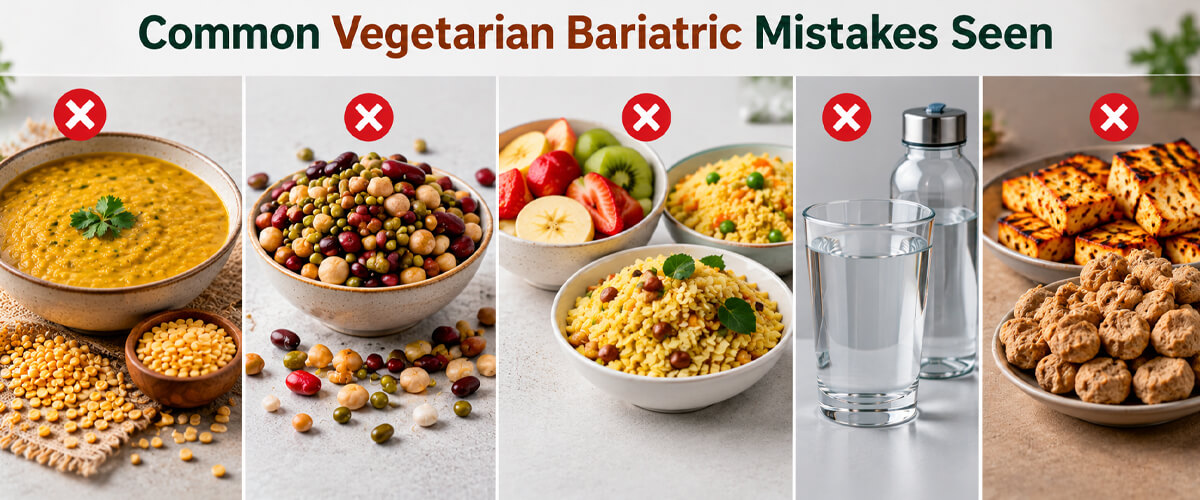
Common Mistakes in a Vegetarian Diet After Bariatric Surgery
Relying on dal only. Dal is great, but you might need a lot of volume to hit targets.
- Going too high fiber too early. Beans are healthy, but early post op they can be painful.
- Choosing “healthy” but low protein foods. Fruit, khichdi, upma, poha. They’re not bad foods. They just don’t solve the protein problem.
- Not drinking enough. Hydration affects everything, including constipation and fatigue.
- Eating protein too dry. Paneer tikka that’s dry? Soy nuggets that are chewy? This is how you end up uncomfortable and then you avoid protein altogether.
How Much Protein Do You Need in Your Diet After Bariatric Surgery?
Your exact target should come from your bariatric team, because surgery type, body weight, and stage matter. Many programs land somewhere around 60 to 80 g/day, sometimes higher.
If you’re consistently short and feeling tired, losing hair, or struggling with muscle weakness, don’t just push through it. Fix the plan.
If you want a more personalized roadmap for your diet after bariatric surgery, or you’re considering bariatric surgery and want clarity on what life will look like after, CODSILS (www.codsils.com) is a good starting point to explore patient guidance and book a consultation with the clinic team.
FAQs (Frequently Asked Questions)
01 – Why is protein so important after bariatric surgery, especially for vegetarians?
After bariatric surgery, protein becomes essential because your stomach size is reduced, but your body’s protein needs remain high. For vegetarians, this means prioritizing protein-rich foods that fit into small portions and are easy to digest, helping to meet your nutritional goals without relying solely on protein powders.
02 – What are some high-protein vegetarian foods suitable for bariatric patients?
Some excellent high-protein vegetarian foods for bariatric patients include low-fat paneer (18-25g protein per 100g), tofu (8-15g per 100g), tempeh (18-20g per 100g), Greek yogurt (10-12g per 100g), skyr or high-protein yogurt (11-15g per 100g), and moong dal (7g per 100g cooked).
03 – How should protein be prioritized in your diet after bariatric surgery?
Protein should be prioritized first at meals, followed by vegetables, and then carbohydrates if there is room. This approach ensures you meet your higher protein density needs with a smaller stomach capacity, supporting healing and muscle maintenance post-surgery.
04 – Are dairy-based proteins like whey or Greek yogurt recommended for vegetarians post-bariatric surgery?
Yes, dairy-based proteins such as whey protein isolate (20-27g per scoop) and Greek yogurt (10-12g per 100g) are great options for lacto-vegetarians after bariatric surgery. They offer high-quality protein that’s generally easy to digest when consumed in appropriate small servings.
05 – What tips help vegetarians manage protein intake during different stages post-bariatric surgery?
Early on, focus on soft, moist, and well-chewed protein sources like silken tofu or strained dals. Avoid dry or heavy proteins initially. Track your protein intake for at least a week to ensure you’re meeting goals. Always follow your surgeon and dietitian’s guidelines regarding allowed foods during liquid, puree, soft food, and regular stages.
06 – Where can bariatric patients in India find structured guidance on a vegetarian diet after bariatric surgery?
Patients in India seeking structured guidance can visit CODSILS at www.codsils.com. They offer practical nutrition education and bariatric aftercare information tailored to vegetarian bariatric patients. You can also book consultations if you need personalized support or are stuck with dietary planning.
