


Diabetes Surgery in Amritsar – Dr Amit Garg
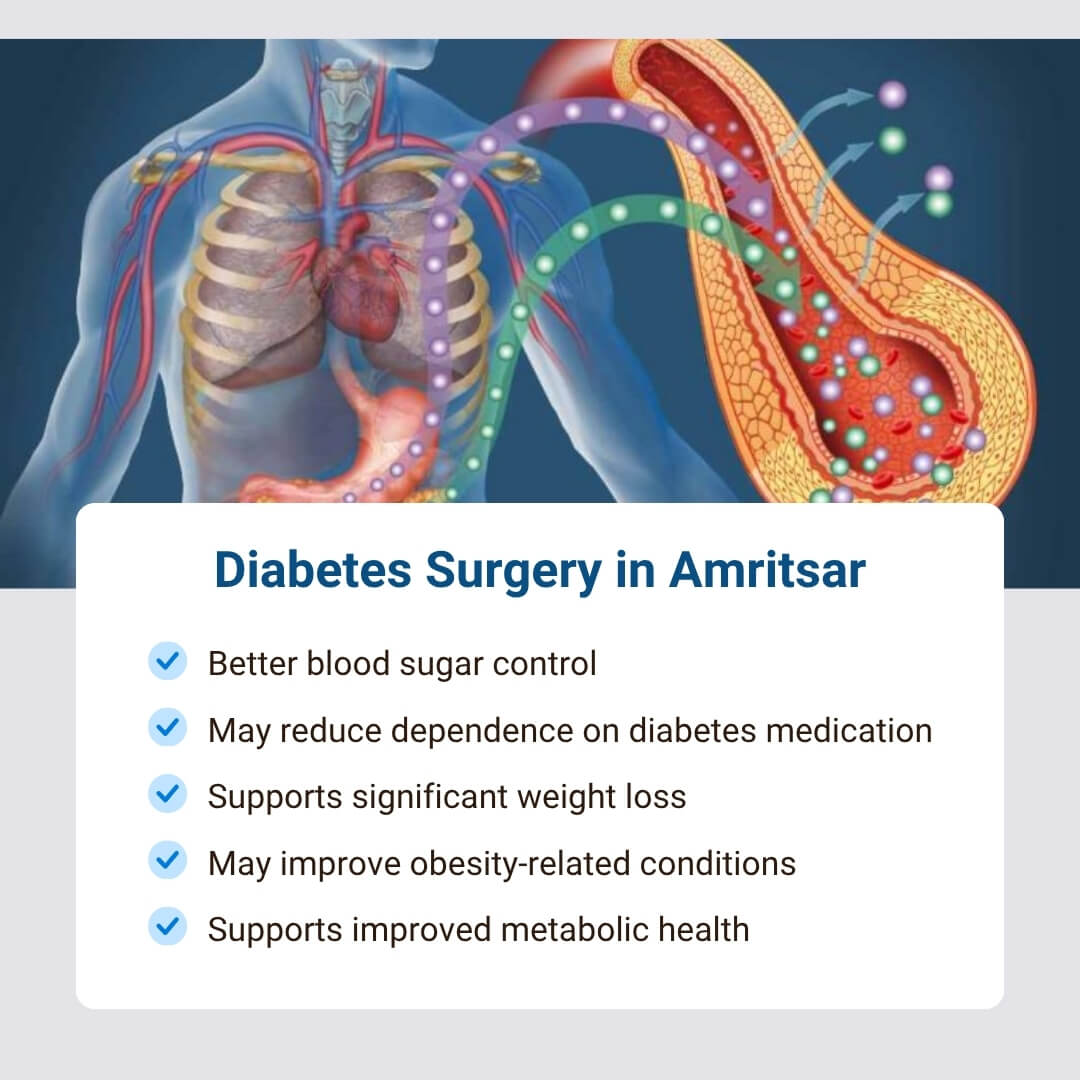
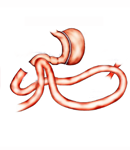
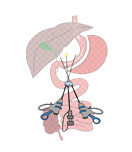
When people say “diabetes surgery”, they are usually not talking about a surgery on the pancreas. They are referring to metabolic surgery, which involves an operation on the stomach and digestive tract that can dramatically improve type 2 diabetes.
Keep Reading
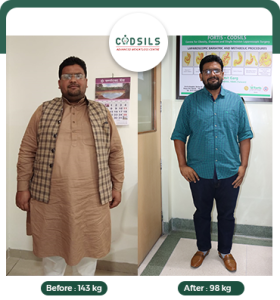
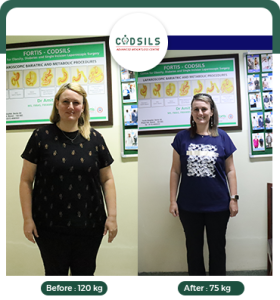
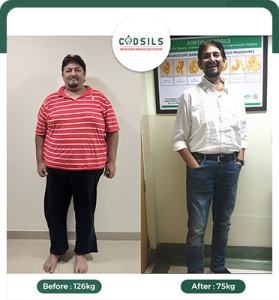
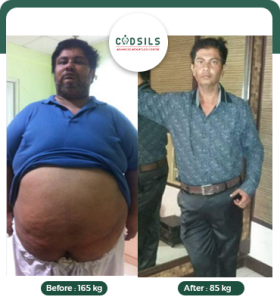
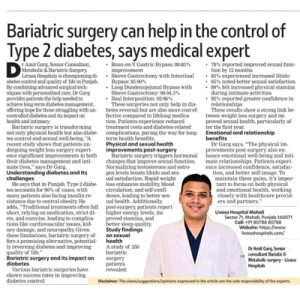
The results can be surprising. Many patients experience a significant drop in blood sugar levels, and some even reduce or stop multiple diabetes medications under medical supervision. However, it is important to note that these outcomes are not guaranteed and can vary from person to person.
Several factors influence the success of this surgery, including:
- The duration of your type 2 diabetes
- Whether you are currently on insulin
- The extent of insulin production by your pancreas – C Peptide levels
- Your weight and overall metabolic health
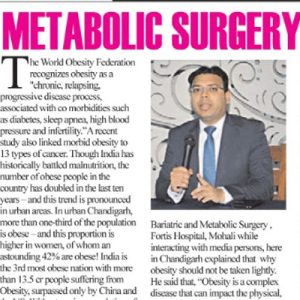
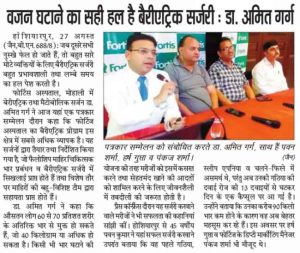
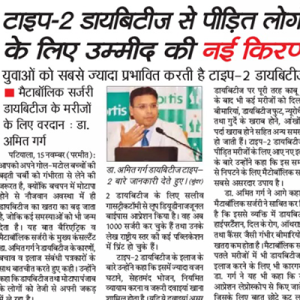
This article aims to provide insights into diabetes surgery in Amritsar. The real advantage of this procedure is when it is performed with a coordinated medical and surgical approach. Under the expertise of Dr Amit Garg, patients typically seek a comprehensive plan that goes beyond a one-time operation.
You may come across online searches for “Dr Amit Garg best diabetes surgeon in India”. While this is a significant claim, what truly matters is simpler: assessing experience, outcomes, safety, and the seriousness of follow-up care. These factors play a crucial role in achieving long-term positive changes.
In Amritsar, bariatric surgery options are available for those struggling with obesity, which often accompanies type 2 diabetes. Furthermore, for individuals looking into mini gastric bypass surgery, Dr Amit Garg offers specialized services.
For more information on obesity treatment or to explore the possibilities of surgery for diabetes, consider consulting with Dr Amit Garg’s team for a thorough evaluation and personalized treatment plan.
Quick Diabetes Basics
Diabetes, in plain language, is when your blood sugar stays high for too long.
This happens mainly due to:
- Insulin resistance (your body does not respond well to insulin), and or
- Low insulin production (your pancreas cannot make enough insulin)
Types of diabetes, quickly
- Type 2 diabetes: most common. Usually insulin resistance first, then insulin production may drop over time. In some cases, metabolic surgery can be a viable option to help manage this condition.
- Type 1 diabetes: the body stops making insulin. It is insulin dependent and usually not treated with metabolic surgery.
- Gestational diabetes: diabetes during pregnancy.
- Prediabetes: sugars are higher than normal, but not yet in the diabetes range. A warning stage, but a valuable chance to reverse course.
Why high sugar is a big deal
Insulin helps move sugar from your blood into your cells for energy. When sugar stays high, it quietly damages blood vessels and nerves over time. That is why diabetes is linked to issues with:
- Eyes
- Kidneys
- Nerves (especially feet)
- Heart and brain
Common signs of high blood sugar
People often ignore these until they get louder:
- Excessive thirst
- Frequent urination
- Fatigue, low energy
- Blurry vision
- Slow wound healing
- Frequent infections
When to See an Endocrinologist
Before surgery even enters the conversation, most patients should first have an endocrinologist involved. An endocrinologist focuses on hormone related diseases, and diabetes is a major one.
In diabetes care, an endocrinologist typically helps with:
- Confirming the diagnosis and type of diabetes
- Optimizing medicines (oral drugs and injectables)
- Starting and adjusting insulin safely
- Screening for complications and ordering the right referrals
While surgical options like bariatric surgery for type 2 diabetes reversal or other metabolic surgeries exist as newer paradigms in treatment, consulting with an endocrinologist remains crucial for managing the condition effectively.
How a combined team works (the ideal version)
For metabolic surgery patients, it is rarely just “surgeon only”. It is usually:
- Endocrinologist
- Metabolic Surgeon
- Dietitian
- And referrals as needed, like ophthalmology for eyes, neurology for nerves, nephrology for kidneys
The goal is to confirm one thing first: is surgery appropriate, or should medical therapy be intensified first? Sometimes better meds and better monitoring solve a lot. Sometimes they do not. You want clarity, not pressure.