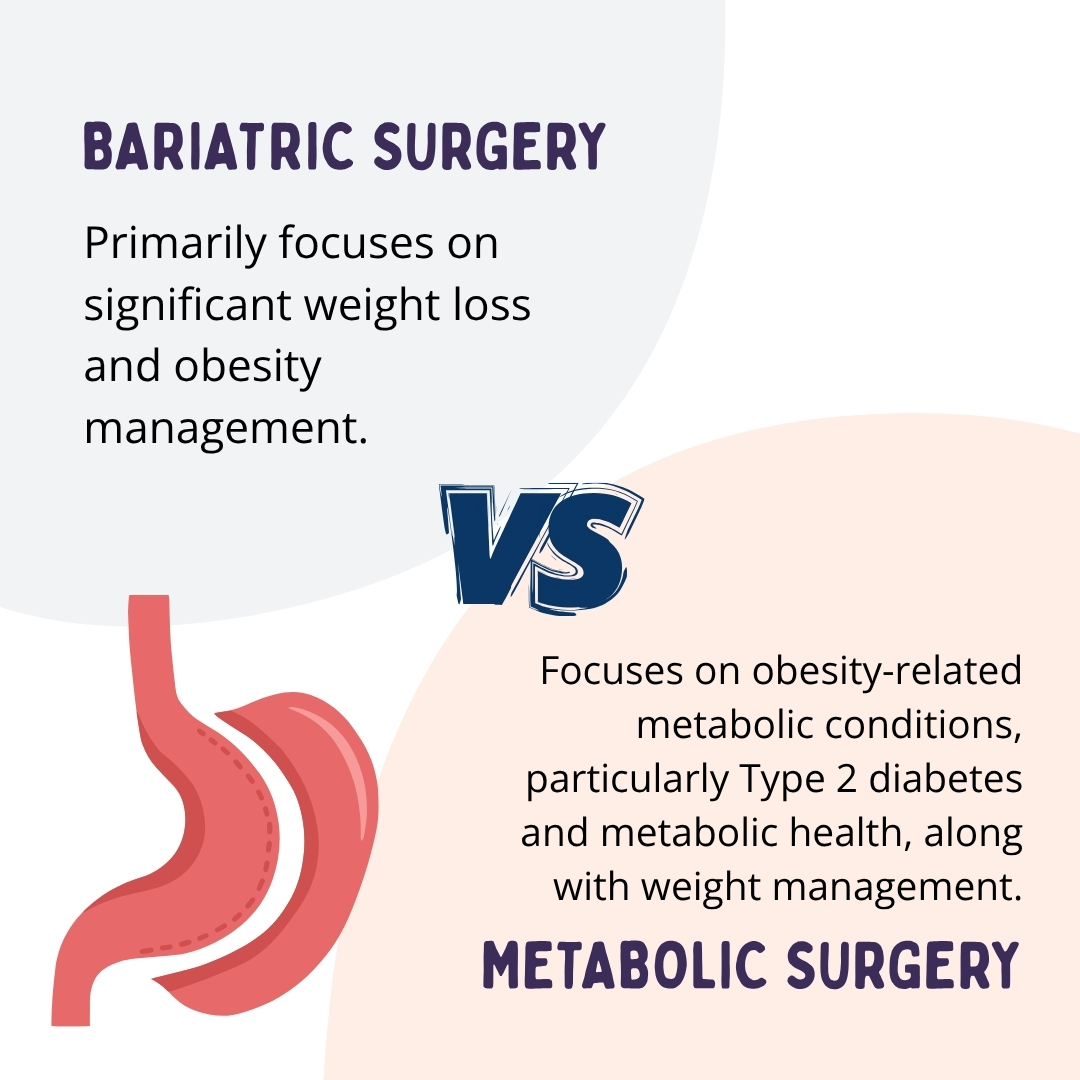
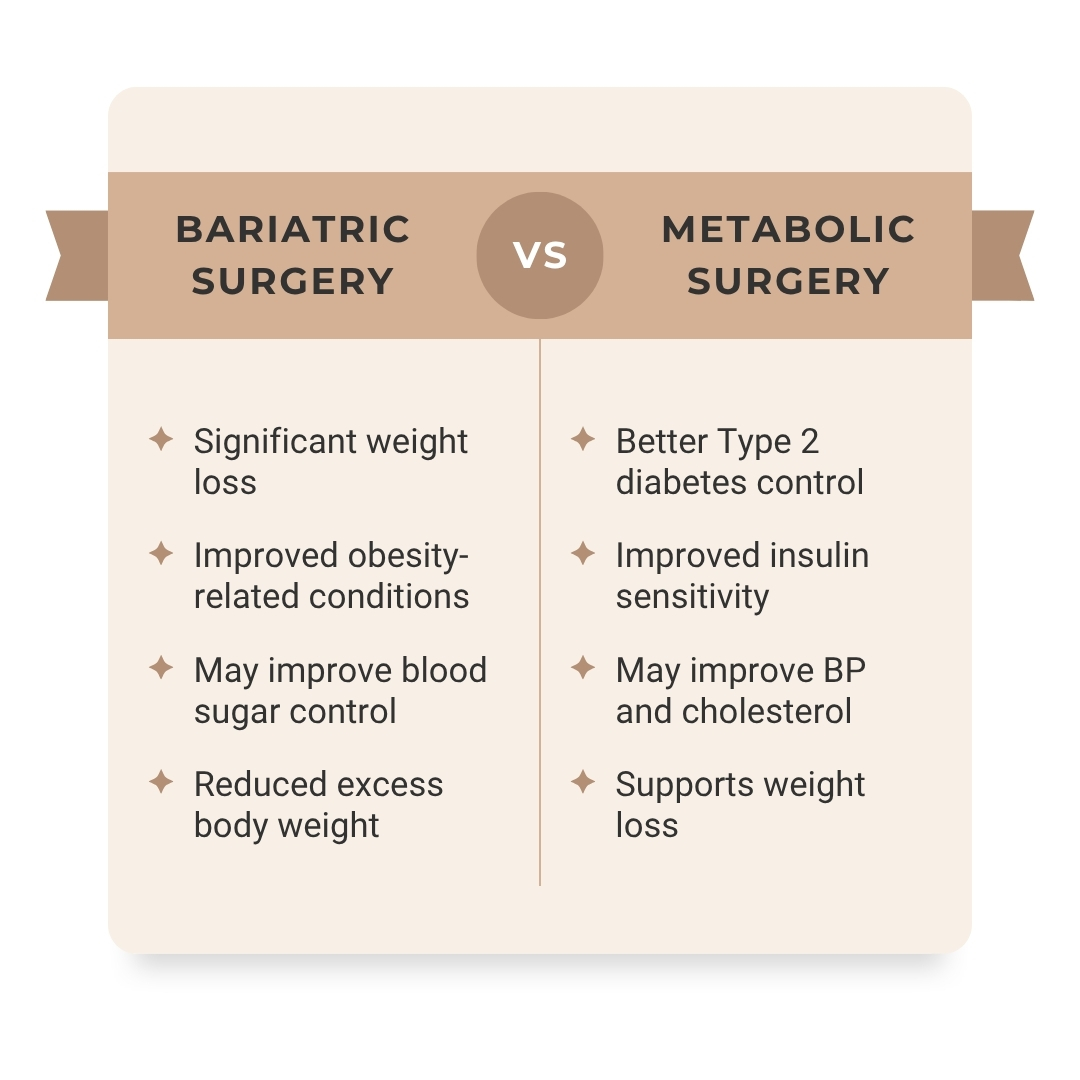
Most “metabolic” operations are actually standard bariatric operations, just performed with metabolic goals. If you are searching for a bariatric center in Punjab while dealing with conditions like diabetes or fatty liver, you’re likely considering two common surgeries that overlap in purpose.
Two procedures come up the most:
- Gastric sleeve surgery (Sleeve Gastrectomy)
- Roux en Y gastric bypass (Gastric Bypass)
These surgeries are often part of a comprehensive treatment plan that includes addressing obesity and its related metabolic issues, as highlighted in this article about metabolic surgery as an effective treatment for obesity and type 2 diabetes.
Gastric sleeve surgery (Sleeve Gastrectomy) Punjab
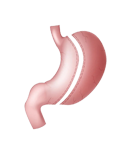
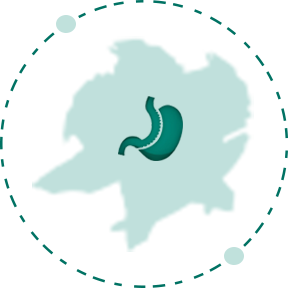
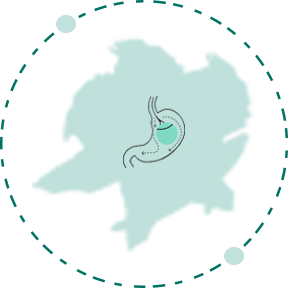
In sleeve gastrectomy, a large portion of the stomach is removed, leaving behind a narrow tube or sleeve. This results in a significantly smaller stomach.
Why it works:
- Restriction: you feel full early, meal size reduces naturally.
- Hormone effect: the hunger hormone ghrelin reduces significantly in many patients, so appetite drops. That constant craving type hunger often quiets down.
Who it may fit best:
- People with higher BMI who want a strong weight-loss tool
- Patients who prefer a more “straightforward” anatomy compared to bypass
- Patients who can commit to follow-up, diet, protein intake, and vitamins
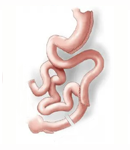
Diabetes benefit? Yes, many patients see good improvement. But in general, for long-standing diabetes, severe insulin requirement, or higher diabetes burden, sleeve may have less remission power compared to bypass. For patients with BMI less than 35 or long standing diabetes, sleeve plus bypass is a powerful tool and bypass length is added according to C peptide levels to have enhanced incretin effect.
Gastric bypass surgery (Roux-en-Y gastric bypass) Punjab
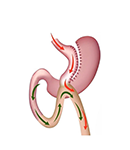
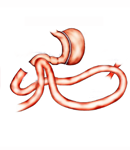
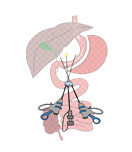
The Roux en Y gastric bypass involves creating a small stomach pouch, and then rerouting part of the small intestine so food bypasses the first section of the intestine. In essence: smaller stomach, plus a new route.
Why it’s often called “more metabolic”: Because bypass tends to produce stronger hormonal and metabolic changes, leading to higher diabetes remission rates in suitable patients, particularly when diabetes duration is shorter and insulin reserve is still decent as highlighted in this article about metabolic surgery.
Who it may fit best:
- Patients with significant acid reflux (bypass can help reflux, sleeve may worsen it in some)
- Patients with higher diabetes burden, uncontrolled sugars, multiple medicines
- Patients where a stronger metabolic effect is desired
However, it comes with responsibility. Gastric bypass typically requires lifelong supplements, regular blood tests, and structured follow-up. Iron, B12, calcium, vitamin D. This is not optional. It’s part of the deal.